

A year and a half after the late-night meeting in the parking lot of the Kirya military headquarters in Tel Aviv, the State Attorney’s Office announced that Tzachi Braverman, formerly Prime Minister Benjamin Netanyahu’s chief of staff, will be indicted pending a hearing.
According to the notice sent to Braverman’s attorneys, Attorney General Gali Baharav-Miara and State Attorney Amit Aisman said they are considering charging him with fraud, breach of trust and obstruction of justice — offenses that allegedly carry moral turpitude. Braverman had been slated to serve as Israel’s next ambassador to Britain, but because of his suspension and the expected indictment, the appointment will not go ahead.
The prosecution said that Braverman allegedly learned in October 2024, in the course of his duties, that a covert investigation was underway into the transfer of raw intelligence information classified as top secret and restricted to a small circle of authorized officials, obtained through a classified intelligence method. The information was passed to the German newspaper Bild, which published a significant portion of it and partial quotes from its contents.
Shortly after Braverman learned of the investigation, he asked Eli Feldstein, who served as a media adviser to the prime minister, to meet him urgently at the Kirya base in Tel Aviv. The two met late at night in Feldstein’s car in the Kirya parking lot. Braverman read Feldstein names written on a piece of paper, including that of noncommissioned officer Ari Rosenfeld, and asked whether he knew any of them. He also told him an investigation was underway and asked: “Is this connected to you? Is this connected to us? Because if so, I can shut it down.” Feldstein answered no, and the two parted ways.
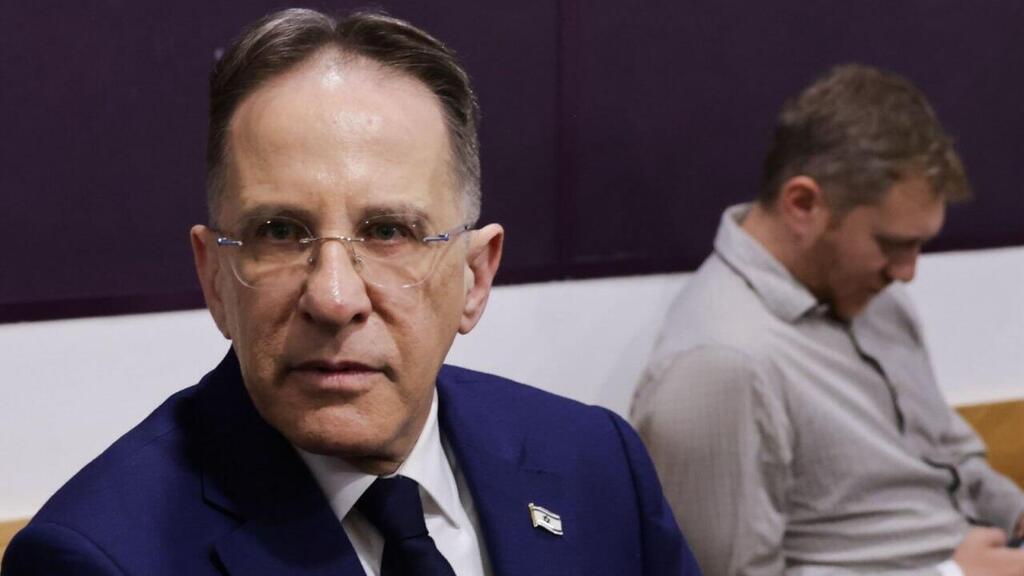
Tzachi Braverman arrives for a court hearing


The investigation later became public with the arrests of Feldstein and Rosenfeld, and an indictment was filed against them. Rosenfeld is accused of passing the secret information to Feldstein, while Feldstein is accused of transferring it to Bild for publication together with others.
Braverman was arrested early one morning in January at his home in Ness Ziona. At the end of his interrogation, he was released to house arrest and placed under severe restrictions, including a ban on leaving the country, a ban on contacting officials in the Prime Minister’s Office, including Netanyahu, and an order barring him from the Prime Minister’s Office and the Kirya.
At first, Lahav 433 investigators believed Braverman’s information about the classified intelligence leak investigation had come from the IDF, where the Information Security Department had opened an inquiry into the leak. That line of investigation brought former IDF chief of staff Herzi Halevi and Military Intelligence chief Maj. Gen. Shlomi Binder to give open testimony.
A senior official in Halevi’s office, who now holds a senior intelligence post, was questioned under caution in the case. About three weeks later, Lahav investigators concluded that Braverman had not learned of the investigation from IDF officials, and the name of the senior official in the former chief of staff’s office was cleared of suspicion.
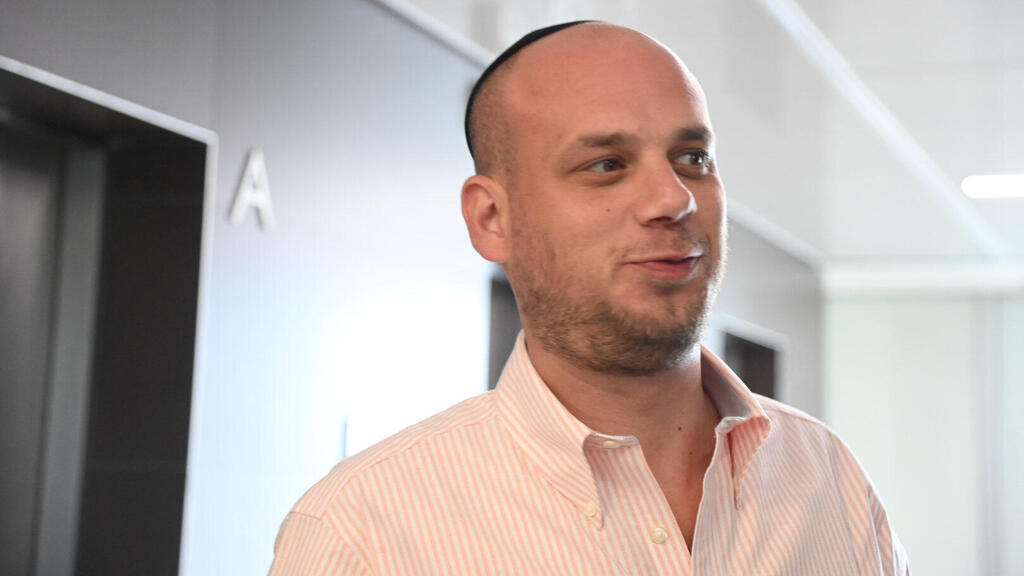
Braverman met with Eli Feldstein in a parking lot under the Kirya defense headquarters in Tel Aviv
(Photo: Yair Sagi)
Feldstein, the figure who set the affair in motion, revealed in an interview with Kan 11’s “Yihye Tov” the urgent late-night phone call he received from Braverman, telling him to come immediately to a meeting on level minus four of the Kirya parking lot in Tel Aviv. Feldstein described the “obstruction meeting,” in which Braverman deposited both of their mobile phones with Mansour, and the two sat together in the car.
There, according to Feldstein, Braverman said there was an investigation into a leak to Bild, showed him a note with six names and asked whether he knew them. Feldstein claimed Braverman said of the investigation: “I can shut it down.”
About three weeks after Feldstein’s remarks in the television interview, Braverman was arrested on suspicion of obstruction. During questioning, Braverman did not deny that the late-night meeting had taken place, but said he did not really remember its contents. Mansour was a witness to the meeting, but did not hear the conversation, and police therefore dropped him from the case.
Feldstein, beyond one name or at most two, claimed he did not remember the names shown to him on the note. At this stage, police are expected to answer the question of whether, beyond the meeting with Braverman, he also took active steps to obstruct the investigation.