

Iraq’s Iran-backed militias will have until June 30, 2027, to give up their weapons and cease operating as independent armed groups under an ambitious plan laid out by Prime Minister Ali al-Zaidi, The New York Times reported.
Al-Zaidi told the Times that Baghdad intends to begin with a 90-day period in which the militias would halt attacks and receive assurances that they would not be targeted by U.S. forces. Once that period ends, the factions would begin handing over their weapons, with the process completed by the end of June.
“This is not something that is optional. It is a necessity,” al-Zaidi said in his first interview with foreign media since taking office. “Others who spoke of this then backtracked. They yielded to pressure or to other concerns. For me, this issue, along with that of corruption, is a matter of honor.”
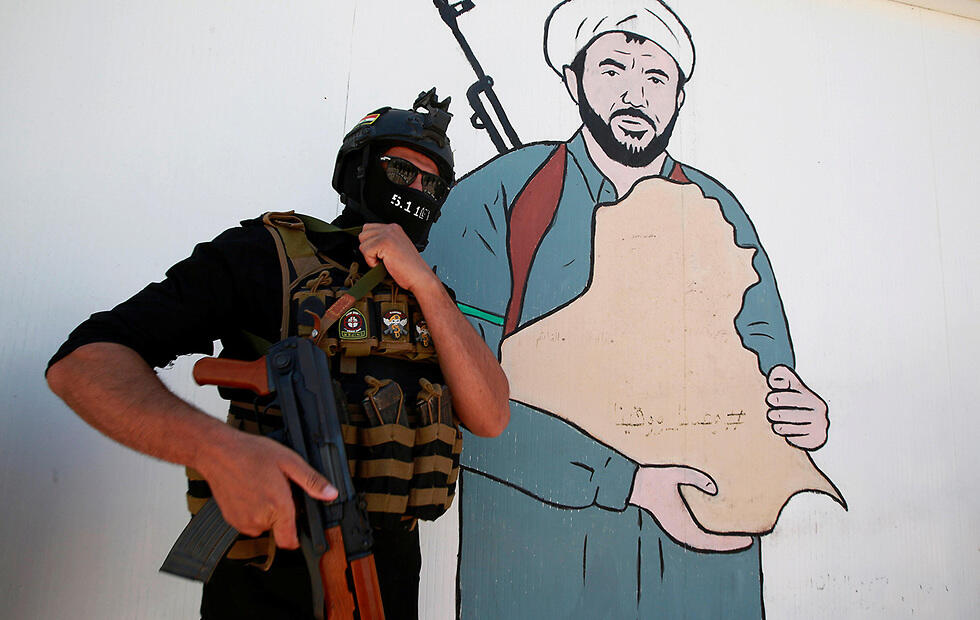
The plan goes beyond simply collecting weapons. Al-Zaidi said the government wants the militias to cease existing as independent organizations, with individual fighters instead permitted to join Iraq’s state-recognized Popular Mobilization Forces.
“They will join the Popular Mobilization Forces as individuals and integrate into them,” he told the Times. Armed groups continuing to operate under their militia names after the deadline, he said, “will be deemed outlaws.”
The proposal represents the latest attempt by an Iraqi government to rein in powerful armed factions, many of which have close ties to Tehran and have built significant political and economic influence alongside their military strength. Previous governments have repeatedly struggled to bring such groups fully under state control. Several of the most powerful factions have resisted the current disarmament effort as well.
Al-Zaidi initially announced that the militias would be disarmed by Sept. 30, the date set for the remaining U.S. forces to withdraw from Iraq. The factions rejected that timetable, prompting Baghdad to shift toward a negotiated process. A government committee is now discussing the terms with militia leaders.
Al-Zaidi said the agreement would be formally announced on Sept. 30. The militias, however, are pushing for more time, seeking until the end of 2027 rather than June to complete the process, according to the Times.
The stakes extend well beyond Iraq’s internal security.
Washington has been pressing Baghdad to curb the power of Iran-aligned armed factions, while Tehran has sought to preserve its influence over groups that have become increasingly valuable during the war with the United States. Some hard-line militias, including Kataib Hezbollah and Harakat al-Nujaba, have continued to reject demands that they surrender their weapons.
The groups argue that they need their weapons as long as foreign military forces remain on Iraqi soil. They have pointed not only to U.S. forces but also to the presence of Turkish troops in northern Iraq and, according to the Times, Israeli operations from Iraqi territory.
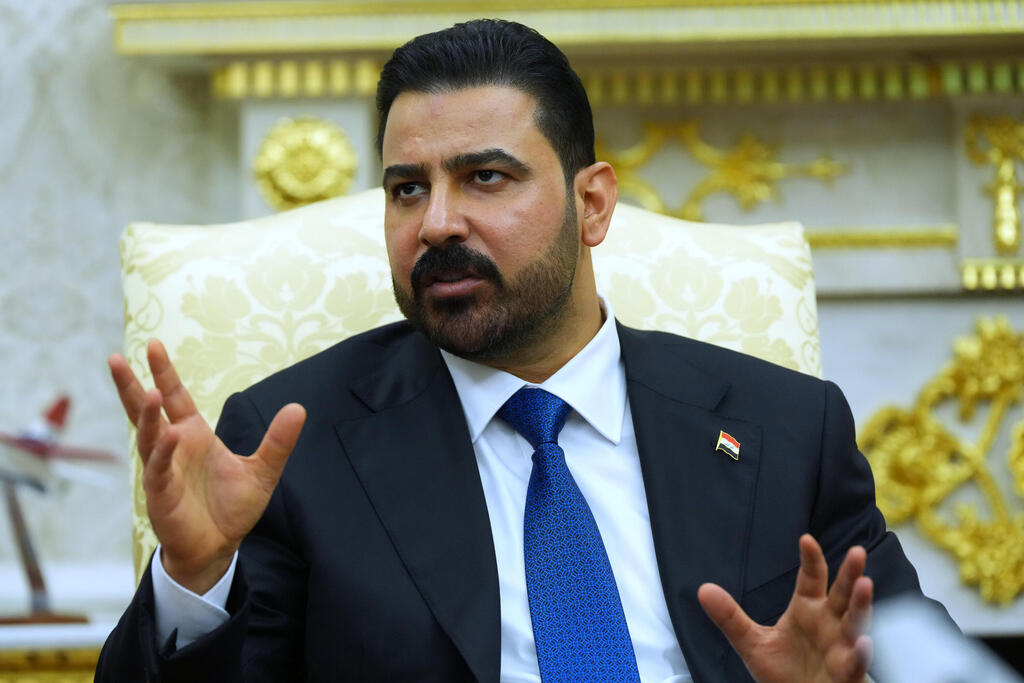
Iraqi Prime Minister Ali al-Zaidi
(Photo: AP Photo/Julia Demaree Nikhinson)
Al-Zaidi said his government is therefore also trying to secure a Turkish withdrawal. Ankara maintains forces in northern Iraq to fight Kurdish militants and has linked their departure to the removal of Kurdish armed groups and bases in the region.
But regional diplomats and Iraqi security officials told the Times that dismantling the militias while the wider regional war continues could prove extraordinarily difficult. One senior Iraqi security official said the plan was unlikely to succeed without a peace agreement between Washington and Tehran.
The disarmament drive is also closely tied to Iraq’s deepening economic crisis.
Al-Zaidi told the Times that Iraq has lost about 60% of its monthly oil export revenue because the war has severely restricted shipping through the Strait of Hormuz, estimating the country’s losses at roughly $60 billion since the conflict began. Iraq depends overwhelmingly on oil exports for government revenue, making disruption to the Gulf shipping route particularly damaging.
Despite Baghdad’s close relationship with Tehran, al-Zaidi said Iran has refused to allow Iraqi tankers through the strait.
“We spoke at length. The decision emerging from Iran is firm,” he said. “Their goal is to drive up global oil prices. This is not about being close to them or not. Regardless, they want to create pressure.”
The crisis has pushed Iraq to look for alternative export routes. Al-Zaidi said Baghdad is seeking to expand oil shipments through Turkey and has proposed new pipelines that could eventually carry Iraqi crude directly to Europe.
For the prime minister, those economic ambitions depend on Baghdad demonstrating that the state, rather than competing armed factions, controls Iraq’s security.
“Arms have to be confined first so you can build a solid economy,” al-Zaidi told the Times.
“We wish to build bridges and economic ties between Iraq and the countries of the world,” he added. “Under this government, Iraq will be a meeting point, not a point of hostility.”