


The member states of the International Criminal Court (ICC) in The Hague will convene tomorrow at the U.N. headquarters in New York for a dramatic vote on the removal of Chief Prosecutor Karim Khan, following serious allegations of sexual misconduct. If approved, it would be the first time a chief prosecutor of the court has been removed from office.
The vote will be held by secret ballot, and a majority of 63 out of the 125 states party to the Rome Statute is required to approve Khan’s removal. The process will take place after the court’s Presidency recommended removing Khan following the findings of an internal investigation, which concluded that he engaged in “serious misconduct.”
Gallery
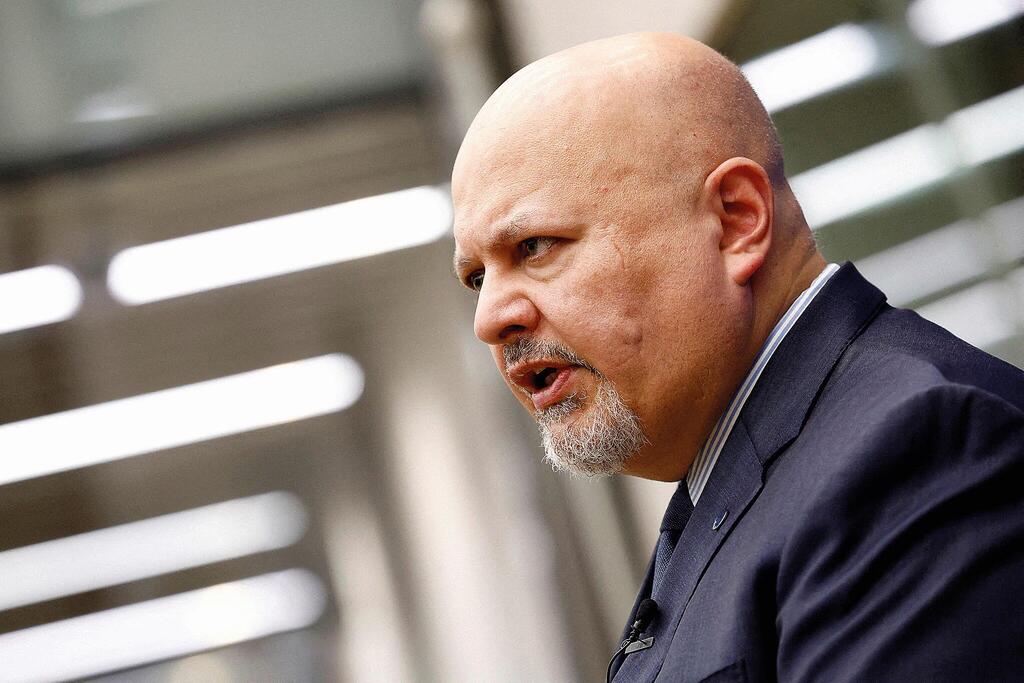
The Hague will convene tomorrow at the U.N. headquarters in New York for a dramatic vote on the removal of Chief Prosecutor Karim Khan
(Photo: Piroschka Van De Wouw, Reuters)
Khan, 56, denies all allegations against him. His lawyers claim that no improper sexual contact took place and that the proceedings against him have been plagued by legal flaws.
According to sources familiar with the matter, 44 countries have already decided with certainty to vote in favor of Khan’s removal, but he is exerting behind-the-scenes pressure in an effort to block the move. Kenya and Senegal are among those supporting him. Khan previously represented Kenyan President William Ruto and promoted prosecutors from Senegal at the ICC.
The internal crisis at the court is unfolding at an especially sensitive time, as the Trump administration intensifies its campaign against the ICC. Last week, Washington announced a renewed diplomatic effort aimed at limiting the court’s power, arguing that it infringes on U.S. sovereignty. American officials have also made clear that “all diplomatic options are on the table” after sanctions were already imposed on 11 senior court officials.
Legal experts warn that the affair is severely damaging the court’s credibility at a time when it is facing unprecedented pressure.
“The court is already in a precarious state. The Khan situation is a separate but very significant part of the overall perception of the court's credibility,” Mark Ellis, executive director of the International Bar Association, told Reuters.
'Trust in Khan has been significantly eroded within the court'
At the same time, a fierce debate is underway among legal experts over the nature of the vote. An article published by former senior ICC officials argued that member states are not being asked to determine whether Khan is criminally guilty, but rather whether he remains fit to lead such a sensitive international institution. According to the authors, the decision is institutional in nature and resembles an impeachment process rather than a criminal trial.

Sarah, the complainant against the chief prosecutor
The authors argue that even if flaws occurred in the investigation process, that does not exempt countries from deciding whether Khan is suitable to remain in office. They emphasize that since the allegations emerged, Khan has been absent from his role for more than 14 months, was also suspended by the Bar Standards Board in England and Wales and that trust in him within the court has been significantly eroded.
The article also rejects claims that the allegations against Khan were intended to undermine the court following his requests for arrest warrants against Israeli officials. According to the authors, there is no evidence linking the proceedings against Israel to the employee’s complaint against Khan, and they warn against conflating political opposition to the court with an investigation into sexual harassment allegations.
At the same time, Khan’s lawyers continue to argue that the entire process was improperly conducted, that the rules of the investigation were changed along the way and that he was denied the opportunity to present his arguments to all member states before the vote.
The decision tomorrow is expected to have far-reaching implications for the future of the court. Beyond Khan’s personal fate, it could shape the confidence of states, victims and witnesses in an institution that is already facing an unprecedented political and legal assault from the United States and other countries.
If Karim Khan is removed, the leading candidate to replace him is his deputy, Nazhat Shameem Khan of Fiji, who was appointed to the position due to her relationship with Khan’s wife. Nazhat Khan strongly opposes canceling the arrest warrants against Prime Minister Benjamin Netanyahu and former Defense Minister Yoav Gallant, and therefore Khan’s removal should not be expected to affect the Israeli case. She currently serves as acting chief prosecutor and, according to reports, is advancing requests for additional arrest warrants against Israeli officials.