

A single Arabic word from the victory speech of Michigan's newly elected senator has become a sensation across the Arab world. "JD, habibi," Abdul El-Sayed told U.S. Vice President JD Vance, turning a familiar term of affection into a playful political jab and setting off a wave of celebration, memes and music videos from Detroit to Cairo.
El-Sayed, the son of Egyptian immigrants, made history this week by becoming the first Muslim elected to the U.S. Senate. His victory followed a bitter campaign in which he faced attacks over his religion, including inflammatory remarks by President Donald Trump. Rather than retreat from his Muslim identity or Egyptian heritage, the Democrat embraced both in a victory speech that delighted supporters across the Middle East.
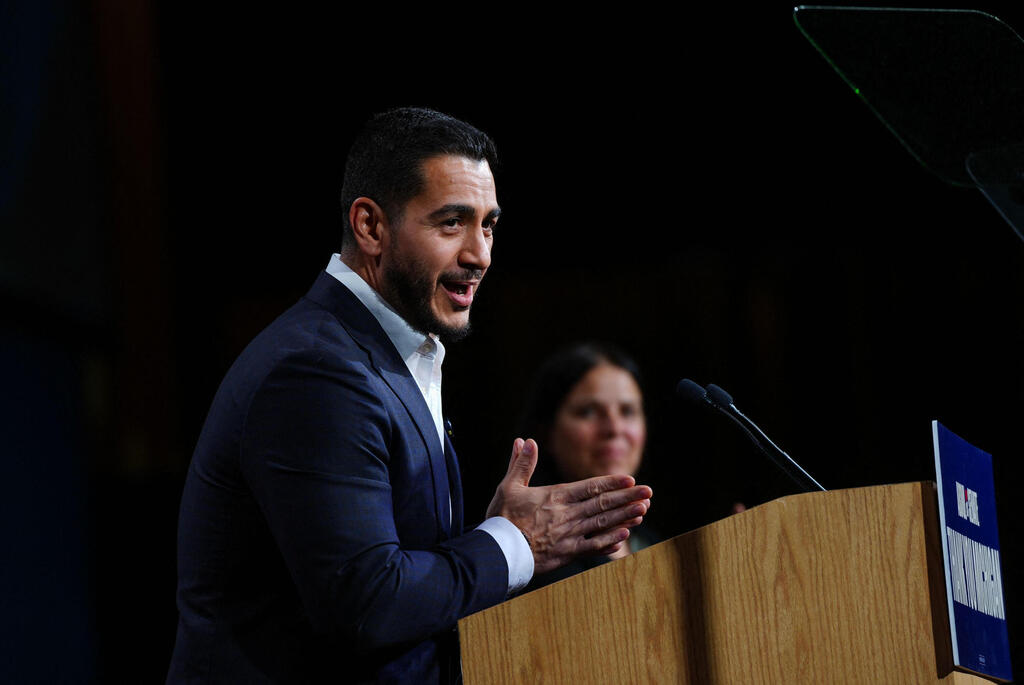
Addressing Vance, who had warned during the campaign that El-Sayed would lead rioters in burning down Detroit, the senator-elect pointed out the irony that the vice president would be constitutionally required to administer his oath of office in January. The moment quickly circulated on social media, where Arab users celebrated El-Sayed's humor and his willingness to confront his political opponents in their own language.
‘Habibi’ becomes an American political catchphrase
The Arabic word "habibi" literally means "my beloved," but in everyday conversation it can also mean "buddy," "pal" or "bro." The expression is widely used across the Middle East and frequently appears in Arabic pop music. El-Sayed's supporters had already embraced it during the campaign, wearing shirts bearing the slogan "Habibi for Abdul."
The senator-elect also incorporated two other familiar Arabic expressions into his celebration. He described his campaign as having transformed "inshallah," meaning "God willing," into "hamdulillah," or "thank God," expressing the shift from hope to gratitude after his election victory.
For many Arab social media users, the remarks were an invitation to celebrate. Videos featuring popular Arabic songs began circulating alongside clips from his speech, with particular enthusiasm in Egypt, where his family's roots lie.
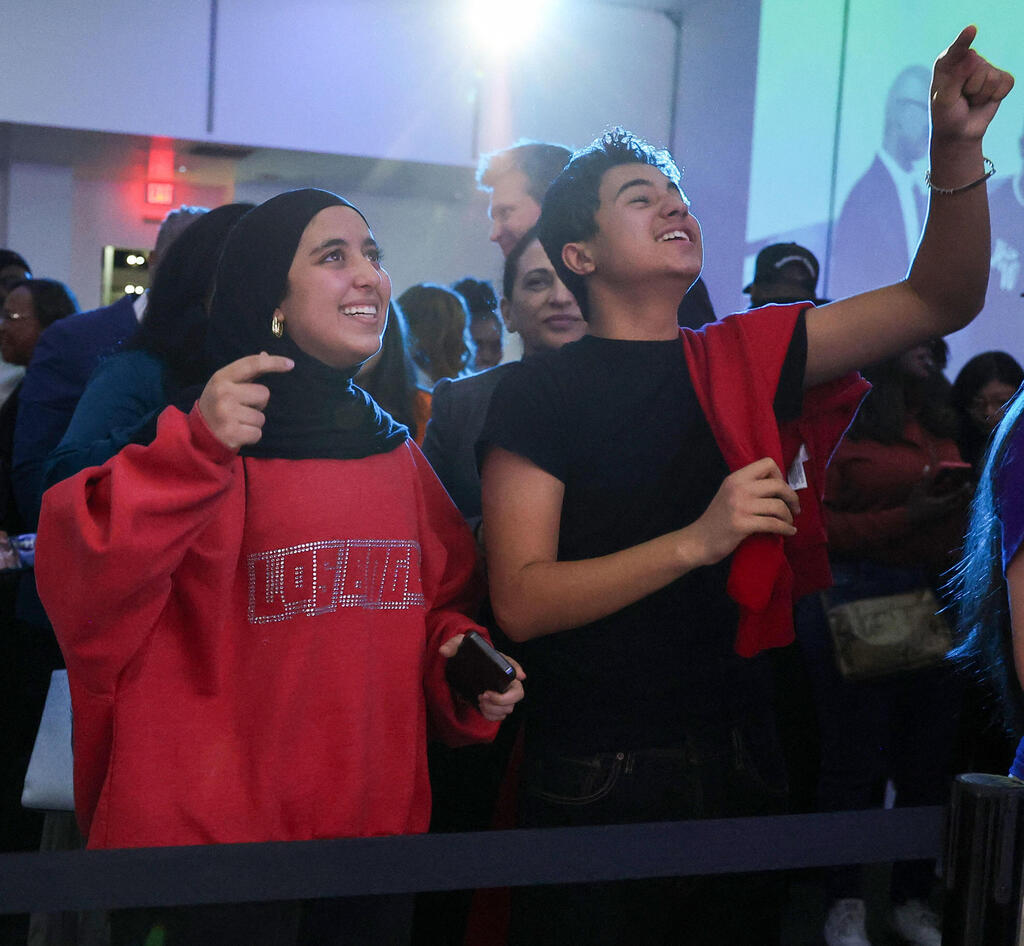
One user shared a video of Egyptian singer Sherine Abdel Wahab dancing to one of her hits, joking that El-Sayed would turn the song into America's new national anthem. Others responded with scenes from Egyptian comedy films, drawing on a tradition of using humor to confront hardship and ridicule powerful figures.
Among the widely shared memes was a scene showing a man attending a funeral while intoxicated and struggling to contain his laughter. The accompanying caption read, "I came here to crack jokes," echoing the playful tone of El-Sayed's victory speech.
Egyptian academic Khalil al-Anani also joined the celebrations, praising the senator-elect on X and describing "habibi" as the sweetest of words. He thanked El-Sayed for bringing joy to Egyptians at a time when much of the region has been overshadowed by conflict.
A historic victory after years of prejudice
The enthusiasm surrounding El-Sayed's election reflects more than pride in a politician of Egyptian descent. For many Arab and Muslim Americans, his victory represents a significant cultural milestone after decades of prejudice and negative portrayals in American politics and popular culture.
Arab and Muslim characters have frequently been depicted as terrorists in American films, while some conservative politicians have promoted unfounded claims that Muslim communities seek to impose Islamic religious law, known as sharia, on the United States.
El-Sayed experienced such rhetoric directly during his campaign. Trump referred to him as a "jihadist," invoked the September 11 terrorist attacks and deliberately mispronounced his name. The attacks sought to portray the Democratic candidate's religious identity as a political threat.
(Photo by Salwan Georges / GETTY IMAGES NORTH AMERICA / AFP)
But supporters responded with humor rather than allowing the accusations to define the campaign. Social media users circulated videos of Lebanese pop star Haifa Wehbe belly dancing, young women wearing hijabs breakdancing in the streets and other playful images celebrating Arab and Muslim culture.
El-Sayed saved another response for Trump during his victory speech. Acknowledging the president's repeated difficulty with his name, he suggested that once Vance administered the oath in January, Trump could simply address him as "senator."
The remarks underscored the symbolic significance of El-Sayed's victory: A candidate who had been attacked over his name, faith and heritage was preparing to enter one of America's most powerful political institutions without abandoning any of them.
For his supporters across the Arab world, the humor carried an additional meaning. In a region deeply affected by years of war, political instability and negative stereotypes abroad, El-Sayed's use of ordinary Arabic expressions on an American political stage offered an unusual moment of collective joy.