

After three weeks of vote counting in Peru’s tight presidential race, right-wing candidate Keiko Fujimori has officially defeated her leftist rival Roberto Sánchez, in another sign of Latin America’s shift toward the right.
According to the full vote count published Monday night, Fujimori won the decisive June 7 runoff by just 0.27 percentage points, or 49,641 votes out of more than 18 million cast. She received 9,223,396 votes, or 50.135%, while Sánchez received 9,173,755 votes, or 49.865%.
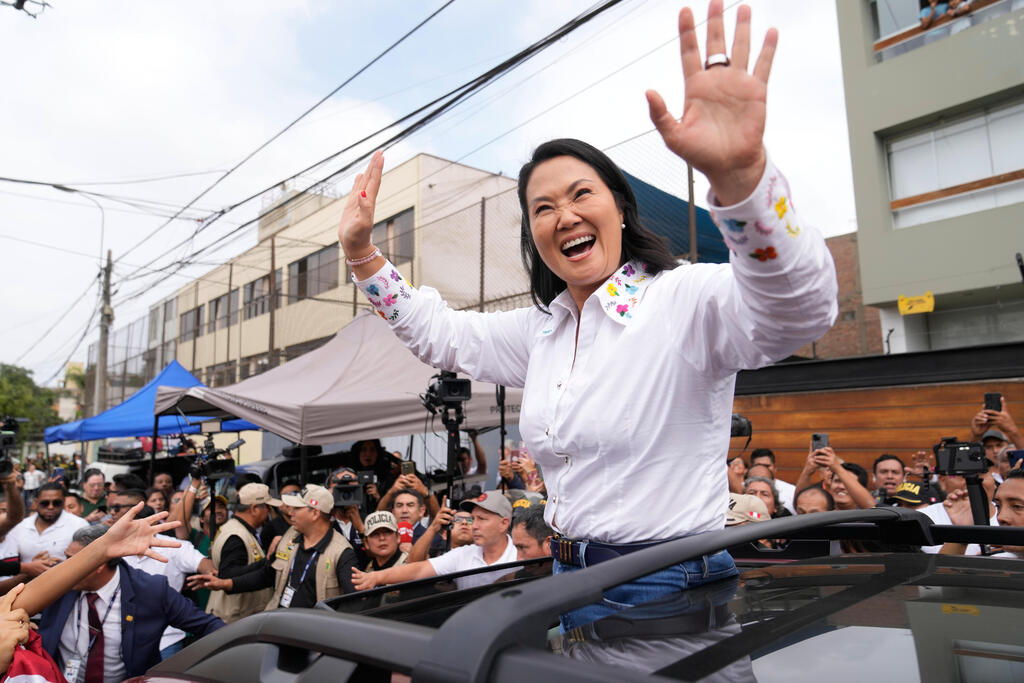
Fujimori, 51, is the daughter of former Peruvian president Alberto Fujimori, who was accused of authoritarian rule and corruption and was sent to prison before his death two years ago. She had run for president three times before, in 2011, 2016 and 2021, losing each time by narrow or razor-thin margins.
The National Elections Board is expected to formally declare her victory on Friday, and she is set to begin her five-year term on July 28. Sánchez, however, has refused to accept the results and is alleging fraud without providing evidence. He has vowed to appeal the expected declaration of Fujimori as the winner, while his supporters have recently held protest marches in the capital Lima under the slogan “defend the vote” and promised further demonstrations.
If Sánchez and his supporters manage to delay Fujimori’s inauguration, it could deepen the political crisis that has gripped the South American country for the past decade. Since 2016, nine presidents have either resigned or been removed from office, and Fujimori would become the 10th leader in that period if her swearing-in is not blocked by her opponents.
The man who defeated Fujimori in the 2021 election, leftist Pedro Castillo, was removed from office a year later after dissolving Congress and being accused of attempting a coup. Since then, the president appointed by Congress to replace him was also removed, as was the man who replaced her. The latest president was ousted earlier this year, and since February the country has been led by José María Belcazar, a left-wing politician who recently sparked outrage with a harsh antisemitic remark in which he claimed Jews were responsible for pushing Germany into World War II.
Fujimori is a right-wing leader who has pledged to cooperate with U.S. President Donald Trump’s administration. She is also considered a supporter of Israel and is expected to strengthen ties between the two countries. She sharply criticized Belcazar’s antisemitic comments, calling them “shameful and regrettable” and saying they reflected a serious lack of understanding of the responsibility that comes with the presidency.
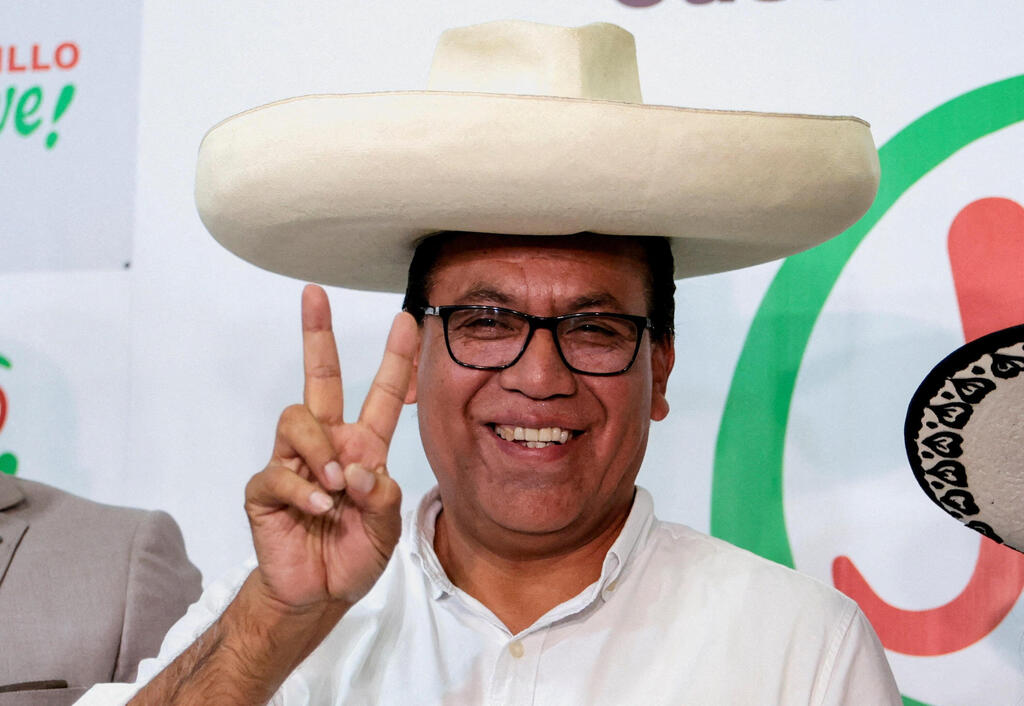
Roberto Sánchez
(Photo: REUTERS/Stifs Paucca)
On Monday night, Fujimori welcomed the publication of the final results, writing on X: “We are getting closer and closer to the beginning of a path of order and hope for all Peruvians.”
During the campaign, Fujimori promised a tough crackdown on criminal organizations, an issue that deeply concerns Peruvians amid a surge in murders, extortion and cocaine trafficking. Among other measures, she pledged to build maximum-security prisons, deport undocumented migrants and allow judges to wear face coverings to conceal their identities and protect them from retaliation by criminals.
“Justice will not be afraid,” she said during the campaign. “The most important thing is to have the will to use force to confront the criminals, these scum who are killing us.”
Fujimori is the daughter of Alberto Fujimori, who served as president from 1990 to 2000 and was viewed by many as a corrupt and brutal authoritarian leader who persecuted political rivals in order to preserve his rule.
The elder Fujimori, the son of Japanese immigrants, successfully confronted a severe economic crisis and inflation that at its peak reached 3,000%. At the same time, he took a hard line against terrorist groups, especially the communist guerrilla group Shining Path, which he defeated. Those successes made him popular with many Peruvians, but he also persecuted political opponents. In 1992, he dissolved Congress, placed senior officials under house arrest and deployed tanks and armored vehicles in the streets of Lima.
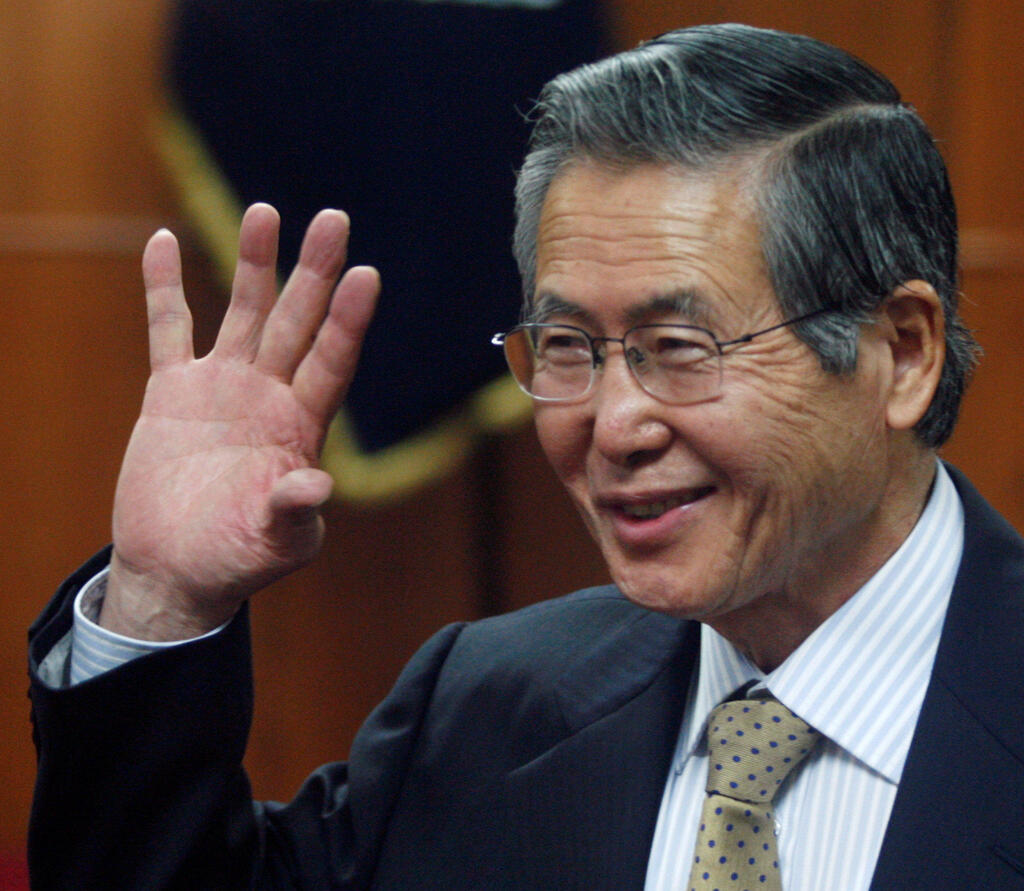
Former Peruvian president Alberto Fujimori
(Photo: Reuters)
In 1994, he made his eldest daughter Keiko the country’s first lady when she was only 19, following a bitter and public divorce battle with his wife, Susana Higuchi, who also described him as a corrupt dictator. Alberto Fujimori is remembered for cutting off water and electricity to Higuchi’s residence in the presidential palace and later locking her out of the building.
Shortly after he was elected to a third term in 2000, a victory made possible after he changed the constitution, tapes emerged exposing deep links between Fujimori and political killings and torture. He fled to Japan and announced his resignation by fax. He was accused of personal involvement in the murder of 15 people and the theft of $1 billion. After being arrested in Chile in 2005, he was extradited to Peru and sentenced to 25 years in prison. He was pardoned in 2017, returned to prison a year later and was later pardoned again. He died two years ago at age 86, remaining until his final day one of the most divisive figures in Peru’s history.
Keiko Fujimori used the support her father still enjoyed among many Peruvians to build her own political career. In 2006, she was first elected to Congress under a movement known as Fujimorismo. At the same time, her family name also sparked fierce opposition, uniting left-wing and centrist forces against her and helping deny her victory in the previous three presidential elections.
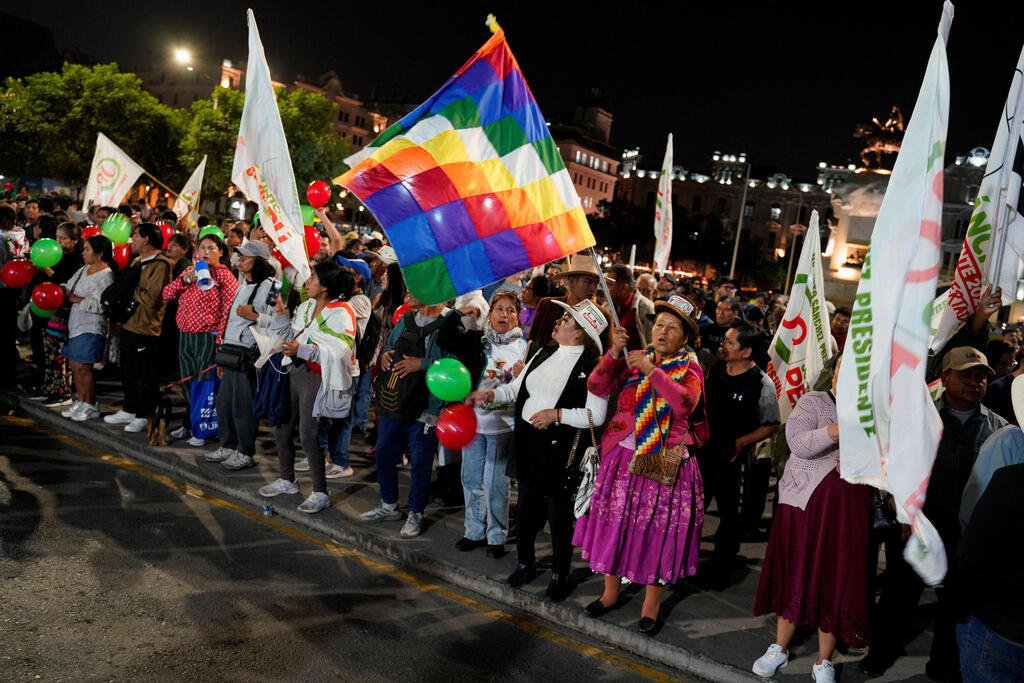
Supporters of leftist Roberto Sánchez, who lost Peru’s presidential election, in Lima on June 8
(Photo: REUTERS/Leslie Moreno)
Fujimori, considered less charismatic than her father, has adopted his hard-line approach to fighting crime but has distanced herself from his authoritarian tendencies. She has pledged, among other things, to respect Peru’s constitutional term limit, which bars a president from running for a second consecutive term.
Her victory comes amid a broader rightward drift in Latin America. Last week, hard-right candidate Abelardo de la Espriella won Colombia’s presidential election and is set to replace anti-Israel President Gustavo Petro. He has already promised to move Colombia’s embassy to Jerusalem. His victory followed wins by right-wing candidates in several countries, including Bolivia, Honduras, Chile and Costa Rica.
In the background is Trump’s growing involvement in the region, including billions of dollars in aid to support his ally Javier Milei in last year’s parliamentary elections in Argentina. That involvement reached a peak in January with the operation to capture Venezuelan President Nicolás Maduro.
Foreign Minister Gideon Sa’ar congratulated Fujimori on Tuesday morning, saying: “Congratulations to Peru’s president-elect, Keiko Fujimori, on her victory in the presidential election. I wish the president-elect great success. Peru and Israel are close friends that share common values, and I am confident that together we will continue to strengthen our ties and promote cooperation in many fields for the benefit of both peoples.”