

More than two months after negotiations began, and amid intermittent exchanges of fire, U.S. President Donald Trump says a signing ceremony for a framework agreement with Iran is expected to take place Sunday.
The agreement would not formally end the conflict but would instead establish another 60-day ceasefire period during which the sides would negotiate a final accord on Iran's nuclear program and other issues.
Gallery
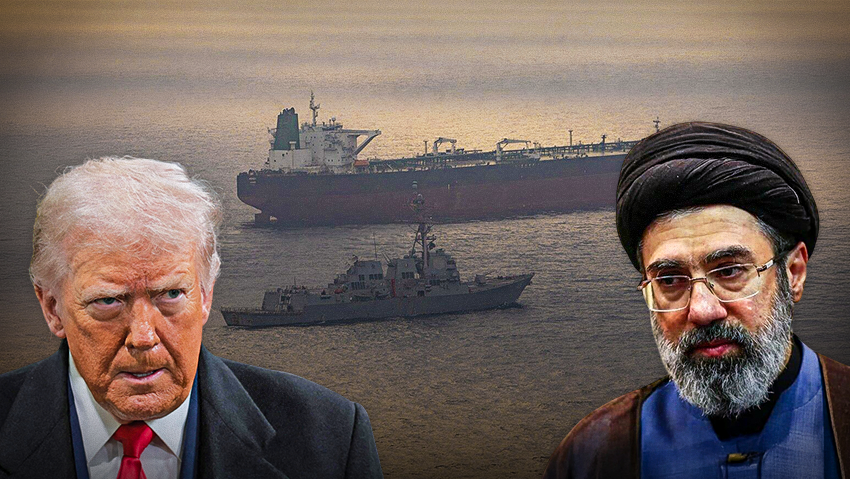
US President Donald Trump, Iranian Supreme Leader Mojtaba Khamenei
(Photo: Anna Moneymaker / AFP, CENTCOM)
Tehran has not yet confirmed that the agreement will be signed Sunday. However, Pakistan, which has acted as a mediator, announced that the signing would take place "digitally," meaning both sides would sign remotely without a face-to-face ceremony.
The emerging agreement has sparked concern in Israel, where officials fear it may fail to eliminate the threats posed by Iran's nuclear and ballistic missile programs and could also restrict Israel's freedom of action against Hezbollah in Lebanon.
What happens next?
Trump said Saturday that the signing ceremony would be held Sunday, although Iran has only said that a signing could take place sometime in the coming days.
According to Pakistan, technical-level talks between the sides are expected to begin this week following the digital signing ceremony.
Trump, who is also set to celebrate his 80th birthday Sunday with UFC fights on the White House lawn, is scheduled to depart Monday for the Group of Seven summit in France. Discussions there are expected to include implementation of the agreement and the reopening of the Strait of Hormuz.
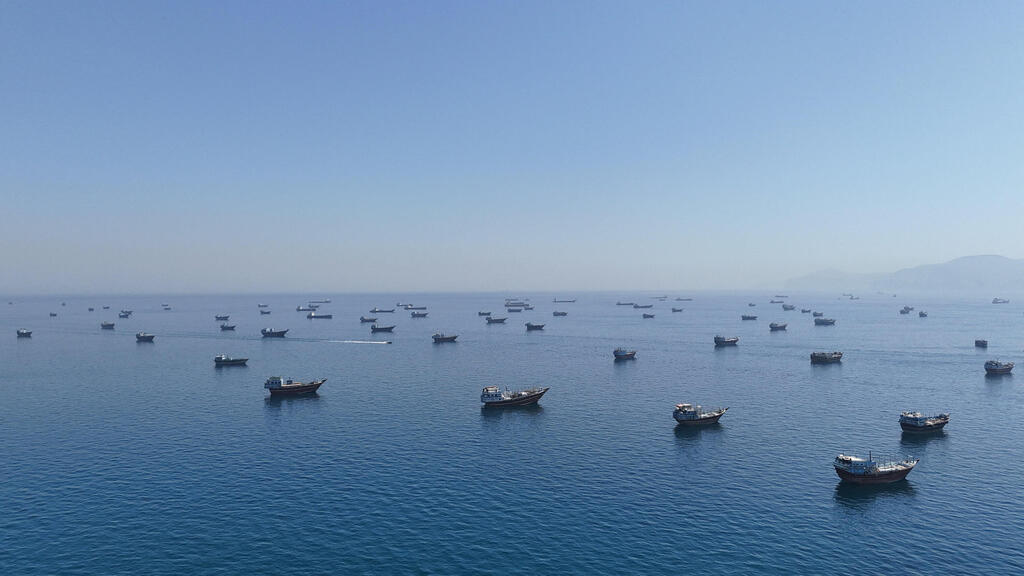
The Strait of Hormuz
(Photo: REUTERS/Stringer)
According to reports, Trump is also expected to meet on the sidelines of the summit with leaders from Egypt, the United Arab Emirates and other Middle Eastern countries. Prime Minister Benjamin Netanyahu has not been invited.
CNN reported Saturday that the original plan called for a more formal signing ceremony, similar to other historic diplomatic events. Trump said Thursday that Vice President JD Vance would attend the ceremony somewhere in Europe, reportedly in Geneva.
But people familiar with the matter told CNN that the plans changed because, under U.S. continuity-of-government protocols, the president and vice president do not travel abroad together. Since Trump is leaving for France on Monday, Vance's trip would have had to wait until Trump returned.
According to the report, some mediators feared that any delay could increase the risk of a last-minute collapse in the talks or a decision by either side to back away from the understandings already reached. The plans were therefore revised in recent days in favor of an online ceremony.
What are the sides signing?
Iranian Foreign Minister Abbas Araghchi said the document would be a brief memorandum of understanding, "shorter than two pages."
According to reports, the agreement would extend the ceasefire by another 60 days.

Uranium enrichment centrifuges at the nuclear facility in Natanz, Iran
(Photo: AP)
During that period, Iran would suspend threats against vessels transiting the Strait of Hormuz and allow shipping to return to prewar levels along the route through which roughly one-fifth of global oil supplies passed before the conflict.
In return, the United States would lift its blockade on Iranian ports while both sides negotiate a final agreement focused primarily on restrictions on Iran's nuclear program.
It remains unclear what would happen if no final agreement is reached after the 60-day negotiating period, although an extension remains possible. Trump, however, indicated Saturday that he wants a comprehensive agreement reached quickly.
“We look forward to working with Iran, and the entire Middle East, long into the future,” Trump wrote on Truth Social. “Hopefully, this process will all work out quickly, easily, and smoothly. If it doesn’t, we have the ultimate alternative, hopefully never to be used again!”
Despite optimistic rhetoric from both Washington and Tehran, significant differences remain in how the framework agreement is being described.
The United States has sought to portray the arrangement as one that will ultimately ensure the dismantling of Iran's nuclear program, while Iran insists that substantive discussions on the issue have been postponed to the future negotiations.
What does the agreement say about Iran's nuclear program?
The text of the agreement has not yet been released, but U.S. media reports indicate that the memorandum of understanding does not actually resolve the dispute over Iran's nuclear program and instead postpones it to the next phase of negotiations.
A senior U.S. official said during a briefing Saturday that the framework agreement would "begin" a process to remove and eliminate Iran's stockpile of enriched uranium. He described the upcoming talks as "technical discussions" over how that process would be carried out.
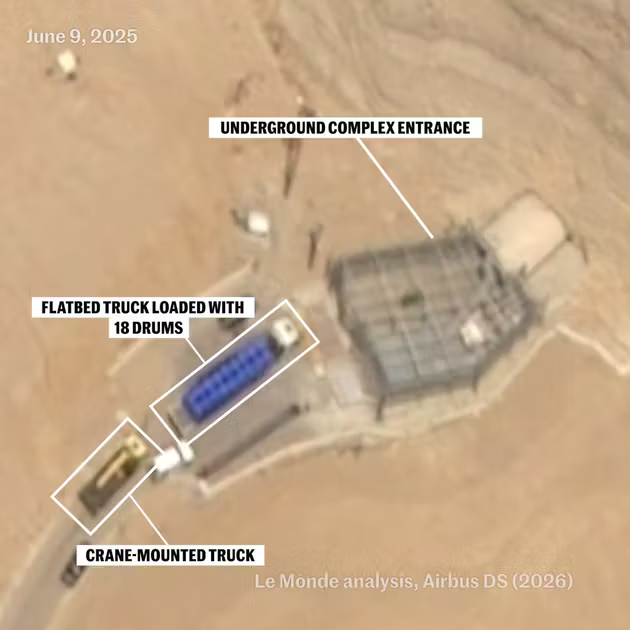
Convoy carrying cargo at Isfahan nuclear facility, Iran
(Photo: AIRBUS DS (2026))
Trump himself said Saturday that once "everything is calm," the enriched uranium buried in underground facilities could eventually be extracted and diluted, either in Iran or in the United States. In the past, Trump insisted that the material be transferred to the United States, but that demand no longer appears to be essential from Washington's perspective.
Iran currently possesses a large stockpile of highly enriched uranium, accumulated after Trump withdrew the United States from the original 2015 nuclear deal in 2018. According to UN estimates, Iran has around 440 kilograms (970 pounds) of uranium enriched to 60%, a level from which enrichment to 90% — weapons grade — is considered relatively quick.
That amount is theoretically sufficient for about 10 nuclear weapons. Most of it is believed to be buried deep underground at the Isfahan nuclear facility, which, along with the Natanz and Fordo sites, was bombed by the U.S. during last year's 12-day war.
CNN reported Saturday that during the ceasefire period Iran has significantly stepped up efforts to seal off the underground stockpiles at those three sites by collapsing tunnels and mining entrances. The moves could complicate not only a previously discussed U.S. commando operation to extract the uranium, but also any future Iranian effort to remove the material under a potential agreement.
Beyond the 60% stockpile, Iran also possesses large quantities of uranium enriched to lower — but still elevated — levels. According to the United Nations, Iran currently holds a total of 10.9 metric tons of uranium enriched between 2% and 60%.
But the existing stockpile is only part of the issue.
Another key question is whether Iran will retain the ability to enrich uranium in the future. Even under strict limitations, maintaining enrichment capability would preserve the technical know-how needed to potentially resume a weapons program if Tehran chose to do so.
Trump previously demanded a permanent ban on Iranian uranium enrichment, unlike former president Barack Obama's 2015 agreement, which allowed enrichment up to 3.67% for 15 years.
Recent reports, however, suggest Trump has softened that position. According to those reports, Washington has proposed freezing enrichment for 20 years, while Iran is seeking a shorter period.
Iran is expected to pledge once again not to develop nuclear weapons, but such declarations have been made repeatedly in the past and carry little practical significance.
The senior U.S. official, presenting the agreement as a major American achievement, said it includes additional commitments Iran would eventually have to accept, including the dismantling of its nuclear program.
However, The New York Times reported that it remains unclear whether Iran will ultimately agree to those U.S. demands during future negotiations.
What about Iran's missiles?
There have been no reports that the framework agreement contains any restrictions on Iran's ballistic missile program, and it remains unclear whether the issue will even be discussed in the next round of talks.
Prime Minister Netanyahu has said Trump is "committed" to ensuring that a final agreement includes limitations on missile production.
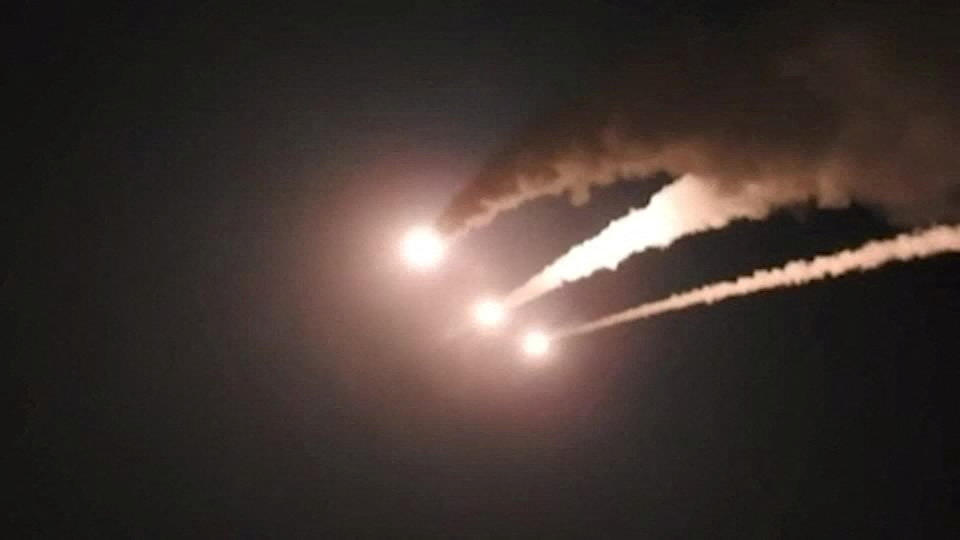
Iranian ballistic missiles fired at Israel, June 7, 2026
(Photo: WANA (West Asia News Agency)/ via REUTERS)
Iranian reports, however, claim that the missile issue has been removed from future negotiations altogether.
What happens in the Strait of Hormuz — and why does Trump keep emphasizing it?
The memorandum is expected to deliver one major immediate change: the rapid reopening of the Strait of Hormuz, which Trump described as "immediate."
Before the war, the waterway was fully open. Following Israeli and U.S. strikes, however, Iran declared the strait closed, asserted control over it and demanded payments from ships transiting the passage.
The disruption sent global oil prices sharply higher and increased pressure on Trump to bring the conflict to an end.
Although Trump insists that domestic political considerations — despite polls showing declining support since the war began — play no role in his decision-making, he has repeatedly emphasized that the agreement will reopen the strait.
News of the emerging deal on Thursday triggered declines in fuel prices and gains on stock markets.
“That means they like the deal,” Trump said. “When the market goes down, that means they don't like the deal. But it went up. Oil prices went down. I think oil will eventually go even lower than before everything we had to go through to get here.”
In exchange for reopening Hormuz, the United States would lift its blockade of Iranian ports, a measure intended to choke off Iranian oil exports. Ending the blockade would provide the Islamic Republic with significant economic relief even before any sanctions are removed.
Earlier reports suggested the blockade would be lifted gradually. But according to the Iranian version of the memorandum — which Trump has dismissed as inaccurate — both the reopening of Hormuz and the lifting of the blockade would occur simultaneously within 30 days.
Another disagreement concerns transit fees. The United States has insisted that ships should pass through Hormuz without charges. Iran, however, continues to say the waterway will reopen under Iranian control and new arrangements, rather than returning to the prewar status quo of unrestricted navigation.
Iranian Foreign Minister Abbas Araghchi said Saturday that instead of imposing "transit fees," Iran and neighboring Oman would charge vessels for unspecified "services" provided to ships.
In practice, critics say, the arrangement would amount to a rebranded transit fee, since international law prohibits countries from charging passage fees in natural maritime chokepoints.
The United States has not yet commented on Araghchi's remarks.
Will Iran receive billions of dollars?
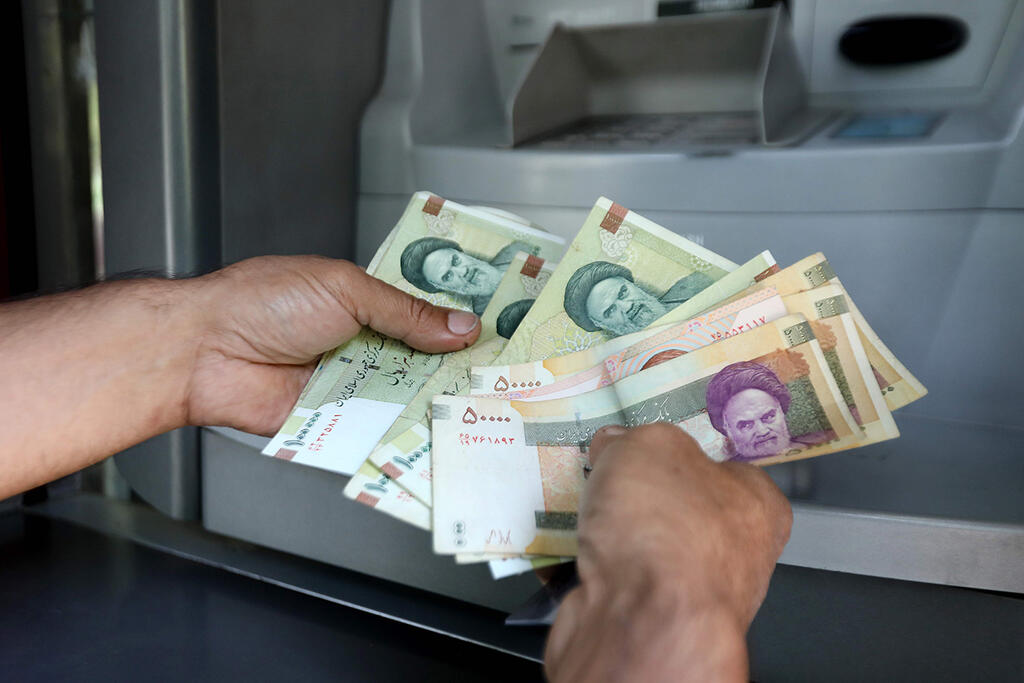
One of the key questions surrounding the agreement is whether Iran will receive significant economic relief as part of the framework deal, providing the Islamic Republic with breathing room from sanctions and the U.S. blockade targeting its oil exports.
(Photo: AFP)
Trump, who repeatedly criticized Obama's nuclear agreement for releasing billions of dollars to Iran, now appears eager to avoid accusations that his own deal would provide massive payments to the Iranian leadership. He said Saturday that the memorandum would not result in the release of Iranian funds.
Iran is believed to have roughly $100 billion in frozen assets abroad. During the negotiations, reports said Tehran demanded access to $24 billion as part of the framework agreement, with half of that amount to be released immediately after signing.
Trump rejected those demands, and The Wall Street Journal reported, citing mediators, that the issue of frozen assets had been postponed to future negotiations.
Still, speculation persists about possible side arrangements. Reuters reported Saturday that the United Arab Emirates had agreed to release at least $10 billion in Iranian assets and had already provided Iran access to $3 billion, but Abu Dhabi denied the report.
The senior U.S. official who briefed reporters Saturday stressed that the agreement is "performance-based" and that Iran would receive sanctions relief and economic benefits only after taking concrete steps regarding its nuclear program.
According to the official, if Iran dismantles its nuclear facilities, ends uranium enrichment and stops financing groups such as Hezbollah in Lebanon, it could receive broad economic relief aimed at improving its struggling economy.
What happens in Lebanon?
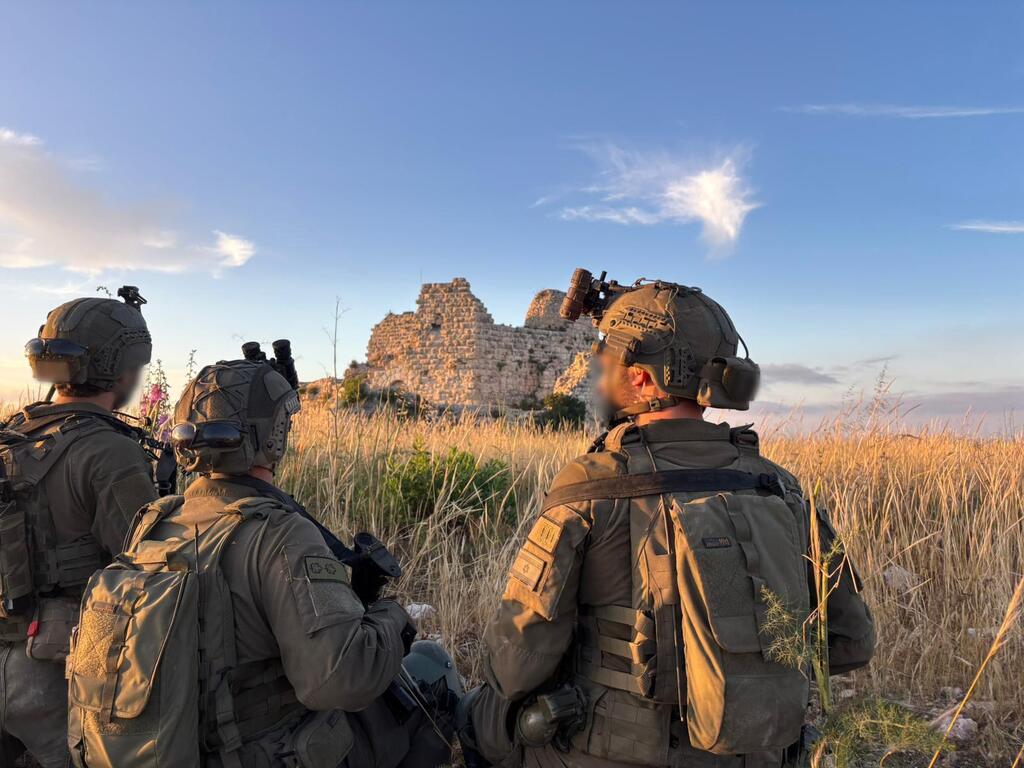
That remains unclear. Iran insists that any ceasefire agreement must also include Lebanon. Araghchi said Saturday that "ending the war in Lebanon means an Israeli withdrawal from occupied territories."
It remains uncertain whether the memorandum calls for a complete end to hostilities or merely extends the current ceasefire.
IDF forces operating in Lebanon
(Photo: IDF)
Defense Minister Israel Katz said Israel would not withdraw from southern Lebanon.
The senior U.S. official said that while the agreement envisions "broader regional peace" — a concept that includes Lebanon — Israel would not be required to surrender its right to self-defense.
“If the Iranians fail to meet their commitments, I do not expect the Israelis not to respond,” the official said.
The remarks could suggest that Israel's freedom of action would still be limited to dealing with immediate threats.
What are Israeli officials saying?
Israeli officials have expressed deep concern over the emerging agreement.
A senior Israeli official said Saturday evening that the most troubling aspect was Israel's inability to influence the process.
“Israel's voice is not being heard,” the official said. “This is not a good agreement. Nobody is happy with it. People understand that it is bad for us and harms Israeli interests.”
Another Israeli official was even more blunt, telling Ynet: “Trump screwed us.”
A third Israeli official said that regardless of the agreement's final form, the regional perception would be that it was achieved because of Iranian pressure and American concessions.
“At least in the short term, any agreement will be viewed as a failure,” the official said. “I remain skeptical both about whether an agreement will actually be signed and about its durability over time.”
The official warned that Iran had concluded it could achieve results through pressure and would seek to use that leverage again in the future, both against neighboring countries and against Israel.
“The real test will be the removal and destruction of the uranium,” the official said. “If that does not happen either, then the sense that this is a bad agreement will become something much more tangible.”
The official also highlighted the ambiguity surrounding the negotiations.
“Both Trump's statements and the Iranian statements deliberately leave a great deal of ambiguity,” the official said. “That ambiguity allows each side to market the agreement at home as a success. The Iranians will say, 'We fought until the last moment and stood by our principles.' Trump will say, 'I twisted their arm, threatened them with military action and they surrendered.' Each side will have its own narrative.”