

An Iranian missile barrage set off air raid sirens across central Israel for the third time since morning on Tuesday, sending residents back to shelters after a brief lull.
According to military officials, one missile was intercepted en route to central Israel, while another fell in an open area in the Jordan Valley in the West Bank. The Magen David Adom ambulance service said no injuries were reported.
Iranian cluster munition hit Bnei Brak
(Video: YRS)


Bicycles blown by blast from Iranian cluster munition onto the roof of a synagogue in Bnei Brak
(Video: Yariv Katz)
Iranian cluster munition hit Petah Tikva
(Video: Eli Klein)
Cars burning on a city street in Petah Tikva after Iranian cluster missile attack
(Video: Fire and Rescue Services)
Car burning on a city street in Givat Shmuel after Iranian cluster missile attack
(Video: from social media)
Smoke rising over Bnei Brak following Iranian cluster missile attack
(Video: from social media)
The previous salvo included a missile carrying a cluster-munition warhead, with impact sites reported in Bnei Brak and Tel Aviv, while footage from Petah Tikva and neighboring Givat Shmuel showed cars burning on a city street after being struck.
Plumes of smoke rose over Bnei Brak following the strike, which hit a synagogue in the city. Magen David Adom said six people were lightly wounded in the ultra-Orthodox Tel Aviv suburb, including a mother and her two sons, and three others were treated for shock.
In Petah Tikva, two people were treated for light injuries at one impact site, while at another site — apparently a garage — two others suffered minor smoke inhalation. Footage from one of the impact scenes in the city showed a Magen David Adom medic carrying an infant rescued from the site.
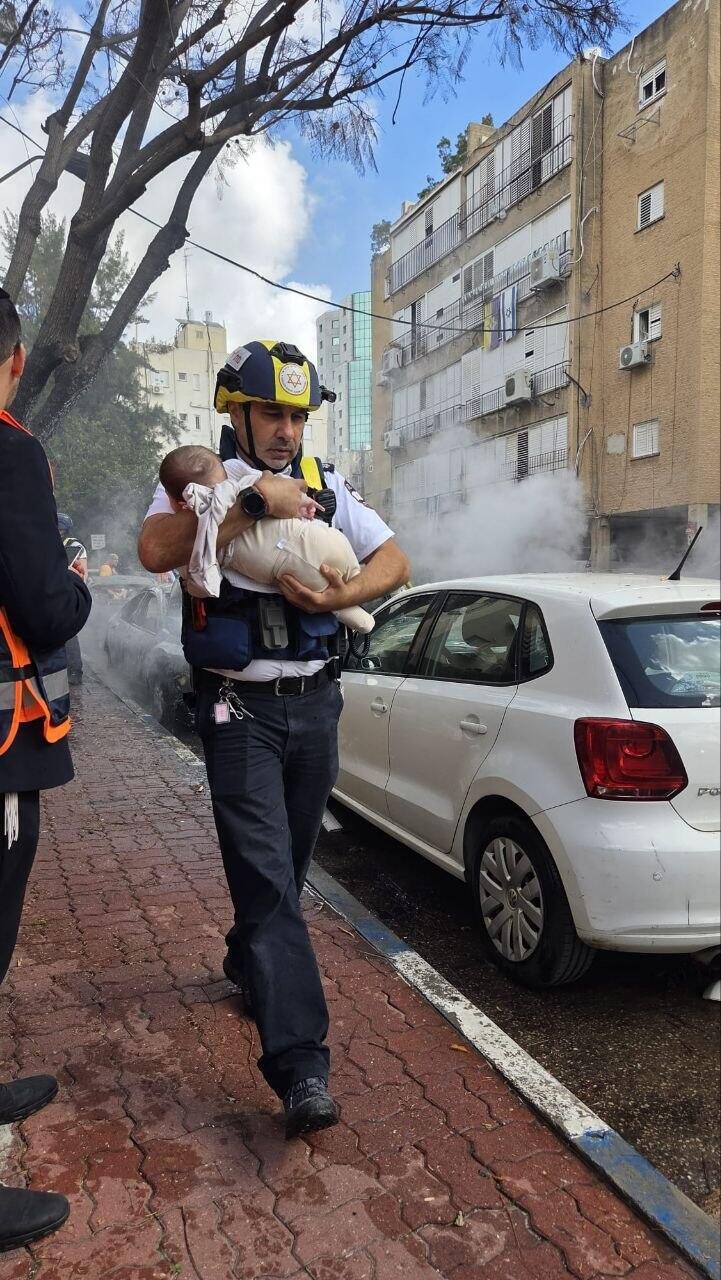
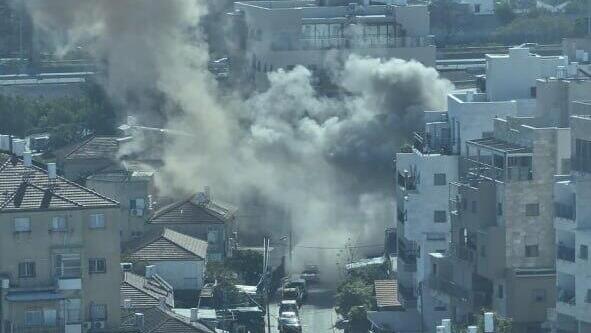
Iranian cluster munition hits Bnei Brak
(Photo: Fire and Rescue Services)
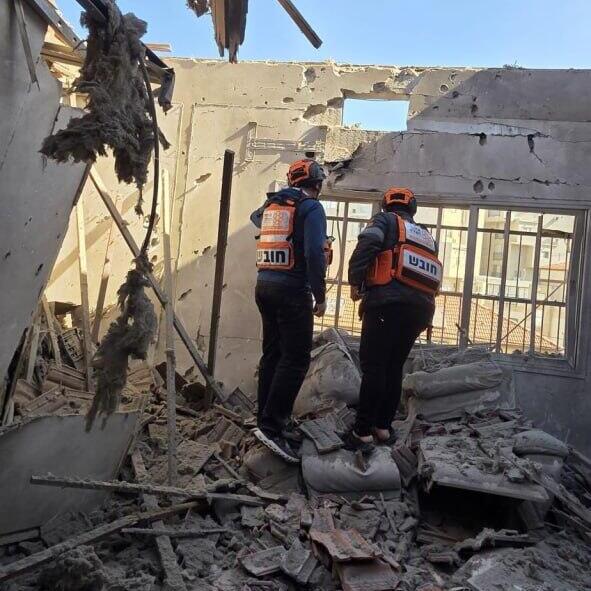
Iranian cluster munition impact site in a synagogue in Bnei Brak
(Photo: United Hatzalah)
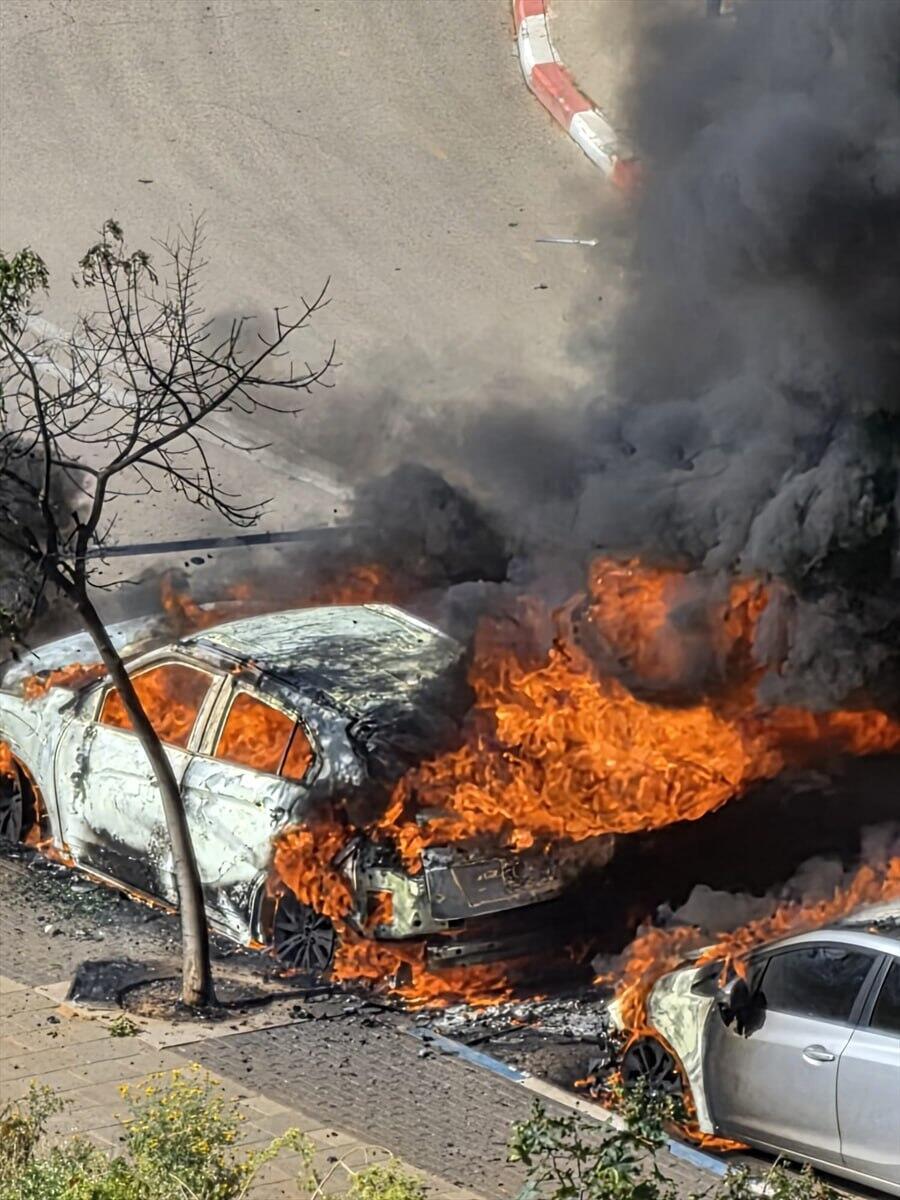
Car burning on a city street in Givat Shmuel after Iranian cluster missile attack
(Photo: Courtesy of Costa)
The attack came amid growing scrutiny of Iran’s reported use of cluster munitions against populated areas in Israel.
Human Rights Watch said Monday that Iran has repeatedly used internationally banned cluster munitions in attacks on Israeli population centers since Feb. 28, calling the strikes a possible violation of the laws of war and saying the weapons are inherently indiscriminate because they scatter submunitions over a wide area.
The rights group said it had confirmed three separate attacks involving cluster munitions, including strikes in Yehud and Ramat Gan that killed civilians, and documented impacts in Or Yehuda, Bat Yam and Holon. Human Rights Watch also warned that unexploded bomblets can remain dangerous for years, posing an ongoing threat to civilians long after the initial strike.
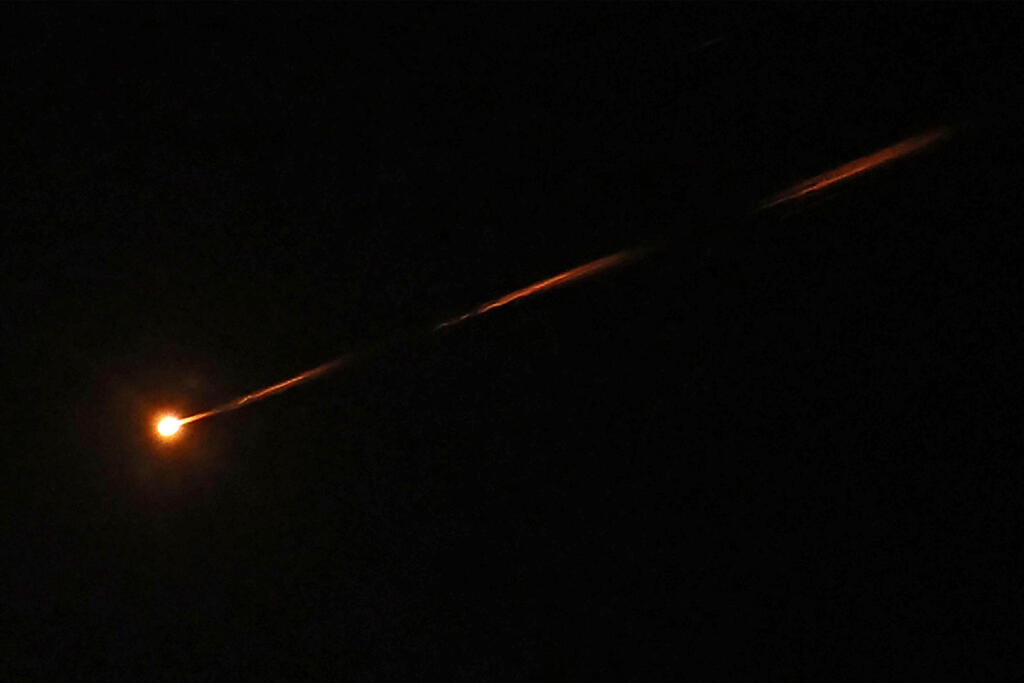
(Photo: AHMAD GHARABLI / AFP)
Earlier Tuesday, sirens were activated in the Jerusalem area, including parts of the West Bank, the Jordan Valley and the Dead Sea region. Sirens were later extended to additional areas, including Modi’in, Ashdod, the Tel Aviv region, the Shfela and Lachish, as the same barrage continued.
According to military officials, some projectiles were intercepted while others landed in open areas in central Israel. The Magen David Adom emergency service said it had received no immediate reports of injuries.
First published: 05:32, 03.31.26