


Human Rights Watch said in a report Monday that Iran has repeatedly used internationally banned cluster munitions against populated areas in Israel since Feb. 28, calling the attacks a violation of the laws of war that may amount to war crimes.
The rights group said at least four civilians were killed in the strikes and said the weapon is inherently indiscriminate because it disperses submunitions over a wide area.
An Iranian cluster missile over central Israel, March 23, 2026
(Video: Dor Cohen, Raanan Ben-Zur)


The group said it confirmed three separate Iranian attacks involving cluster munitions that struck population centers in Israel. It said two construction workers were killed in Yehud, near Tel Aviv, on March 9, and an older man and woman were killed in Ramat Gan on March 18.
Human Rights Watch also documented impacts in Or Yehuda, Bat Yam and Holon as part of a broader attack that it said likely came from a single ballistic missile dispersing submunitions across sites up to 13 kilometers apart.
The group said it reviewed about 50 videos and five photographs posted online between March 1 and 20, along with six photographs of unexploded submunitions apparently found in Israel and the West Bank, and interviewed witnesses to suspected attacks. It said unexploded bomblets can remain dangerous for years, much like land mines.
Gallery
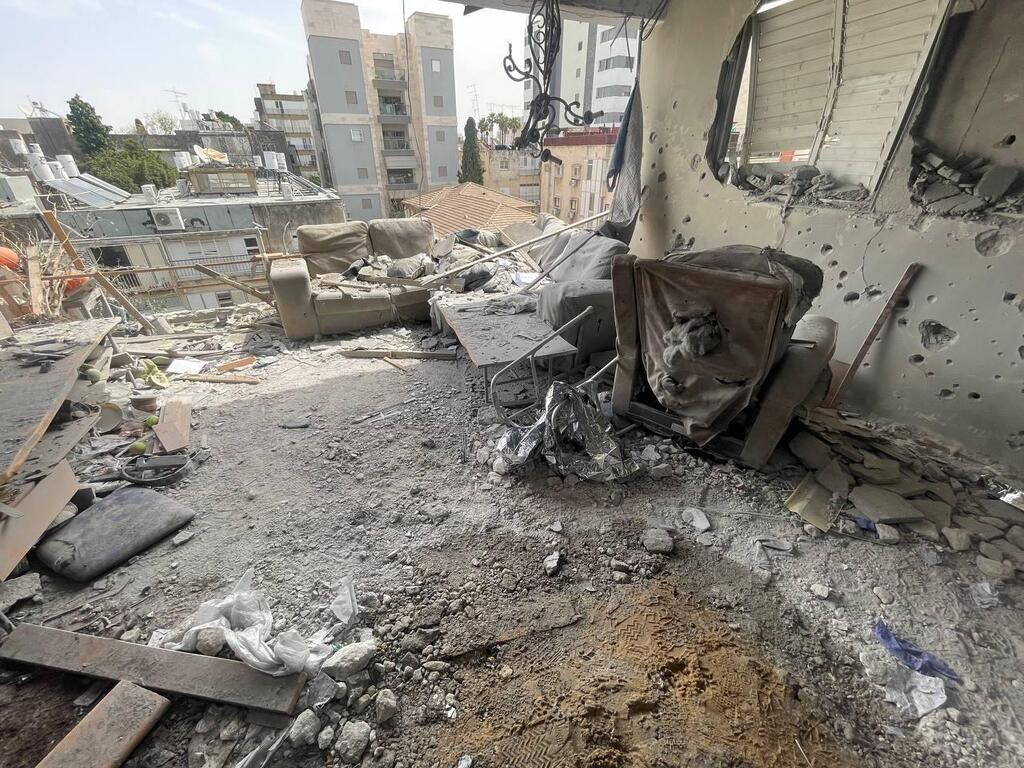
The scene of an Iranian cluster munition strike in Ramat Gan, Israel, where an elderly couple in their 70s was killed on March 18
(Photo: Roy Rubinstein)
“Iran’s use of cluster munitions in populated areas in Israel pose a foreseeable and long-lasting danger to civilians,” Patrick Thompson, the organization’s crisis, conflict and arms researcher, said in the report.
The report said the fighting escalated after the United States and Israel launched attacks on Iran on Feb. 28, prompting Iranian missile and drone attacks on Israel and other countries in the region.
Citing media reports and Israeli government figures, Human Rights Watch said at least 16 civilians had been killed in Israel and four in the West Bank by missile fire. It also cited the Iranian Red Crescent as saying that about 1,900 people had been killed in Iran since the start of the conflict, as of March 27.
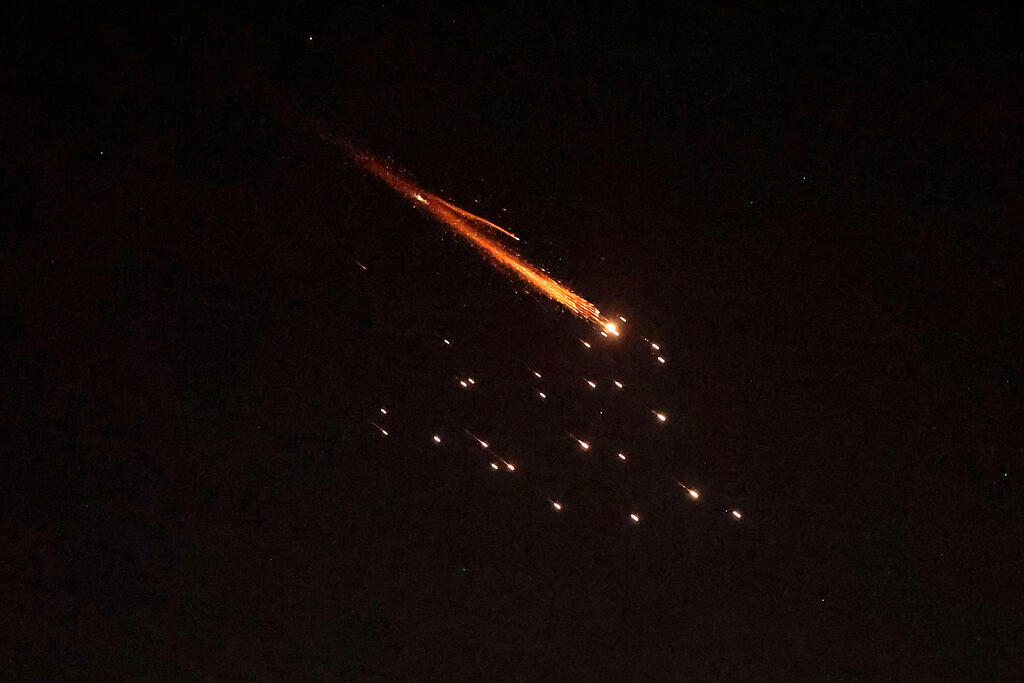
An Iranian cluster missile over central Israel, March 27, 2026
(Photo: Jack Guez/AFP)
Although Iran is not a party to the 2008 Convention on Cluster Munitions, Human Rights Watch said international humanitarian law still prohibits indiscriminate attacks that fail to distinguish between civilians and combatants.
The group called on Iran to immediately stop using cluster munitions, saying the weapons are unlawful not only because of their wide-area effect at the time of attack, but also because unexploded submunitions can continue to endanger civilians long afterward.