


Hamas has resumed rebuilding tunnels and other underground infrastructure in Gaza, including in areas where Israeli forces previously operated, according to intelligence obtained by the Israel Defense Forces.
Military officials assess that Gaza City still contains large and strategically important subterranean systems that were not exposed during the first ground maneuver there a year and a half ago, and that underground warfare will pose an even greater challenge if troops reenter the city.
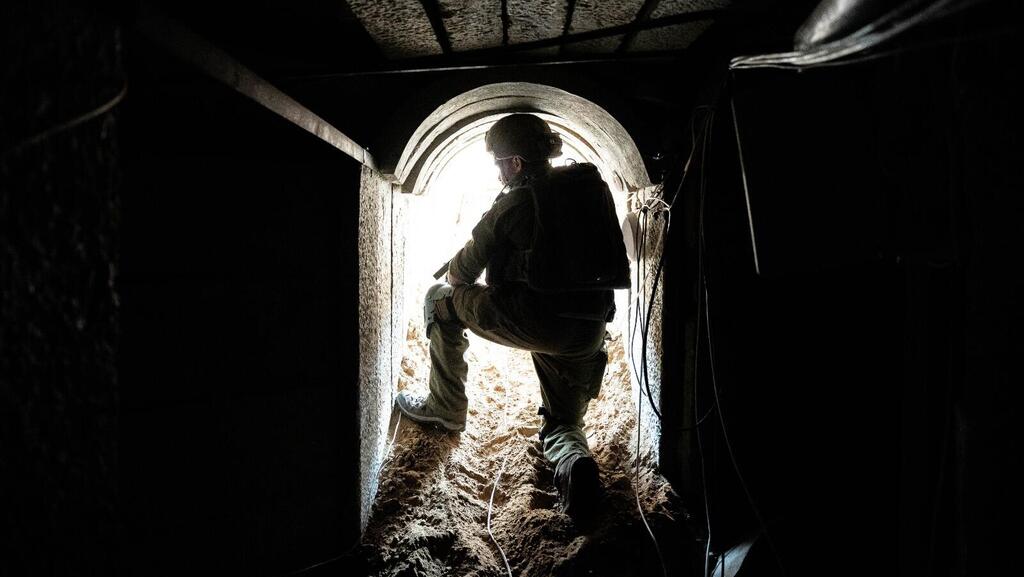
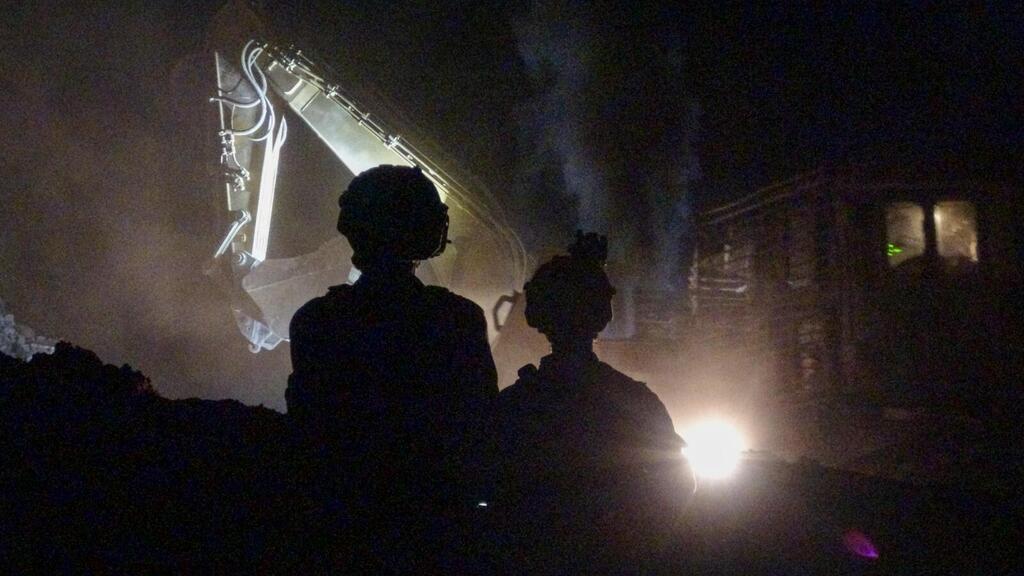
IDF Netzah Yehuda Battalion activity in the northern Gaza Strip destroyed an underground tunnel from which terrorists emerged
(Photo: IDF Spokesperson's Unit)
Against this backdrop, the security cabinet is expected Thursday to approve the next stage of the war, codenamed “Gideon’s Chariots II.” On Sunday, amid nationwide demonstrations calling for the release of hostages, IDF Chief of Staff Lt. Gen. Eyal Zamir announced that the new phase would soon begin, focusing the fighting on Gaza City.
“We will continue striking until Hamas is defeated, with the hostages at the forefront of our minds,” Zamir said. “We will act with a sophisticated, measured and responsible strategy. The IDF will deploy all its capabilities — on land, in the air and at sea — to hit Hamas with force.”
Reservists called up again
The new maneuver is expected to require the mobilization of tens of thousands of reservists under emergency call-up orders, known as Tzav 8. Some reservists reported receiving new call-ups this week.
Lt. (res.) Itam Harel, an armored corps officer from Brigade 10 and activist in the El HaDegel protest movement, said Thursday that he had been called up for the fifth time since the war began. “That’s nearly 400 days of reserve duty over four tours,” he told Israel’s Ynet news site. “Yesterday I got the official call-up, and next week we begin the fifth round.”
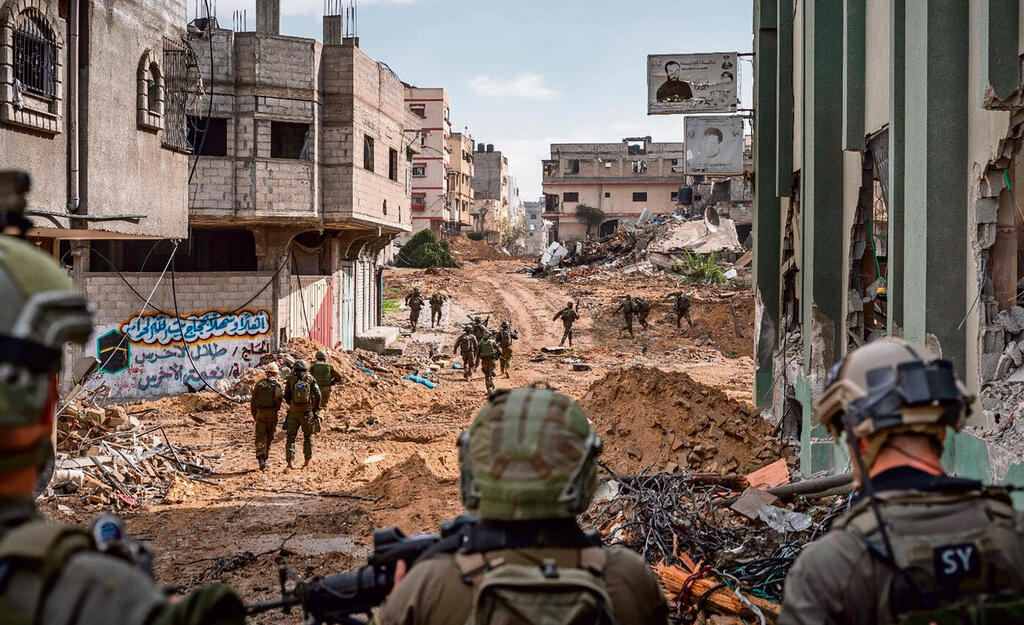
ID soldiers operate in Gaza
(Photo: IDF Spokesperson's Unit)
Harel said soldiers feel both committed and weary. “On the one hand, we’ll do whatever it takes to bring back the hostages. On the other hand, there’s physical and mental exhaustion. Families and workplaces are breaking under the strain. The same country that sends us again and again isn’t expanding the draft — not to the ultra-Orthodox, not to other groups,” he said. He added that contradictory political messaging makes the situation worse. “If the defense minister and chief of staff are publicly arguing, that doesn’t help. Even now it isn’t clear how this operation is supposed to end the story.
Another reservist, Hanania Ben Shimon of Brigade 4 and a member of the “Shoulder to Shoulder” movement, said he too received an emergency call-up this week. “It’s exciting to reunite with the company, but we don’t have tanks ready for the mission,” he said.
Ben Shimon said the mission itself remains vague. “In Gideon’s Chariots I, it wasn’t clear what we were doing, and now again they’re not explaining how this will defeat Hamas or bring back the hostages. The motivation is there, but the fatigue is high,” he said. He criticized the political echelon, noting that ministers who oppose universal service are part of the decision-making body authorizing mass call-ups.
Security cabinet approval
Two days after Zamir’s announcement, Defense Minister Israel Katz formally approved the IDF’s plan to seize Gaza City. He said the goals were “to take control of Gaza, create the conditions to end the war while freeing all hostages, dismantle Hamas militarily, drive its leaders into exile, demilitarize the strip, ensure security zones for protecting Israeli communities, and preserve the IDF’s freedom of action.”
“When this operation is complete, Gaza will change its face and will no longer look the way it did in the past,” Katz said.
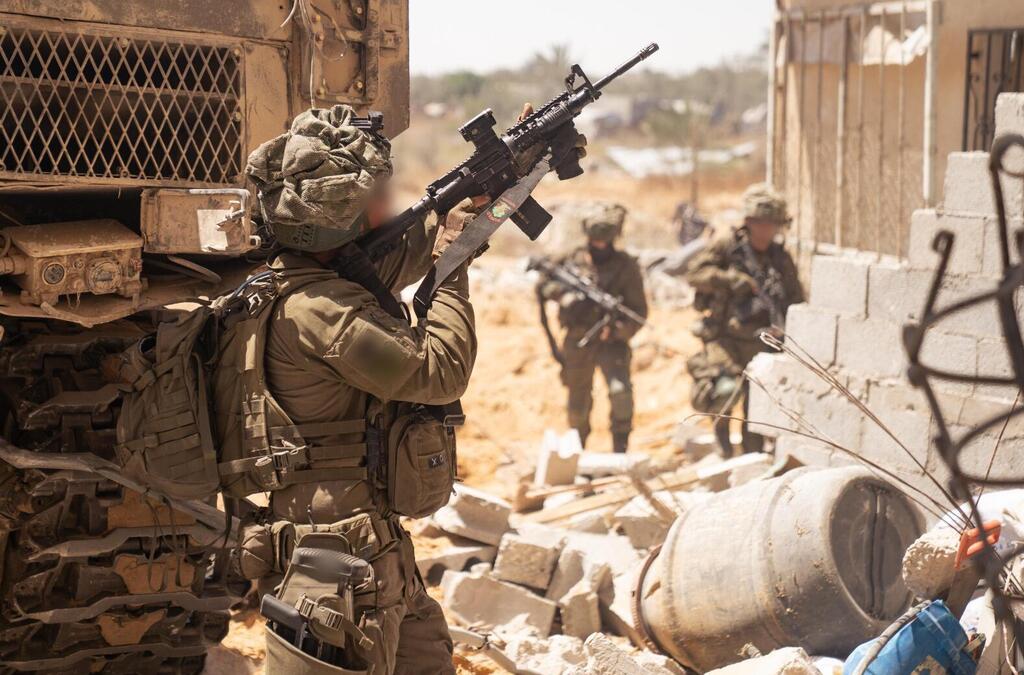
IDF soldiers operate in Gaza
(Photo: IDF Spokesperson's Unit)
While Israeli officials continue to pursue indirect negotiations with Hamas over a possible hostage deal, regular IDF brigades were instructed over the weekend to prepare for another large-scale ground maneuver — about a year after the previous ground campaign in northern Gaza that launched the wider offensive 20 months ago.
For now, those brigades will continue their scheduled activities rather than entering full training cycles, though commanders warned that weekly timetables may shift as preparations accelerate. Reserve brigades have also been ordered to prepare for activation in September under emergency call-ups.
Focus on Gaza City
Military planners expect the ground push will not begin before next month, and that it will depend on Israel’s efforts to move up to one million civilians out of Gaza City to the south — a step that would require cooperation from the United Nations and faces significant logistical challenges.
The next phase for the IDF will be to translate the chief of staff’s “central concept” into detailed operational plans. Southern Command is preparing maneuvers for at least four divisions, including reserve formations. Those divisions would encircle Gaza City from multiple directions before advancing gradually into neighborhoods with high-rise buildings still standing, particularly in Sabra, Rimal and Sheikh Ajlin.
After that, a formal battle procedure would begin, including in-depth staff discussions, operational timing, contingency planning, logistical preparations, final drills and massing of forces near the border and along the Natzarim corridor. The campaign would open with heavy aerial bombardment before troops move in.