

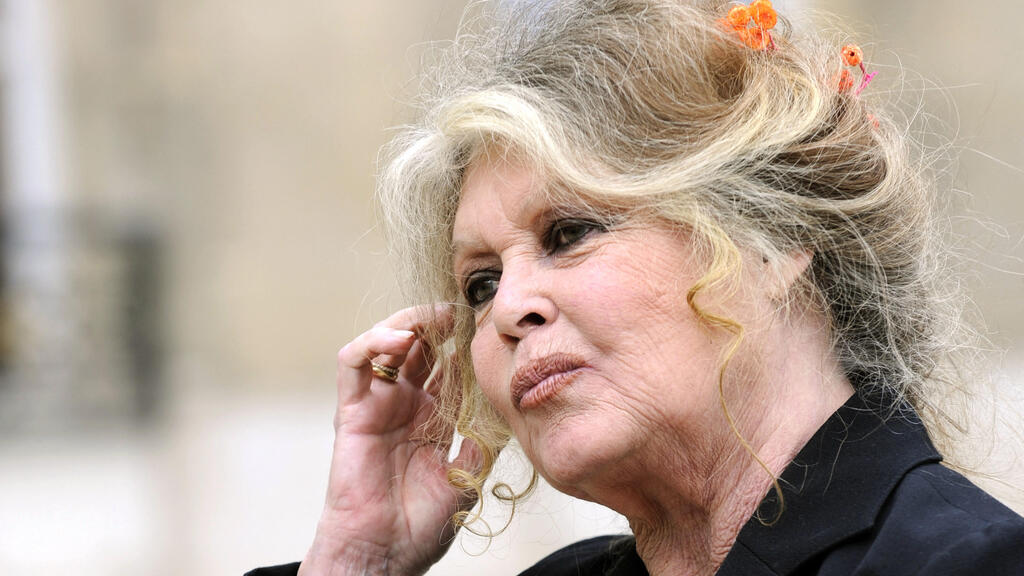
France’s deep political divide was on display Monday over how to honor late film legend Brigitte Bardot, who died Sunday. Though long regarded as a French cultural icon and a leading animal rights activist, Bardot is remembered by many for her identification with what is widely described as the far right, a stance that led to five criminal convictions in the final third of her life.
Bardot died at 91 at her home in southern France. Media outlets worldwide quickly aired her iconic images and revisited her life story. She rose to fame in 1956 with And God Created Woman and appeared in some 50 films before retiring from cinema in 1973 to devote herself to animal rights.
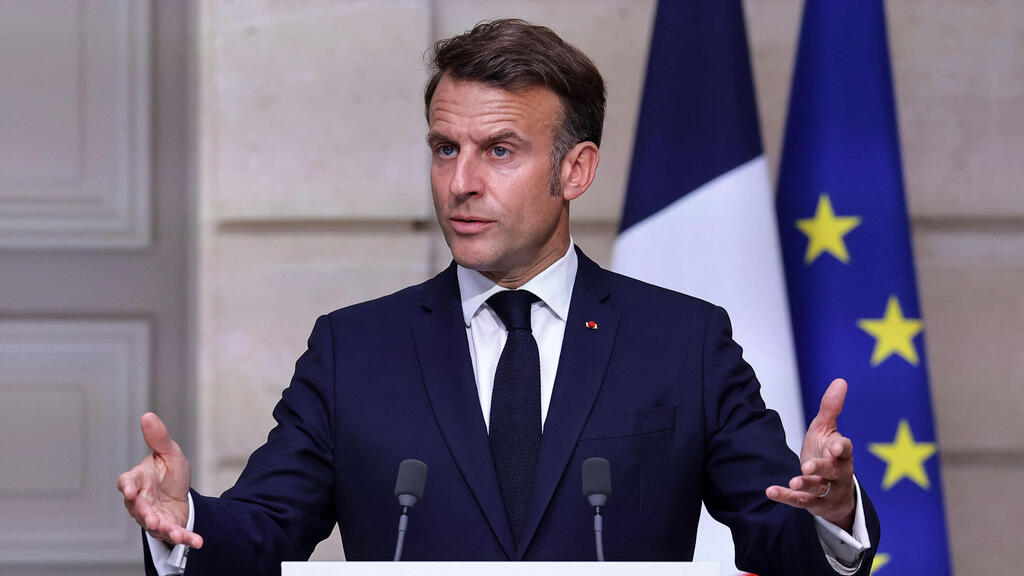
French President Emmanuel Macron
(Photo: Christophe PETIT TESSON / POOL / AFP)
Alongside her many admirers, critics in France point to her repeated remarks targeting foreigners, immigrants and particularly Muslims, comments that led to multiple convictions for inciting racial hatred. In 1997, she condemned the Muslim Eid al-Adha sheep slaughter ritual, arguing it would defile France’s land, and went on to claim that Muslims carried out brutal killings and warned that French society would one day suffer the same fate.
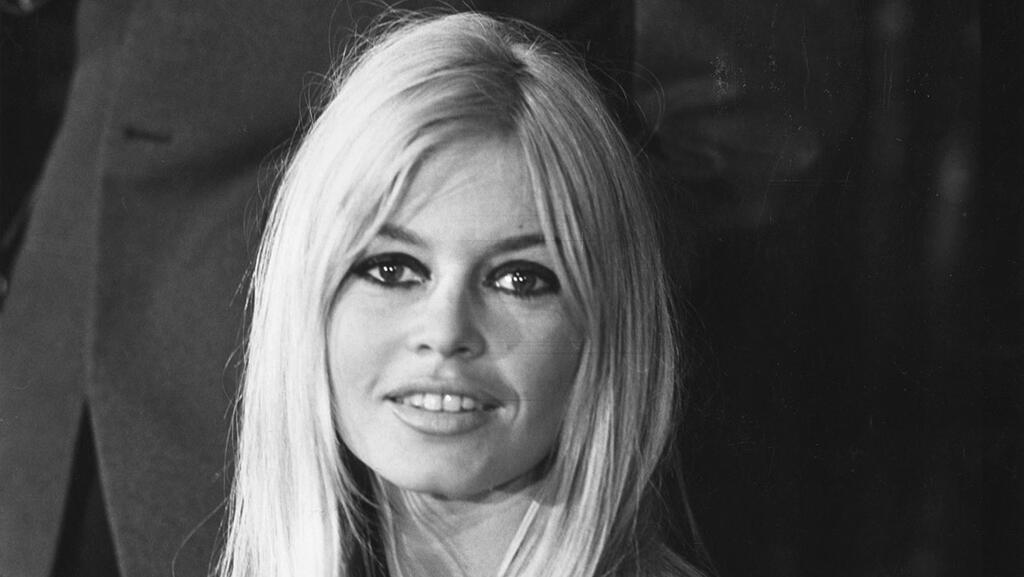
The young Bardot
(Photo: gettyimages)
In a 2003 book, Bardot openly declared her opposition to what she called the “Islamization of France,” arguing that generations of French forebears had sacrificed their lives over centuries to repel successive invaders. She warned of what she portrayed as a dangerous, covert spread of Islam, comparing it to an invasion. She also made controversial remarks about residents of the French island of Reunion off Africa’s coast, calling them “savages.”
The Le Pen connection: a ‘charming’ father and a daughter who would ‘save France’
Bardot’s relationship with France’s far right dates back at least to the 1990s, when she became a supporter of National Front leader Jean-Marie Le Pen, known for his opposition to immigration and repeated controversies over antisemitic remarks. In 1996, Bardot described him as a “charming” man concerned about what she called the frightening rise in immigration. Her fourth husband, Bernard d’Ormale, who was with her when she died Sunday morning, was himself a political adviser to far-right circles, including Jean-Marie Le Pen.
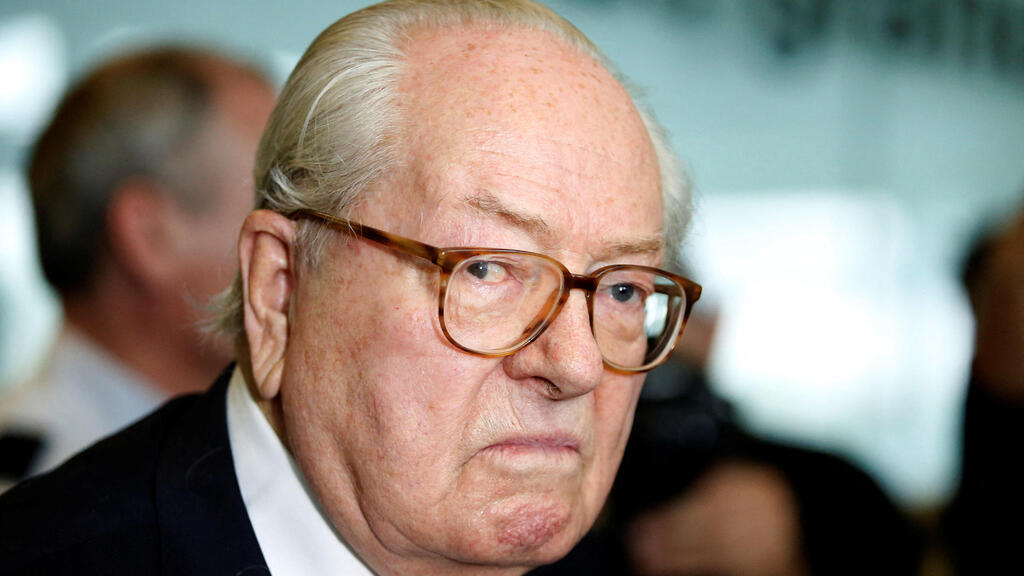
Jean-Marie Le Pen
(Photo: REUTERS/Charles Platiau/File Photo )
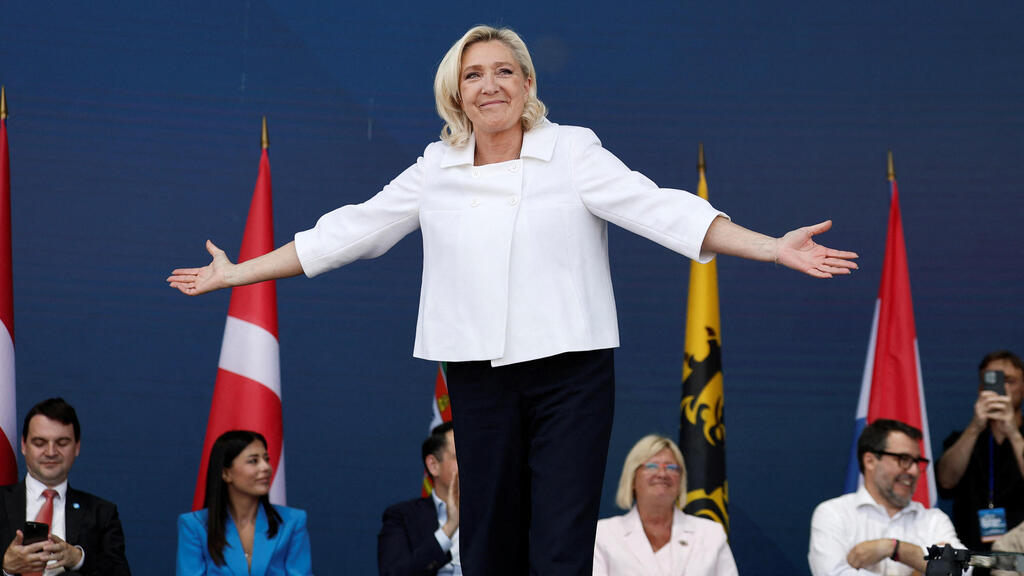
Marine Le Pen
(Photo: REUTERS/Benoit Tessier)
Bardot later backed his daughter, Marine Le Pen, who took over party leadership, renamed it the National Rally and maintained a hard line against immigration and Islam. Bardot supported her presidential bids in 2012 and 2017, said she was “the only woman with balls” and called her a “modern-day Joan of Arc,” adding she hoped Le Pen could “save France.”
In her final book, Bardot wrote that the right — meaning Le Pen’s right — was the only cure for France’s decline, which she depicted as a nation that had become dull, gloomy, submissive, unhealthy, damaged, desolate and coarse. At the same time, she said she could work with any politician who cared about animal welfare and even praised far-left leader Jean-Luc Melenchon, known among other things for his harshly anti-Israel views, for being a vegetarian.
Calls for a farewell like that of the ‘French Elvis’
Unsurprisingly, figures from France’s far right were among the first to eulogize Bardot after news of her death. Marine Le Pen said Bardot was “incredibly French: free, untameable, whole.” Jordan Bardella, seen as Le Pen’s protege and now head of her party, said France had lost a “fervent patriot.” Bardot herself had praised the young Bardella before her death, saying he was “very good.”
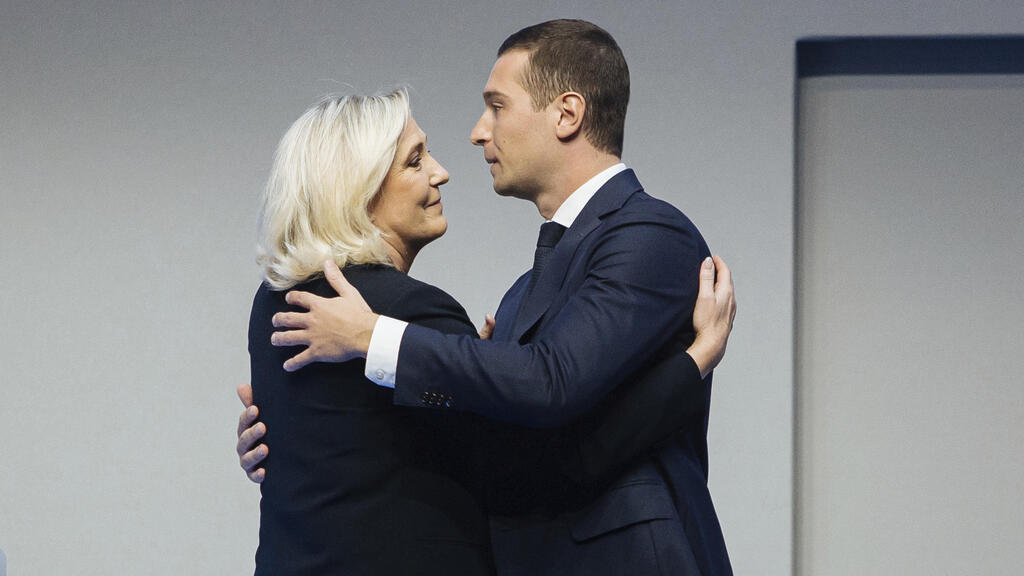
Jordan Bardella and Marine Le Pen
(Photo: AP)
President Emmanuel Macron, a centrist, also paid tribute, calling Bardot a 20th-century film legend. “With her films, her voice, her dazzling glory, her initials (BB), her sorrows, her generous passion for animals, and her face that became Marianne, Brigitte Bardot embodied a life of freedom,” Macron wrote. “We mourn a legend of the century.”
Conservative politician Eric Ciotti, a former leader of the Republicans, proposed holding a farewell event for Bardot similar to the one France organized in 2017 for rock icon Johnny Hallyday, often dubbed the “French Elvis Presley.” Hallyday’s coffin was then carried down the Champs-Elysees in Paris, accompanied by hundreds of Harley-Davidson riders in tribute to his love of motorcycles, as about 1 million people gathered. Macron delivered a eulogy. Ciotti launched an online petition calling for a similar event for Bardot, though it had drawn just over 7,000 signatures as of Monday.
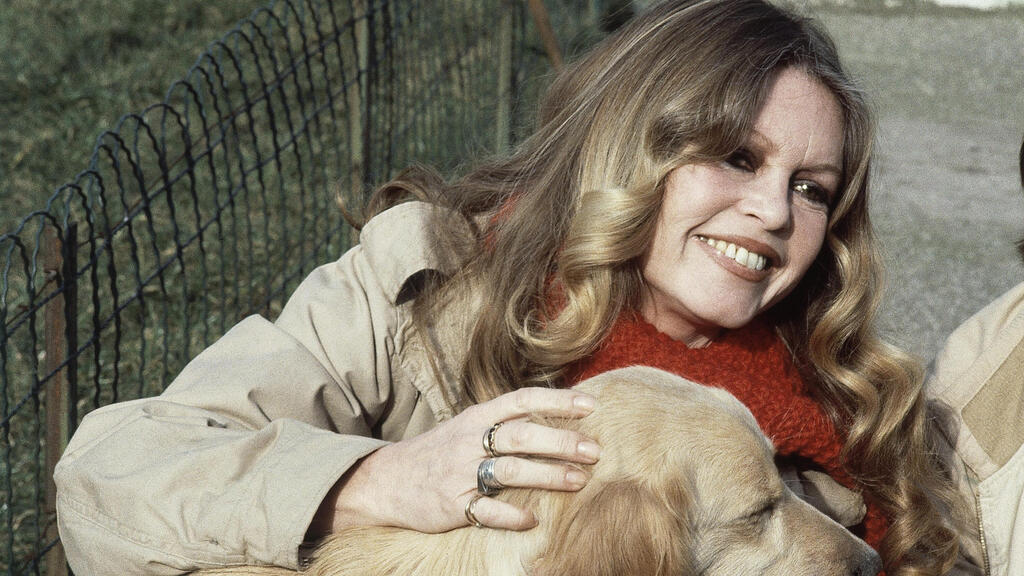
Bardot in 1982
(Photo: AP Photo/Duclos)
On the left, only a handful of figures spoke publicly after Bardot’s death. Among them was Philippe Brun, a senior Socialist Party official, who said on Europe 1 radio that Bardot had been a striking figure and a symbol of freedom, rebellion and passion, adding that her death was a cause for sadness. He said he would not object to a national tribute, while suggesting that her political views could be addressed later.
Communist Party leader Fabien Roussel described Bardot as a polarizing figure but said there was broad agreement that French cinema created her image and that she helped project it around the world. Green Party lawmaker Sandrine Rousseau was more pointed, accusing Bardot of hypocrisy for caring deeply about animals while, in her view, showing indifference to migrants who have died in the Mediterranean, a contrast she linked to Bardot’s hard-line stance on immigration.