


A new report by Israel’s Central Bureau of Statistics (CBS), published Sunday, highlights the economic and social toll on reservists and their families during the war. The survey, conducted in April and May, targeted partners of reservists called up between the start of the war and February 2024.
Business closures, layoffs, and academic setbacks are among the challenges facing families of IDF reservists as Israel launches Operation Gideon’s Chariots II, the campaign to capture Gaza City that requires the mobilization of tens of thousands of soldiers.
According to the data, 73% of self-employed partners of reservists reported that their businesses were hurt, and about 20% were forced to shut down. In total, 34% of families said they are facing financial hardship, a figure that rises with longer reserve duty. Nearly half of the reservists’ partners who are students reported academic damage, with some delaying courses or dropping out altogether.
Employment impact
The CBS report found that 10% of partners who were salaried employees before Oct. 7 are no longer working. Among those who were self-employed, one in five changed their work status: 12% now work as salaried employees, and 8% are out of the workforce entirely.
Self-employed partners were hit far harder than salaried employees: 73% reported harm to their businesses, compared with 25% of salaried workers who experienced workplace disruptions. Among employees, 30% reported pay cuts and 3% were laid off.
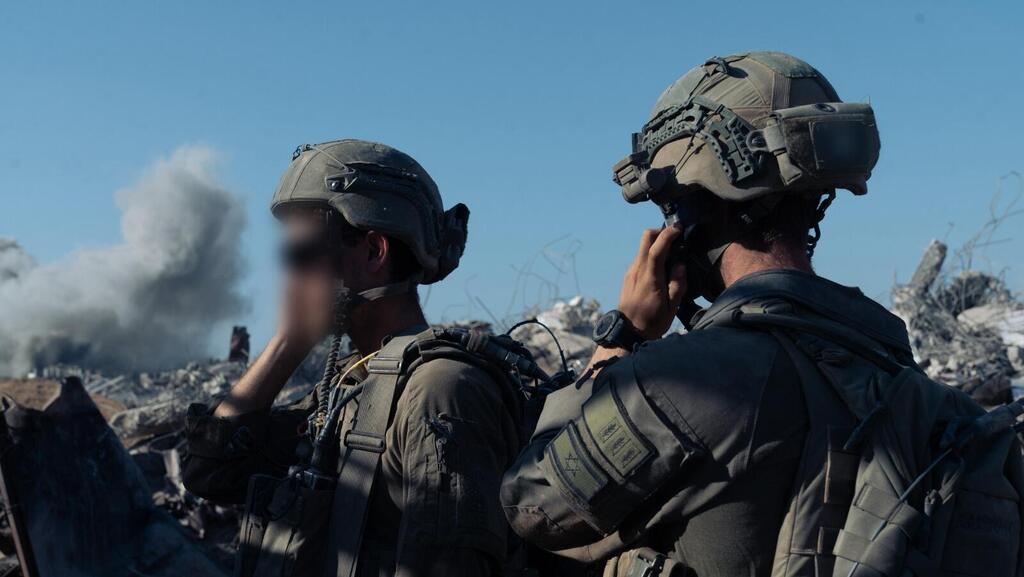
(Photo: IDF)
The impact also varied by the reservist’s branch of service. Families of reservists serving in ground forces suffered greater employment damage than those in other branches. For example, 77% of self-employed partners of ground force soldiers reported business harm, compared with 70% in the air and naval forces and 67% in other branches. Additionally, 34% of salaried partners of ground force reservists reported wage losses, and 28% reported broader employment setbacks.
Financial strain
More than one-third of reservists’ partners said they face financial difficulties due to the prolonged mobilization. The rate was even higher among divorced partners (58%) and single parents who share children with reservists (about 50%).
Families with children were more likely to face financial pressure (35%) than those without children (27%). Again, partners of ground force reservists reported the highest levels of hardship.

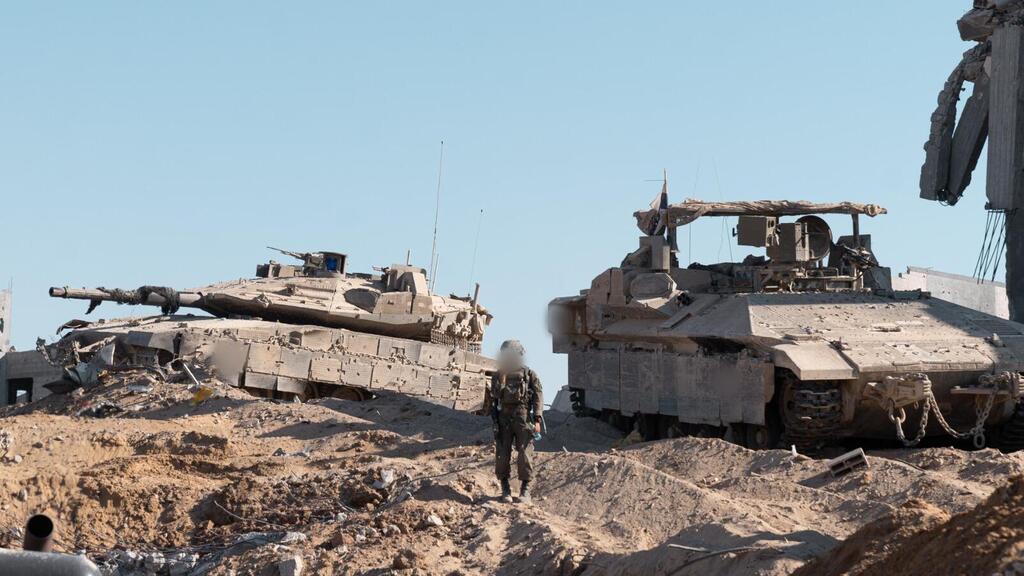
(Photo: IDF)
The length of reserve service was also a clear factor. Among families where reservists served up to 50 days, 28% reported financial strain, compared with 34% of those whose partners served 100–150 days and 38% for those serving 250 days or more.
Academic disruption
The war also disrupted studies for both reservists and their partners. Among reservists enrolled in undergraduate programs in the 2023–24 academic year, the cancellation rate was lower than for non-reservists (11.6% compared with 14.4%). But those who served more than 150 days were more likely to cancel enrollment (12.4%) compared with those who served less (11.1%).
In addition, 4.7% of reservist students in their second year quit their studies. The dropout rate was slightly lower for those serving over 150 days than for those serving shorter periods, 4.5% versus 4.9%. Women in the reserves were less likely than men to leave their studies after one year, 3% compared with 5.7%.
The toll extended to partners as well. About 15% of reservists’ partners are students, and nearly half said their grades suffered due to their partner’s mobilization. Twenty-nine percent postponed courses, and 8% abandoned their studies entirely. Still, 45% of them were granted academic accommodations by their universities.