


Israel and Greece are moving to the next stage of their defense cooperation. The deal to establish Greece’s air and missile defense network is expected to be signed in Tel Aviv on Monday, in a large-scale project known as “Achilles’ Shield,” with an estimated cost of about 3.1 billion euros.
This is one of the largest defense projects to emerge from cooperation between the two countries. Following the signing, the implementation phase is expected to begin and is slated to last about 35 months.
Gallery
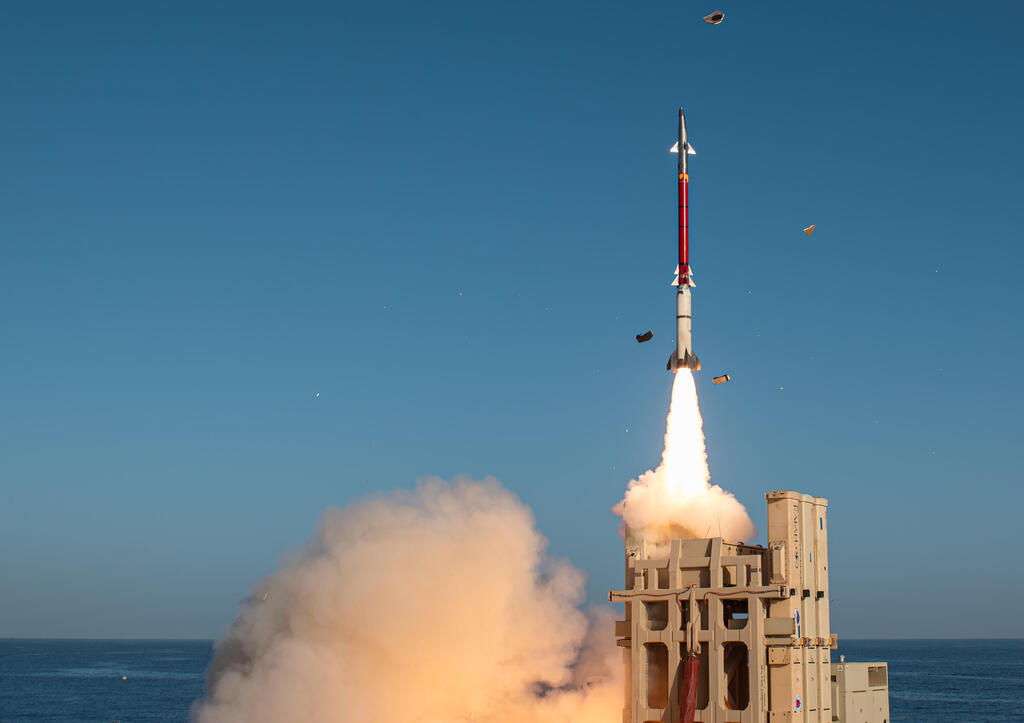
David’s Sling during tests at Israel’s Defense Ministry
(Photo: Israel Defense Ministry Spokesperson’s Office)
The agreement will be signed between procurement officials at the Greek Defense Ministry and SIBAT, the International Defense Cooperation Directorate at Israel’s Defense Ministry, which is responsible for international defense cooperation.
Greece’s goal is to establish a multilayered network that will connect different defense systems and enable it to address a wide range of threats — from drones and unmanned aerial vehicles to missiles and ballistic threats.
Under the plan, Greece is expected to combine systems it already possesses with advanced Israeli systems, including Spyder, Barak MX and David’s Sling, alongside Patriot systems and other capabilities.
The central idea is to create a single network in which sensors, command-and-control systems and interceptors “communicate” with one another, allowing the most appropriate defense system to be selected for each threat. Alongside the military aspect, the deal also includes a significant component for Greece’s defense industry.
About 12 Greek companies are expected to participate in the project, with the value of their involvement expected to exceed 700 million euros. Greek industry’s share of the project is expected to be about 25%.
For Athens, the aim is to ensure that the huge investment does not amount to simply purchasing weapons systems, but also leads to the transfer of knowledge, the development of local capabilities and the strengthening of Greece’s defense industry.
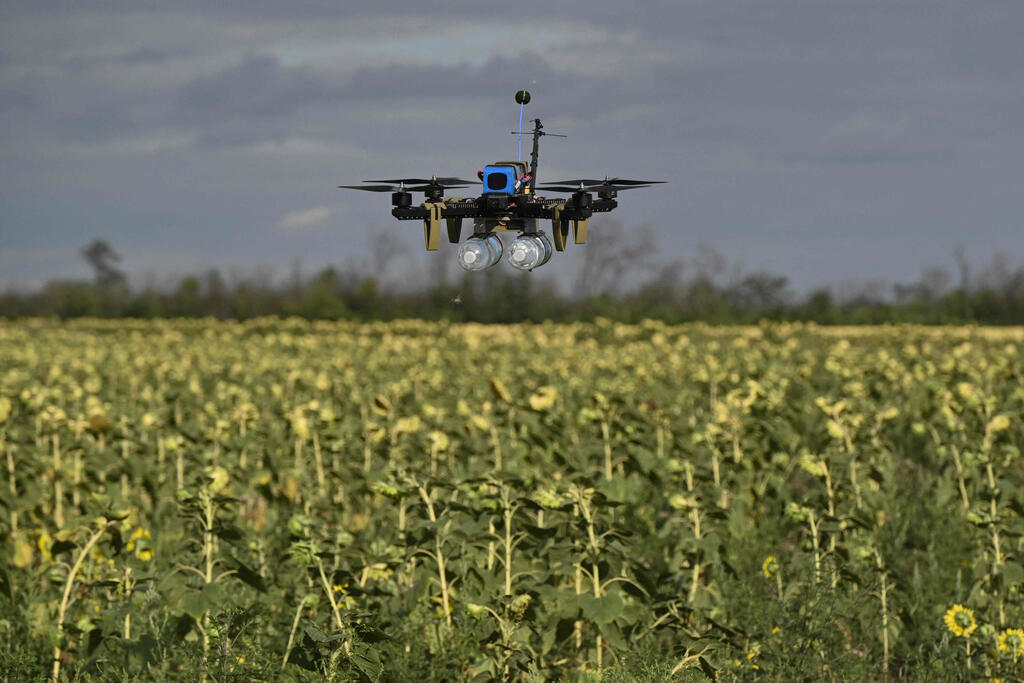
The new headache for air defense systems: An FPV drone
(Photo: Genya SAVILOV / AFP)
One of the key issues in negotiations between the sides was access to the source code of the software that will operate the network. Access to the source code could give Greece greater independence in maintaining, modifying and upgrading the system in the future — an issue that has become an increasingly significant component of advanced defense deals in recent years.
At the heart of the new network is expected to be an advanced command-and-control system that will also incorporate artificial intelligence capabilities.
Using an expensive missile against every drone is not cost-effective
The system will collect data from radars, sensors and various detection systems, identify threats and help forces determine how to respond to them. The main challenge is not only missiles, but also skies increasingly saturated with drones and unmanned aerial vehicles. In a reality where an enemy can launch large numbers of low-cost UAVs, firing an expensive interceptor at every drone is not cost-effective.
The new network is therefore designed to match the type of threat with the appropriate response, so that a relatively simple threat will not necessarily be handled by an expensive and advanced system.
The expected signing on Monday marks another significant stage in the defense relationship between Israel and Greece. For Greece, it is an effort to build a modern, multidimensional defense layer against an evolving threat environment. For Israel, it represents another significant project that deepens defense cooperation with one of Israel’s closest partners in the region.