

The IDF withdrew on Thursday afternoon from the village of Debin in southern Lebanon, in the Marjeyoun area, following understandings under the Israel–Lebanon ceasefire, which Hezbollah has said it will not respect. Immediately after the withdrawal, a Lebanese Army unit removed earth barriers that had been set up by Israeli troops on the road and reopened access to the village.
The Lebanese Army said: “Military units are being deployed gradually following coordination with the ceasefire monitoring mechanism and in coordination with UNIFIL. Specialized units are conducting engineering surveys in the area to remove unexploded ordnance. We call on civilians not to approach the area and to follow the instructions of military units until the deployment is complete.”
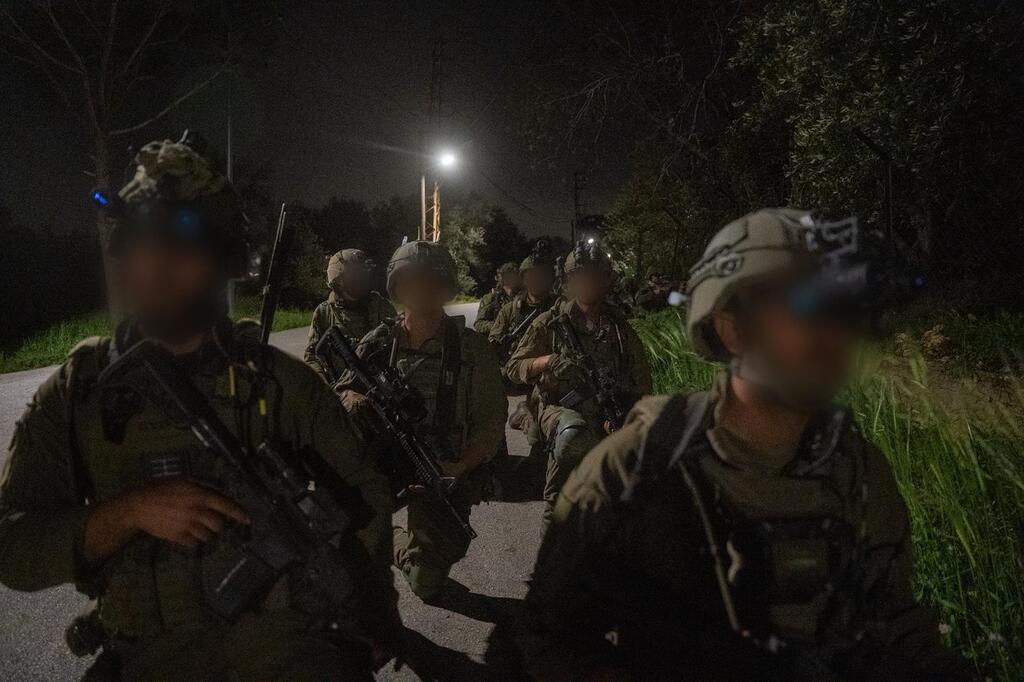
IDF soldiers in the village of Debin, southern Lebanon
(Photo: IDF Spokesperson)
The IDF said this is not a significant withdrawal and that Israel has not pulled back from areas in southern Lebanon at this stage. According to the military, the localized pullback is due to its “dynamic defense” posture, in which forces do not maintain permanent positions. The method involves raids on villages and areas where troops remain for a period of time, clearing them of terror infrastructure based on intelligence, and then moving on to the next targets. The army noted that IDF forces were documented operating in Debin as early as April 2026, during the height of the war.
Former Prime Minister Naftali Bennett criticized the practice at the “2026: From Frontline to Growth” conference hosted by ynet and Yedioth Ahronoth, arguing it stems from a manpower shortage in the IDF that also leads to troop casualties, as soldiers are forced to repeatedly enter the same areas that were previously cleared because the military cannot hold territory with its current force structure.
Lebanon’s Prime Minister Nawaf Salam said that the disarmament of Hezbollah south of the Litani River was not a condition set by Israel and the United States but a Lebanese commitment to the international community dating back to 2006, when UN Security Council Resolution 1701 was adopted. Hezbollah has objected to any agreement while Israeli forces remain in Lebanon, but Salam said that “the Lebanese Army being deployed in pilot areas as a first stage does not negate our right to a full Israeli withdrawal, but brings us closer to it.”
He called on all parties to “work together under the umbrella of the state” in order to “prioritize the interests of the Lebanese above any other interest.”