

Israel and Lebanon agreed Wednesday to renew their fragile ceasefire and create a number of “pilot” security zones inside Lebanon from which Hezbollah militants would be banned.
In a joint statement released after a fourth round of U.S.-mediated talks at the State Department, the two sides said the ceasefire “is contingent on a complete cessation of Hezbollah fire and the evacuation of all Hezbollah operatives” from areas south of the Litani River. It was not immediately clear how the security zones would be established but the agreement calls for the Lebanese army to take full control of those areas.
Gallery
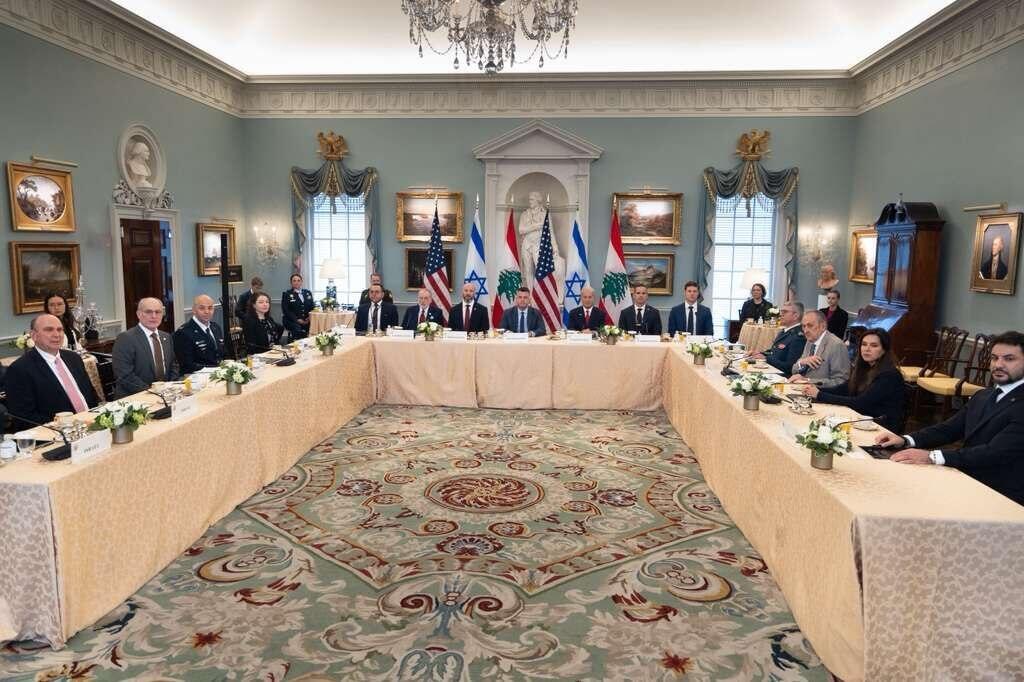
Israel and Lebanon agreed Wednesday to renew their fragile ceasefire
(Photo: David Hertzman, Embassy of Israel)
“These steps will enable progress towards a comprehensive peace and security agreement,” the statement said. “All countries reaffirmed that the future of the relationship between Israel and Lebanon must be decided by the two sovereign governments. They rejected any attempt, by any state or non-state actor, to hold Lebanon’s future hostage.”
The latter is a reference to Iran, which supports Hezbollah and has insisted that Israeli attacks on Lebanon be halted as part of a tentative agreement with the U.S. to end the conflict with Iran. Hezbollah is not part of the Israel-Lebanon talks.
The United States said Hezbollah is not only an enemy of Israel and the U.S., but also a destabilizing force inside Lebanon, and reaffirmed its continued support for the Lebanese Armed Forces, including efforts to enhance its ability to enforce sovereignty nationwide.
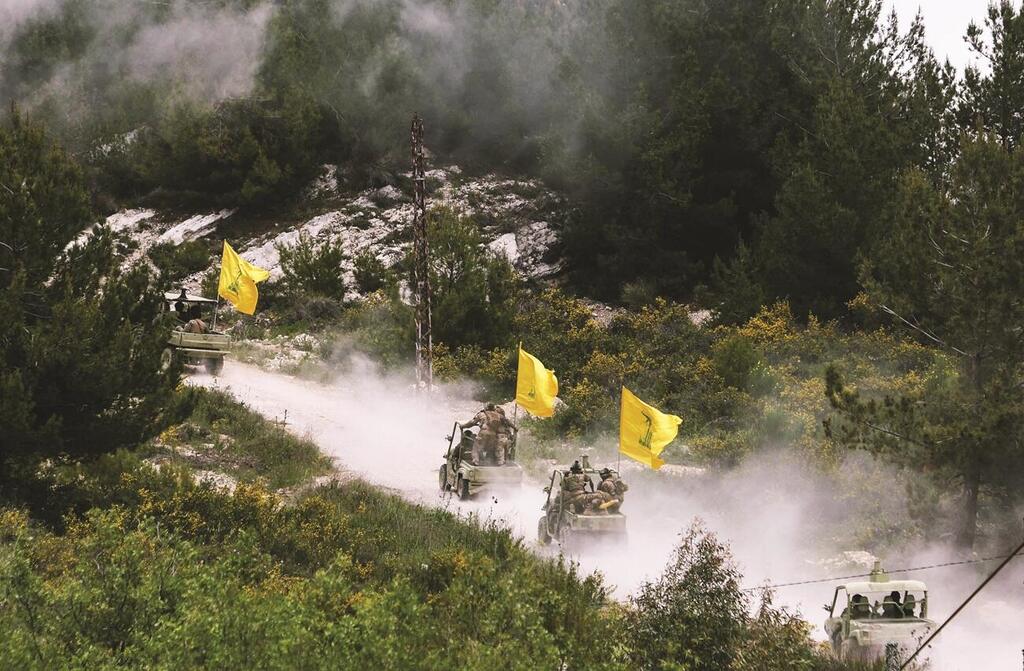
Israel and Lebanon agreed to create a number of 'pilot' security zones inside Lebanon
(Photo: Aziz Taher/Reuters)
The parties are expected to resume political and security talks during the week of June 22, with the aim of advancing toward a more comprehensive agreement. Washington said it will continue facilitating communication between the sides in the interim.
The announcement comes amid continued tensions on the ground, including recent Hezbollah rocket and drone fire into northern Israel, and following reports that Israeli plans for strikes in Beirut’s Dahiyeh district were halted after U.S. intervention. U.S. President Donald Trump was said to have supported understandings that any future Hezbollah attacks on Israeli cities could trigger Israeli strikes in Beirut, though no such strikes have taken place so far.