

In a delayed move, the ministerial procurement committee this week approved a plan to significantly accelerate production of Arrow 3 interceptor missiles, against the backdrop of the ongoing war with Iran and frequent ballistic missile fire toward Israeli cities. The approval comes following a months-long dispute between the Defense and Finance ministries over how to fund the procurement even as interceptor stocks were becoming severely depleted.
The committee, chaired by Defense Minister Israel Katz, authorized the Defense Ministry to place additional orders with Israel Aerospace Industries (IAI) and expand infrastructure to boost manufacturing capacity. The scope of the deal, including the number of interceptors, remains classified for security reasons.

Previous Arrow-related contracts signed over the past two years are estimated at several billion shekels. Each Arrow 3 interceptor is believed to cost more than $2 million, and since the outbreak of the October 7 war the system has served as Israel’s primary defense against ballistic missiles from Iran and Yemen.
Senior defense officials stressed the urgency of the decision. Defense Ministry Director-General Amir Baram, IAI CEO Boaz Levy and Missile Defense Organization head Danny Gold all underscored its importance. “Accelerating production and expanding procurement of Arrow missiles is a vital step to maintaining the IDF’s qualitative edge and strengthening defense of Israel’s civilian and military home front,” Gold said.
However, the public messaging masked a prolonged budget dispute between the Defense and Finance ministries that delayed the decision for months. At the center of the disagreement was how to fund the procurement. Without a budget agreement, orders could not be placed and production could not be scaled up.
Following what was initially framed as a decisive victory in the first round of fighting, the Finance Ministry resisted defense demands, viewing the moment as an opportunity to rein in a defense budget that has exceeded 140 billion shekels. Officials expected the Defense Ministry to absorb the cost. Defense officials, for their part, warned that the current war with Iran is only a prelude to a more complex future confrontation.
During the latest conflict, Israel expanded its use of the David’s Sling system — originally designed for mid-range threats — to intercept ballistic missiles. Arrow 3 interceptors operate outside the atmosphere, while David’s Sling intercepts threats at lower altitudes. In cases involving cluster warheads, lower-altitude interception does not prevent widespread dispersal of submunitions, whereas exo-atmospheric interception, as with Arrow 3, causes most debris to burn up upon reentry.
Officials said the shift in interception policy was partly aimed at managing interceptor stockpiles and maintaining readiness for future scenarios.
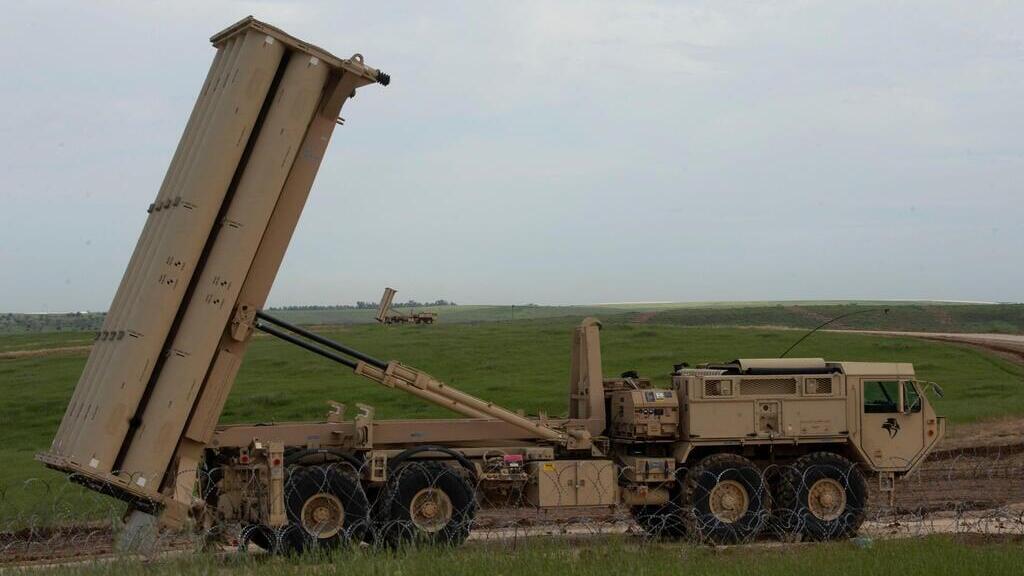
THAAD missile defense system
(Photo: AFP / HANDOUT / DVIDS / US ARMY)
Israel does not disclose its interceptor inventory, nor interception rates. Since Oct. 7, more than 1,300 ballistic missiles have been launched at Israel from Iran and Yemen. Many were intercepted by Arrow systems, while others were handled by U.S. systems such as Aegis and THAAD.
A recent report by the UK-based Royal United Services Institute (RUSI) estimated that interceptor stocks have been significantly depleted — with Arrow inventories down by about 80% and David’s Sling by roughly 55%, while THAAD interceptors deployed to defend Israel have been reduced by half.
Defense officials rejected those assessments as exaggerated, noting that Arrow production has continued uninterrupted since October 2023 and intensified after Iran’s first major missile barrage in April 2024. Production has tripled over the past year, aided in part by major export deals with Germany worth about $6.5 billion, whose advance payments helped sustain manufacturing despite budget constraints.
According to the Defense Ministry, the newly approved procurement plan will further increase production rates in the coming months.
Both the Defense and Finance ministries have sought to downplay the delay. “There was no case of a missile that could have reached the IDF and didn’t because of budget issues,” a Finance Ministry official said. A defense source said production had continued at an accelerated pace, and any delays were limited to the expansion plan and were addressed through interim solutions.
Amid the budget standoff, Baram and former Accountant General Yali Rothenberg reportedly signed a commitment to IAI guaranteeing that any expenses incurred in accelerating production would be covered.
Throughout this period, Katz and minister in charge of government companies Dudi Amsalem were also engaged in internal political disputes, including over leadership at IAI. Alongside the approval of the missile production plan, Katz announced a move to resolve the prolonged dispute over the company’s chairmanship, backing the appointment of CEO Boaz Levy to the role.
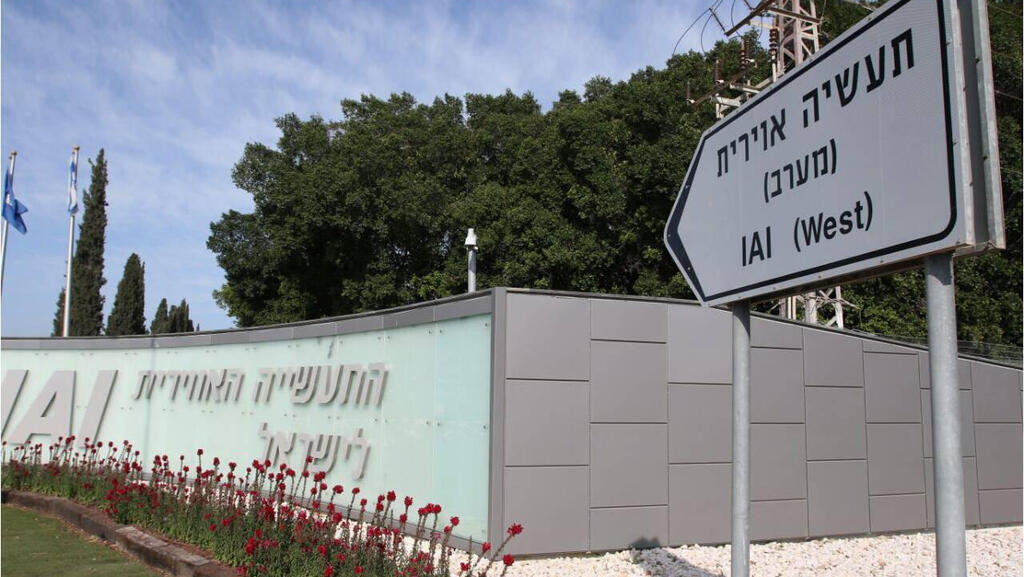
(Photo: Avi Moalem)
Levy, a veteran of IAI who previously led its missile programs and the MLM division that produces the Arrow system, is widely seen as a professional and qualified choice. During his five years as CEO, IAI posted record financial results, with its order backlog surpassing $30 billion.
However, the transition raises governance concerns, as Levy would move directly from CEO to chairman without a cooling-off period and could be required to oversee decisions he previously made. The Government Companies Authority has reviewed the issue and proposed legal safeguards through conflict-of-interest arrangements.
Levy is expected to step down as CEO before assuming the chairmanship. His appointment will be reviewed next week by the committee for senior public sector appointments, chaired by retired judge Shulamit Dotan. Pending approval, the board is expected to formally elect him chairman on the 19th of the month.
He is expected to appoint an interim CEO while a search committee identifies a permanent successor within about three months, likely from within IAI’s senior management.
Officials also view Levy as well-positioned to advance a planned partial privatization of IAI, involving the sale of 30% of the company at an estimated valuation of 80–100 billion shekels. The Defense Ministry has recently signaled its support for similar moves involving IAI and Rafael, with the process expected to take about a year.
First published: 12:38, 04.09.26