


Who will get us out of the traffic jam? In 20 days, Israelis will head to the polls as the daily reality on the country’s roads becomes increasingly unbearable. We examined how the parties plan to tackle the serious problems facing public transportation in Israel and which will continue to oppose buses and trains operating on Shabbat (Saturday). We also looked at what civil society organizations are urging politicians to do to genuinely address the difficult transportation challenges Israelis face every day.
Delays and rising costs
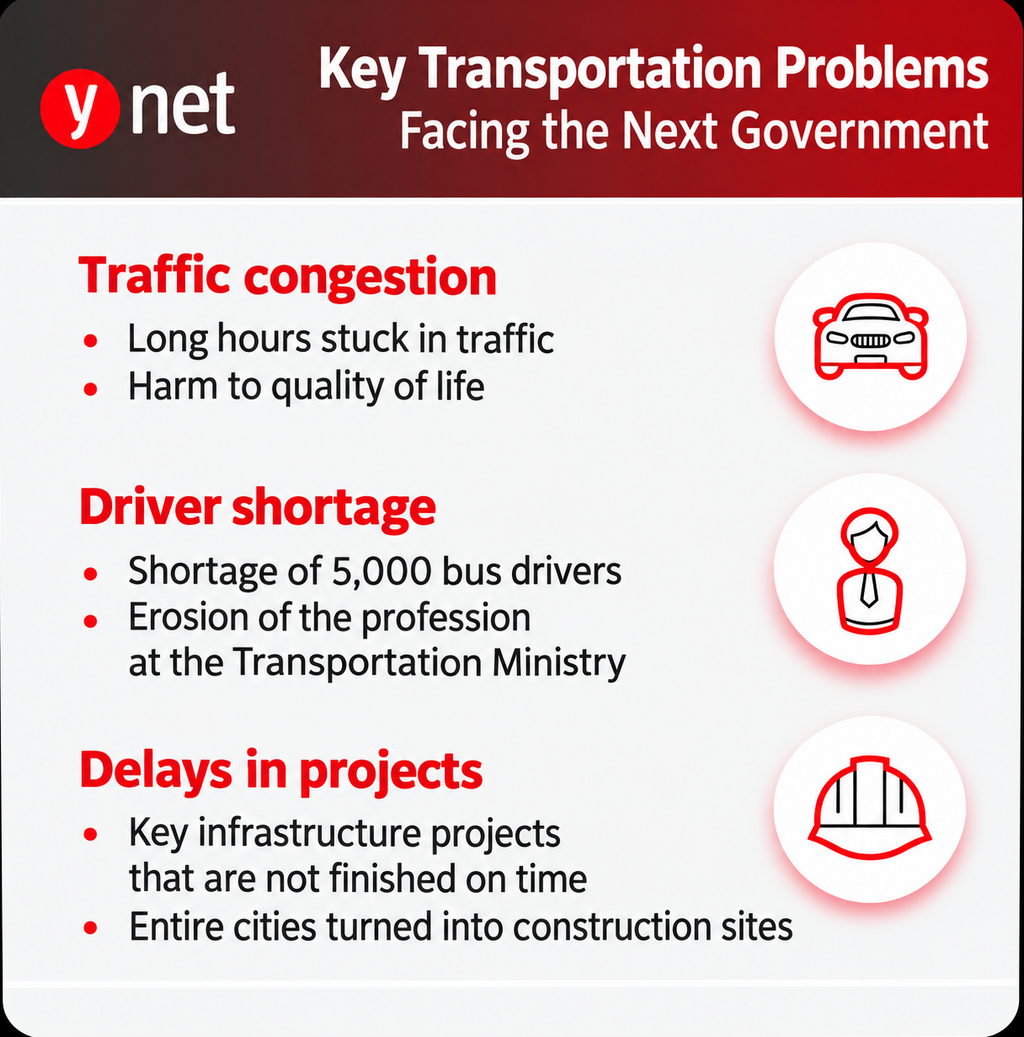
Transportation Minister Miri Regev’s tenure has been marked by a fare reform that drew criticism for favoring certain sectors, with further price increases expected. At the same time, numerous projects have been delayed, entire cities look like construction sites and political tensions, along with changes among the ministry’s professional staff, have held up critical initiatives.
While some parties did not address transportation at all in their platforms, those that addressed it are proposing different approaches to resolving the crisis. The Beyachad party has presented the most comprehensive and detailed plan, drafted by Keren Terner, a former director general of both the Transportation Ministry and Finance Ministry who is seeking to become transportation minister in the next government.
The key innovation in Beyachad’s plan is an overhaul of the way public transportation companies are compensated, based on the “Amsterdam model.” The state currently pays operators according to the number of kilometers traveled, a model that incentivizes the creation of long, winding routes that often run largely empty. The plan proposes shifting to compensation based on the actual number of passengers and strict service-quality metrics, including punctuality, cleanliness, seat availability and passenger satisfaction. It also calls for broad decentralization of authority to local governments and for the private sector to take over implementation of major infrastructure projects.
The Democrats have placed a sweeping budgetary and environmental commitment at the center of their transportation platform: allocating 80% of the Transportation Ministry’s budget to public transportation development, alongside a plan to acquire 4,000 new electric buses. The party is proposing a distinctive model for transitioning to clean, green transportation within cities, pledging to pass legislation establishing metropolitan transportation authorities and implement a national emergency plan to address the driver shortage, including direct pay raises and designating drivers as public employees.
Yisrael Beytenu is focusing on infrastructure solutions, connecting outlying areas and reducing travel times. At the heart of the party’s approach are more frequent train and bus service, dedicated public transportation lanes on major intercity and urban roads and the advancement of modern mass-transit projects.
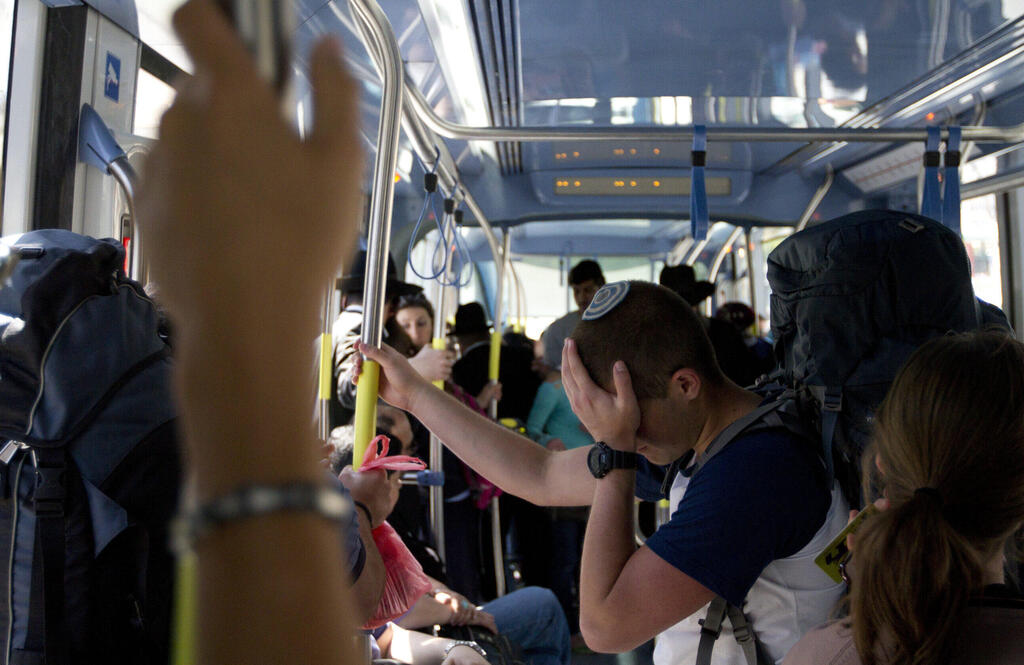
Passengers on a crowded bus
(Photo: Omer Messinger, Yedioth Jerusalem)
The Yashar! party is placing regulatory and structural change at the center of its transportation platform. The party has pledged to immediately pass legislation establishing metropolitan transportation authorities, arguing that only by transferring management and planning powers to local and regional governments can public transportation routes be adapted to residents’ actual needs.
Likud continues to favor centralized government planning and management. Its platform focuses on “connectivity,” linking outlying areas with central Israel through the development of rail networks, high-speed trains and major national infrastructure projects while keeping management and budgetary authority in the hands of the central government.
The Shabbat issue
Public transportation on Shabbat also features prominently in some of the parties’ platforms. While parties including the Democrats, Yisrael Beytenu and Beyachad support allowing local governments to operate public transportation on weekends in accordance with the character of their communities, Likud opposes such a move in order to preserve the status quo.
In an appeal to all parties running in the election the Public Transportation Forum presented a firm position paper aimed directly at shaping the next coalition agreements. The organizations stressed that resolving the crisis will require more than additional funding and will instead demand fundamental changes to management, planning and compensation methods.
One of the forum’s main proposals is to break up the Transportation Ministry’s centralized control. The ministry in Jerusalem currently attempts to manage thousands of bus routes across the country, creating cumbersome bureaucracy, delays and services that do not adequately reflect local needs. The forum is calling for the establishment of metropolitan transportation authorities that would assume those powers.
The forum is also demanding a sweeping overhaul of public transportation tenders and a transition to a compensation system based on service quality and the actual number of passengers. Another critical solution at the center of the organizations’ proposals is a national emergency plan to address the severe shortage of some 5,000 bus drivers. The plan would include higher wages, upgrading drivers’ status to that of public employees, improving welfare facilities at route terminals and accelerated training programs.
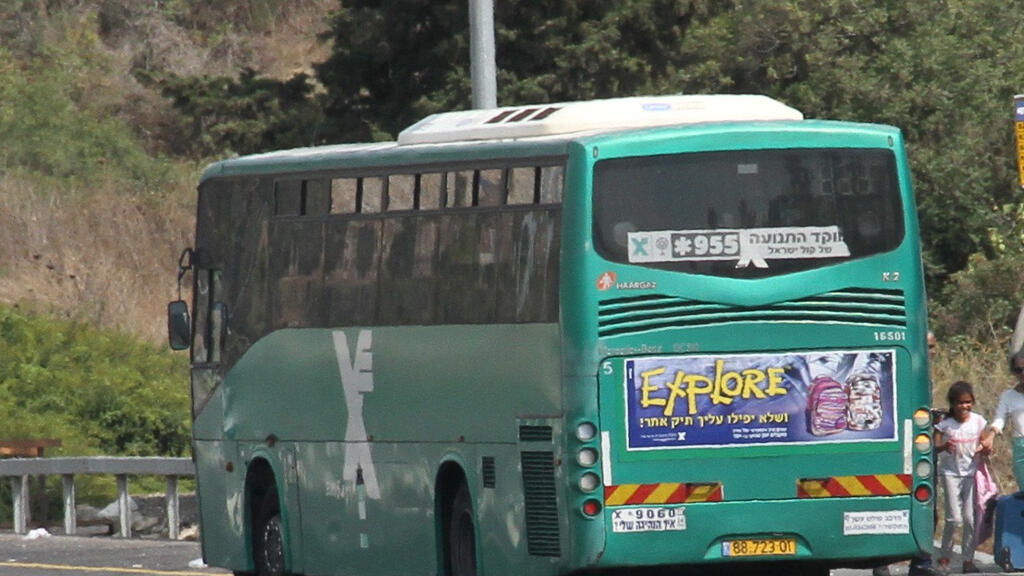
The main obstacle to implementing reform: structural resistance within the Transportation Ministry
(Photo: Zohar Shahar)
Sivan Shmuelovitz, CEO of 15 Dakot, an Israeli advocacy organization dedicated to improving public transportation in Israel, said: “There are deep gaps in the system that ultimately affect our wallets, the cost of living and our quality of life. We are proposing practical solutions that can work for everyone, some of which can be implemented almost immediately.”
She emphasized the direct connection to the cost of living: “Good public transportation determines whether a person can get to a good job without owning a car, whether a family can live in the periphery and still have access to opportunities and whether we spend our lives sitting in traffic instead of spending time with our families.”
Even after the next government is formed and a new transportation minister is appointed, implementing the necessary reforms will not be simple. The main obstacle the incoming government is expected to face is structural and bureaucratic resistance within the Transportation Ministry itself, including concerns about relinquishing authority and budgets to local governments. In addition, the depth of the ministry’s management crisis, following an exodus of professional staff and senior officials in recent years, poses a significant obstacle to implementation.
According to Shmuelevitz, after the election, the real test for the next transportation minister will not be ceremonial declarations or campaign promises, but the ability to move immediately to implementation, mobilize professional officials and build a reliable, efficient and safe transportation system.
Shmuelevitz concluded: “There are deep gaps in the system that ultimately affect our wallets, the cost of living and our quality of life. We are proposing practical solutions that can work for everyone, some of which can be implemented almost immediately.”