



After more than two years of delays and mounting public pressure, the coalition is preparing to advance legislation that could lead to the formation of a state commission to investigate the failures surrounding the October 7 Hamas attack — but not without controversy over the scope and composition of the inquiry.
The proposed commission, which would replace a formal state inquiry as defined by law, is expected to be introduced during the Knesset’s winter session beginning Sunday. Senior coalition officials say the plan involves appointing a judge agreed upon by both coalition and opposition parties, with the commission itself composed of members from both sides in equal numbers. The exact legal wording has not been finalized.
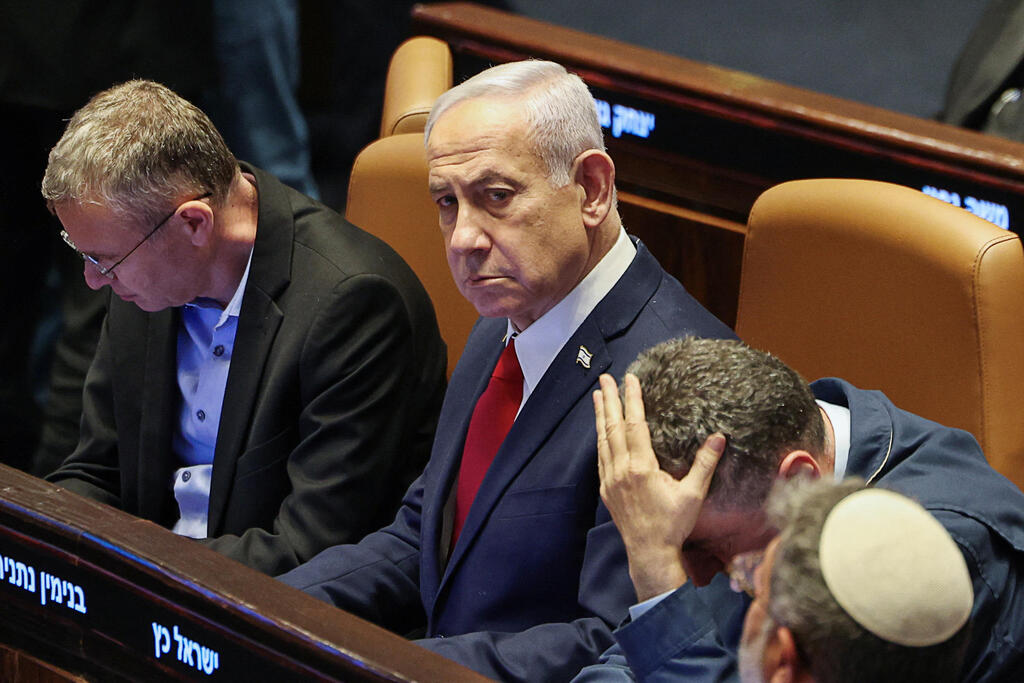
While the commission would retain investigative powers under current law, changes being considered could significantly depart from existing legislation, sparking concern and likely opposition from bereaved families, many of whom have demanded a full, independent state inquiry.
The renewed push follows a High Court of Justice ruling last week that ordered the government to provide an update within 30 days on the establishment of a national investigative body. The justices wrote that there was “no real dispute” over the need for a commission with broad authority to examine the events of October 7 and issue formal recommendations.
Still, legal ambiguity remains. The court avoided using the term “state commission of inquiry,” instead referencing a “national commission,” leaving room for interpretation and legal debate over the exact structure and authority of the proposed body.
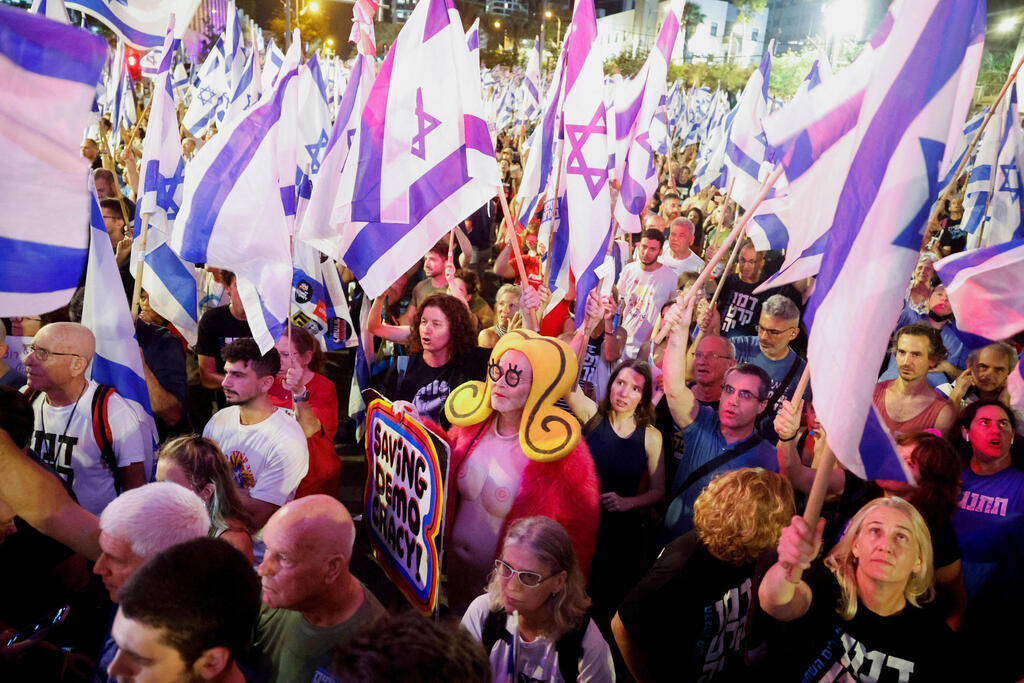
Anti-government protest in Tel Aviv
(Photo: Reuters/Amir Cohen)
A senior Likud official told Ynet that while the coalition wants to avoid confrontation, it insists the commission should examine failures “going back years,” including the role of the judiciary, defense ministers and even the protest movement against Prime Minister Benjamin Netanyahu that preceded the war. “We don’t trust Chief Justice Yitzhak Amit to do that,” the official said.
Currently, two legislative drafts are circulating in the Knesset, including one sponsored by Likud lawmaker Ariel Kallner in coordination with party spokesman Guy Levy. However, recognition that any version of the law could provoke a strong backlash from the families of those killed or abducted in the October 7 attack has so far stalled progress.
Back in May, the government rejected calls to form a formal state inquiry, citing ongoing military operations. At the time, it instead proposed creating a “special commission of inquiry” outside the existing legal framework.
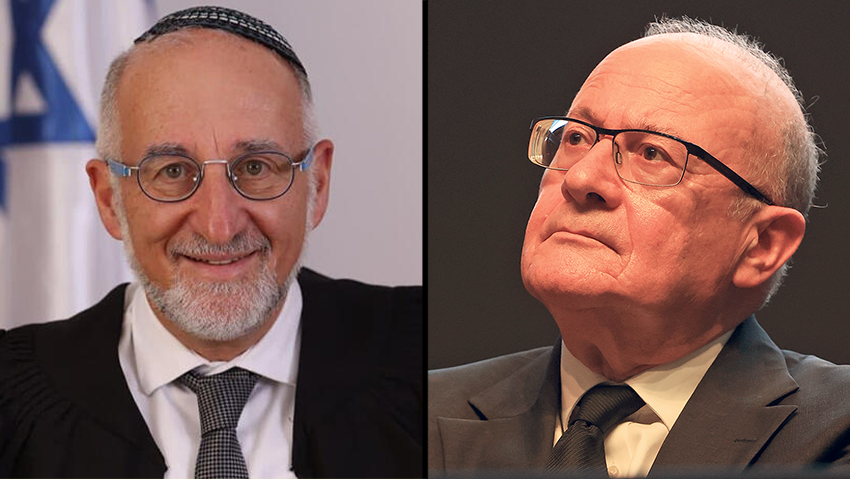
Retired judge Asher Kola; retired Supreme Court Justice Yosef Elron
(Photo: Israeli Judicial Authority, Elad Gershgron)
Now, with the war declared over by U.S. President Donald Trump and the last living hostages returned from Gaza, the government is under renewed pressure to act. The main challenge remains reconciling the coalition’s desire for broader scrutiny with public demands for a focused, transparent investigation.
Among the judges being considered for leading the commission are retired Supreme Court Justice Yosef Elron, a favorite of Justice Minister Yariv Levin, and Asher Kola, recently appointed by Levin as the judicial ombudsman.
The outcome of this legislative process may determine not only the scope of accountability for the deadliest attack in Israel’s history, but also the public’s trust in how the state reckons with its own failures.