


A major change in U.S. green card policy could force many Israelis seeking permanent residency to leave the United States and complete the process at the U.S. Embassy in Israel, raising the risk that some may be unable to return for months, or at all.
U.S. Citizenship and Immigration Services announced Friday that consular processing abroad will become the default route for many green card applicants. Until now, Israelis already living legally in the U.S. could often complete the final stage of the process from within the country through a procedure known as adjustment of status.
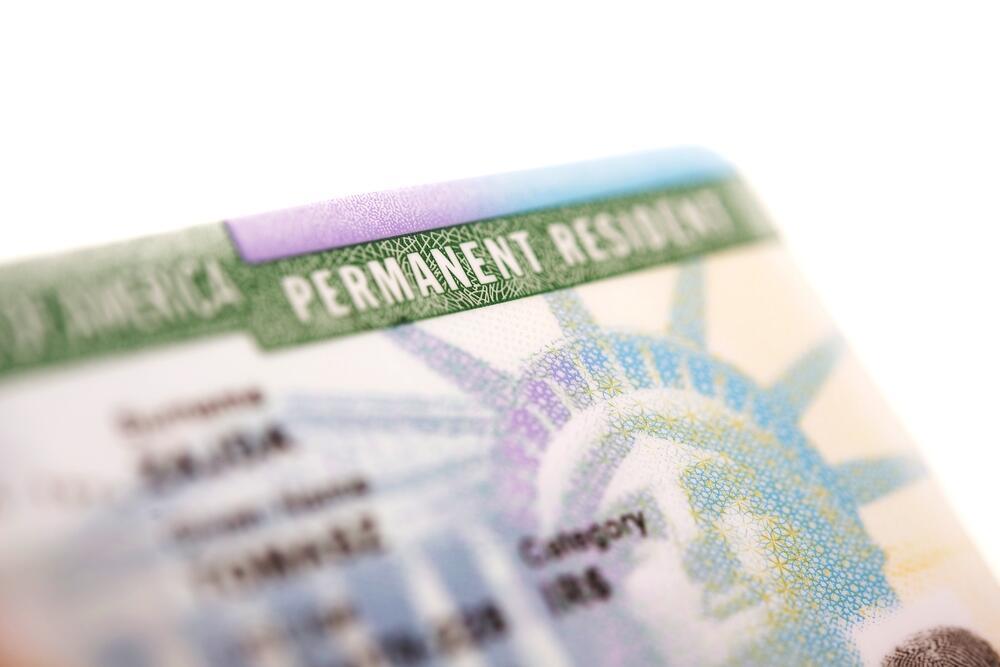
(Photo: Virrage Images / Shutterstock)
The change is especially significant for Israelis who moved to the U.S. for work, studies or family reasons and later began a green card process through an employer, a spouse or another eligible family member. Under the new policy, many of them may be told to return to Israel, attend an immigrant visa process at the U.S. Embassy and wait outside the United States while their case is reviewed.
Attorney Liam Schwartz, head of the relocation practice at Goldfarb Gross Seligman, said the official explanation from the Trump administration is that green card applicants were always meant to complete the process through a U.S. embassy in their home country.
“Unofficially, this is a tightening of immigration policy,” he said. “The Trump administration has been working since January 2025 to reduce immigration and deport as many people as possible who are in the United States unlawfully, based on the view that the Biden administration made it easier for migrants to enter, mainly through the border with Mexico.”
For Israelis, the biggest danger is not merely having to fly back to Israel. It is the possibility that leaving the U.S. could trigger legal barriers to returning, particularly for those who overstayed a visa, worked without authorization or have any criminal or immigration violation in their record.
Schwartz said Israelis who have been in the U.S. unlawfully for a long period and apply for a green card may now have to leave for Israel, submit the request through the embassy and ask for a waiver for having remained in the United States beyond the permitted period.
“The shorter the period of unlawful stay, the better the chances that the request will be approved,” he said.
The policy could also affect Israeli families in which one spouse is a U.S. citizen and the other is Israeli. In cases where the Israeli spouse previously expected to remain in the U.S. during the process, the couple may now face months of separation if the applicant is required to travel to Israel and wait for approval there.
The same concern applies to Israelis sponsored by American employers. A company that invested in bringing an Israeli worker to the U.S. could find that the employee must leave the country for an extended period while the green card process is completed abroad.
Green card processing can take about a year, meaning applicants required to leave could spend a long time away from their spouse, children, job and daily life in the United States.
The practical details remain unclear. It is not yet certain whether USCIS will broadly block adjustment-of-status applications or whether some applicants will still be able to complete the process from within the U.S. if they can show special circumstances.
According to Schwartz, Israelis seeking to remain in the United States while their case is pending will likely need to present strong reasons for an exception. Those could include having no criminal record, maintaining lawful status, or showing that their work benefits the U.S. economy, such as contributing to local technology development, creating training opportunities or employing American workers.
The timing of the announcement, just before the long Memorial Day weekend, added to uncertainty over when the change will take effect. Schwartz said the administration is presenting the move not as a new policy but as a stricter interpretation of existing rules, which could mean it is applied quickly.
For Israelis already in the green card process, the immediate message is caution. A decision to leave the United States could carry consequences that are difficult to reverse, while staying may require a stronger legal argument than before.