

Master Sgt. (res.) Ran Hirschorn, 32, of Jerusalem, a platoon sergeant in the Carmeli Reserve Brigade, died after suffering a stroke. Hirschorn served more than 400 days of reserve duty in Lebanon and Gaza during the Swords of Iron war.
He is survived by his parents, siblings, his wife and two young children, ages 3 and 2. He was laid to rest Tuesday at the military cemetery on Mount Herzl in Jerusalem.
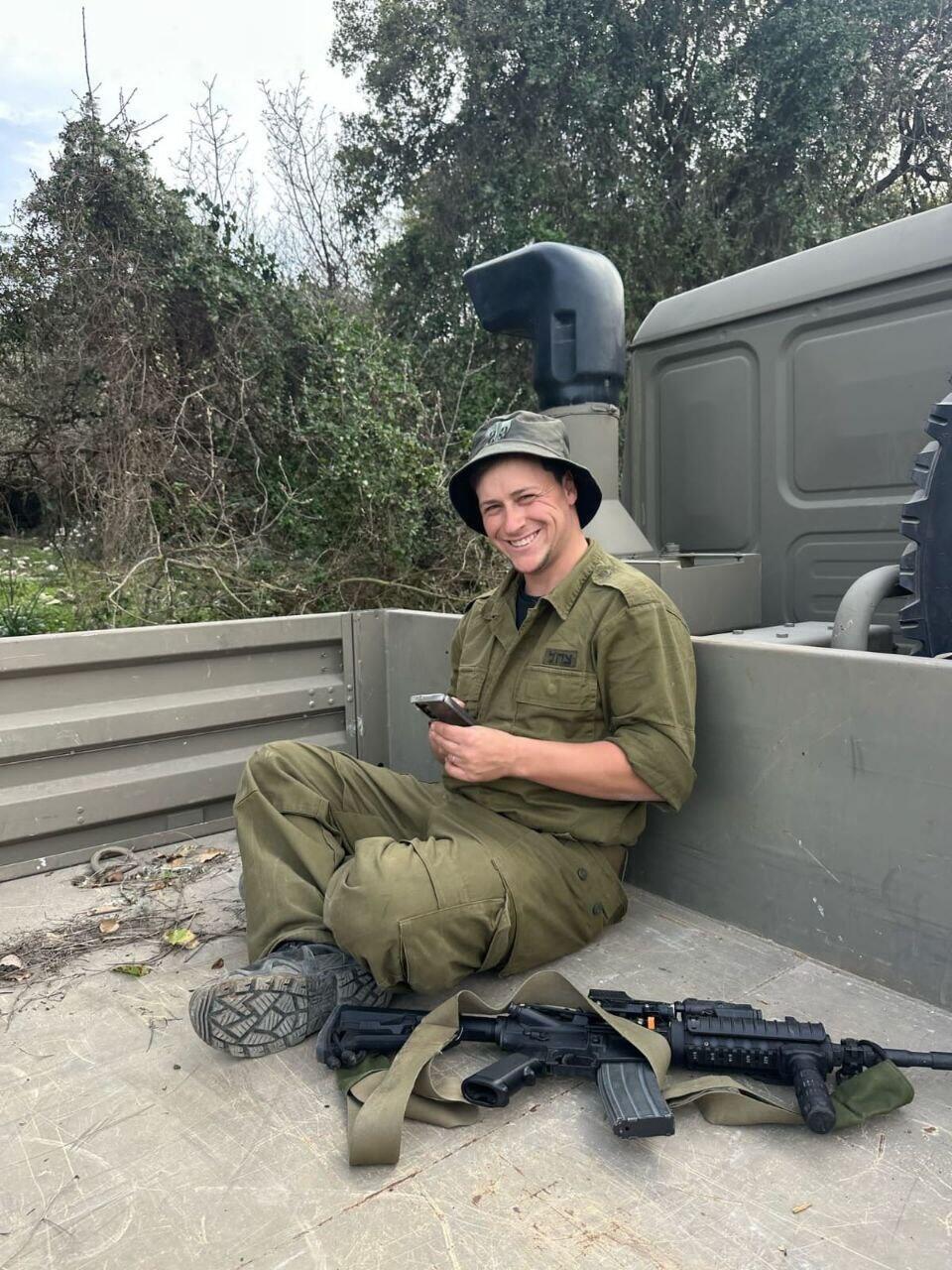
Hirschorn felt pain in his neck last week while at home during another round of reserve duty and managed to call his wife, Miriam, who came to their apartment. He was evacuated to Shaare Zedek Medical Center in Jerusalem, where he was hospitalized until his death.
Hirschorn grew up in Neve Daniel and lived in Jerusalem. He was a teacher and educator at the state religious elementary school Hoker Yotzer in the Katamon neighborhood of the capital.
“Ran rushed out on October 7 and called up his entire platoon that same day,” his older brother, Yonatan, said. “My mother told Ran that maybe he didn’t need to do so many days of reserve duty. ‘Let someone else do it,’ she told him, and Ran answered her, ‘It’s a privilege. It’s a privilege to serve.’”
Referring to the large number of reserve days his brother served during the war, Yonatan said: “We’re not looking for someone to blame in our family. We always say, ‘Don’t look for blame, look for God.’ There is a message here. We need to overcome the pain and see the message. Of course you can make connections, but everything is cause and effect.”
'I wish I had teachers like that'
Despite his young age, Hirschorn served as a homeroom teacher, including during the war. Over the past year, for the sake of his students and because of his many reserve duty days, he decided to take on a different role at the school and not continue in that position.
“I had the privilege of visiting him at his school,” Yonatan said. “Seeing him there was amazing, it was moving. It’s also a source of pride for an older brother to see a younger brother in a classroom. I wish I had teachers like that in elementary or high school.”
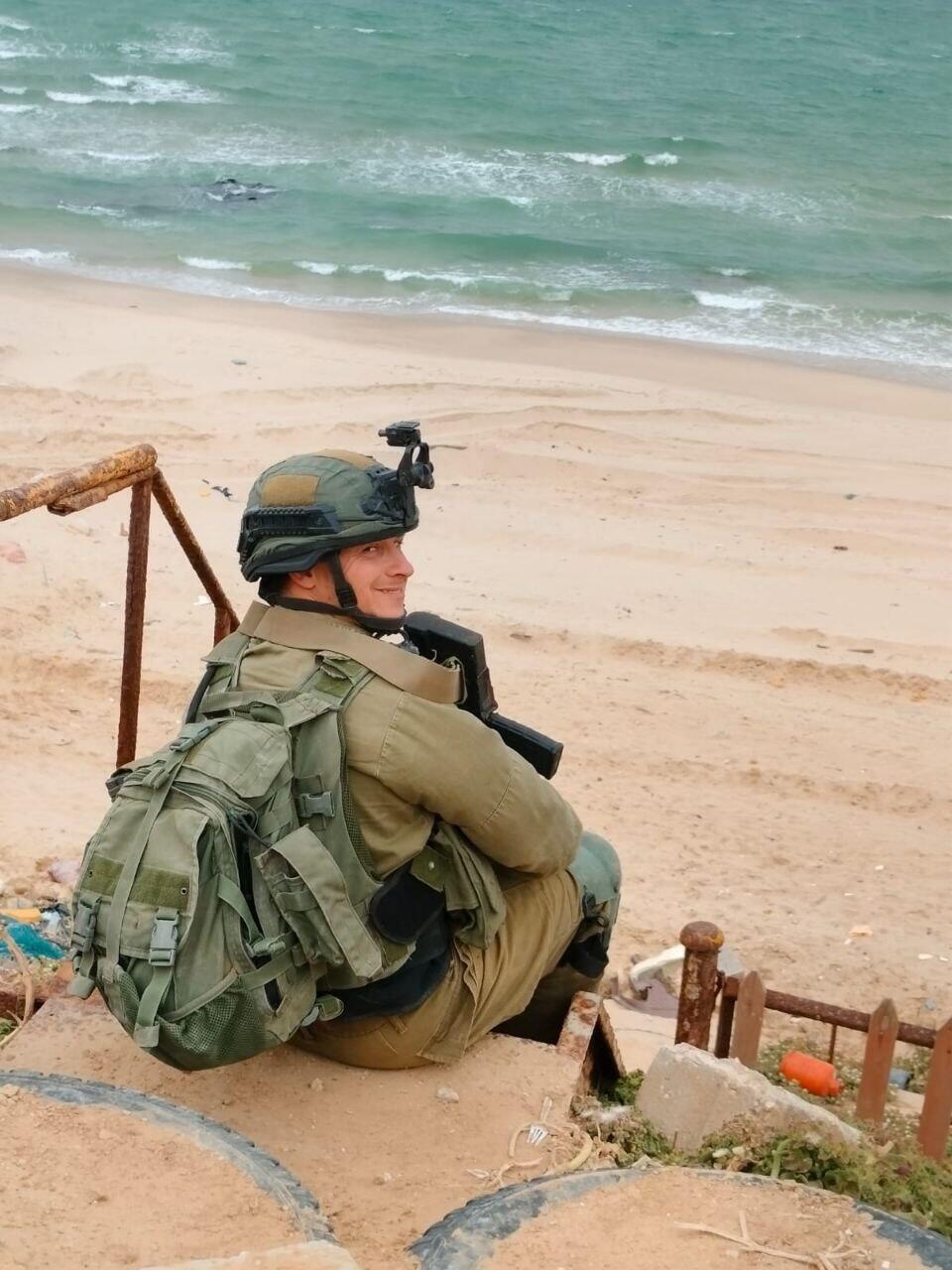
Ran Hirschorn
Yonatan described his brother as “the youngest in the family, a quiet, modest, introverted guy, someone who didn’t want the spotlight but when something needed to be done, he would get up and do it.”
He added: “Ran was a healthy, young man who loved games, especially soccer. He played in Beitar Jerusalem’s youth team, and at the start of the war he even used soccer to help relieve tension among the soldiers in his platoon when they were stationed on the Lebanese border. He saw the world as a game — God’s stage and we are the players.”
After his death, Hirschorn’s family decided to donate his organs. Yonatan said the ophthalmologist who harvested his corneas for transplant told them Hirschorn had perfect eyes. “We told ourselves that whoever receives his eyes will have the best life,” Yonatan said, “because Ran had a good eye for everyone. He knew how to unite people.”