

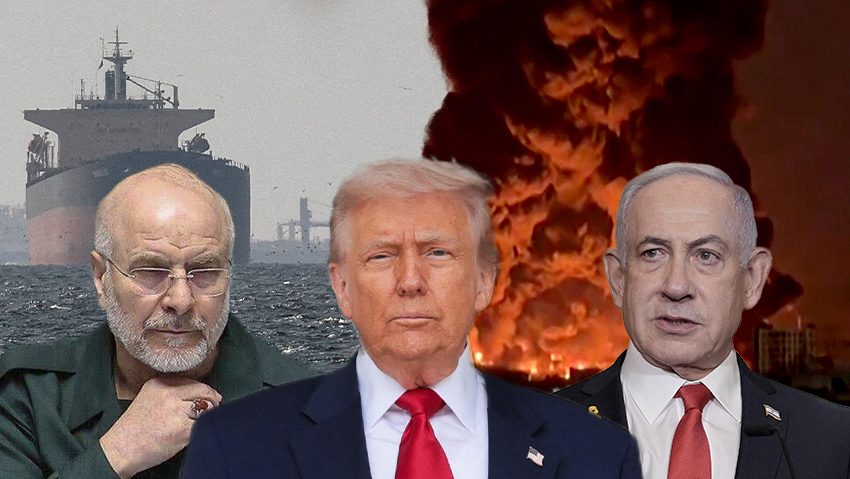
Israel is on alert for the possibility of renewed fighting with Iran if talks between Washington and Tehran collapse, as officials track shifting signals from U.S. President Donald Trump, who has alternated between optimism about a deal and warnings that the United States could resume strikes.
Israeli officials said it remains unclear how the situation will develop. “It’s too early to know where this is going,” one official said, noting that while Trump appears eager to reach an agreement, Iran is maintaining a hard line. Trump has said he will not allow Iran to “blackmail” the United States following Tehran’s renewed closure of the Strait of Hormuz.
Gallery
(Photo: AFP - SOURCE: UGC / UNKNOWN, REUTERS/Jessica Koscielniak/Stringer, Oliver CONTRERAS/AFP)
Pakistan continues to mediate between the sides. While no breakthrough has been announced, a Pakistani official told Saudi media that Iran had proposed transferring enriched uranium to Pakistan, a move that could be significant if confirmed as part of a broader agreement.
At the same time, Iran’s Revolutionary Guards said the Strait of Hormuz would remain closed until the U.S. lifts its naval blockade, warning vessels not to move from anchor points in the Persian Gulf or the Sea of Oman and saying ships approaching the strait would be treated as cooperating with an enemy and could be targeted. Israeli officials view the move as increasing the likelihood of renewed conflict.
In Israel, security officials say preparations are in place for a rapid escalation, with the Israeli Air Force on high alert and target lists prepared. There has been no change in Home Front Command guidelines, and schools are set to reopen fully nationwide starting Sunday, including in northern border communities, though officials stress the situation remains fluid ahead of Memorial Day and Independence Day.
The ceasefire in Lebanon also remains fragile. Trump sparked concern in Israel after saying that Israel should not carry out strikes in Lebanon, reflecting frustration in Washington over continued Israeli activity within what Israeli officials describe as a new “yellow line” security zone in southern Lebanon.
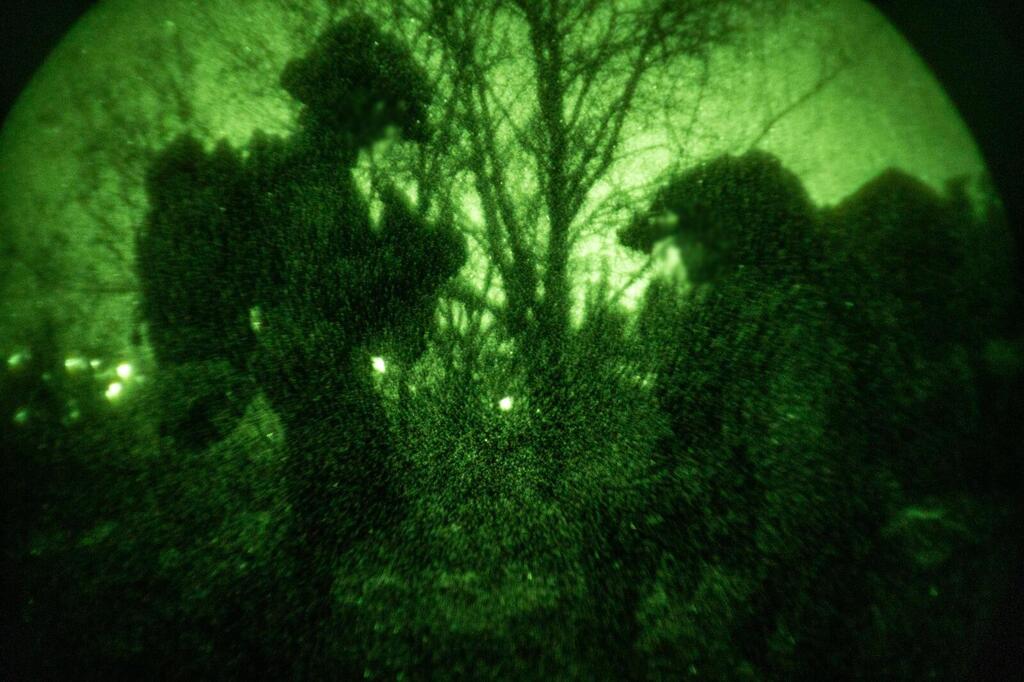
IDF forces in Lebanon
(Photo: IDF)
A U.S. official later clarified that the ceasefire allows Israel to act in self-defense against imminent or ongoing threats.
Hezbollah leader Naim Qassem continued to issue threats, criticizing diplomatic efforts and warning that the group’s operatives would remain ready. He outlined demands including a halt to Israeli military activity, a withdrawal from Lebanese territory, the release of prisoners, the return of displaced residents and reconstruction support.
Trump, speaking to reporters, said the situation in Lebanon is not directly tied to negotiations with Iran, though he acknowledged a possible indirect connection. He described Israel’s prime minister as a strong partner but said the two sides do not always agree.
Conflicting messages from Washington have added to uncertainty around the negotiations, as the ceasefire deadline approaches and the risk of renewed fighting remains.