

Amid concern within the military over a drastic, large-scale cut to the U.S. military aid program to Israel that is to be approved this year and begin in 2028, and even the risk that it could be the last such package, IDF Chief of Staff Lt. Gen. Eyal Zamir will on April 1 launch the first year of his five-year multiyear plan. The plan is intended to reshape the Israel Defense Forces and embed the lessons of the war that erupted after the October 7 massacre.
The IDF General Staff’s Planning Directorate is expected soon to finalize the formal plan document, which will instruct the military to begin implementing the ambitious five-year program starting in April. Similar plans have repeatedly collapsed over the past 15 years because of budget disputes with the Finance Ministry, security escalations or the absence of an approved state and defense budget, including in 2019 and 2020 amid repeated election cycles. For these reasons, major and critical procurement deals for the IDF, such as fighter jet and aerial refueling squadrons, were also delayed.
Air Force jets launched strikes in Iran in June last year
(Photo: IDF)


There is realistic concern in the military that this could happen again soon, as the Knesset may dissolve before a state budget is approved by March. Even so, the IDF is moving forward on the understanding that some elements of the plan will not require annual or biennial funding and will be primarily organizational, such as new combat doctrines, force structure and improvements to IDF culture.
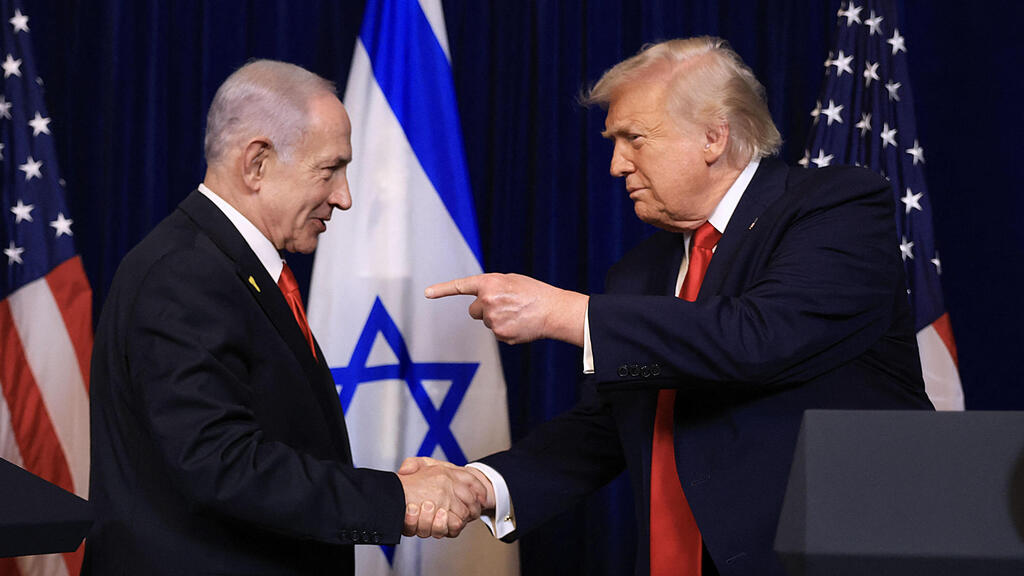
Adding to the election cloud is another concern, voiced in recent days by Prime Minister Benjamin Netanyahu, among others, following his meeting last month in Florida with US President Donald Trump. Republicans have repeatedly urged Trump to end the historic and long-standing US military aid memorandum of understanding with Israel, which is renewed every decade and was last renewed about 10 years ago as the largest such package ever. In an interview with The Economist published last weekend, Netanyahu said he intends to reduce US aid to zero within a decade and that the American president has been informed of this goal.
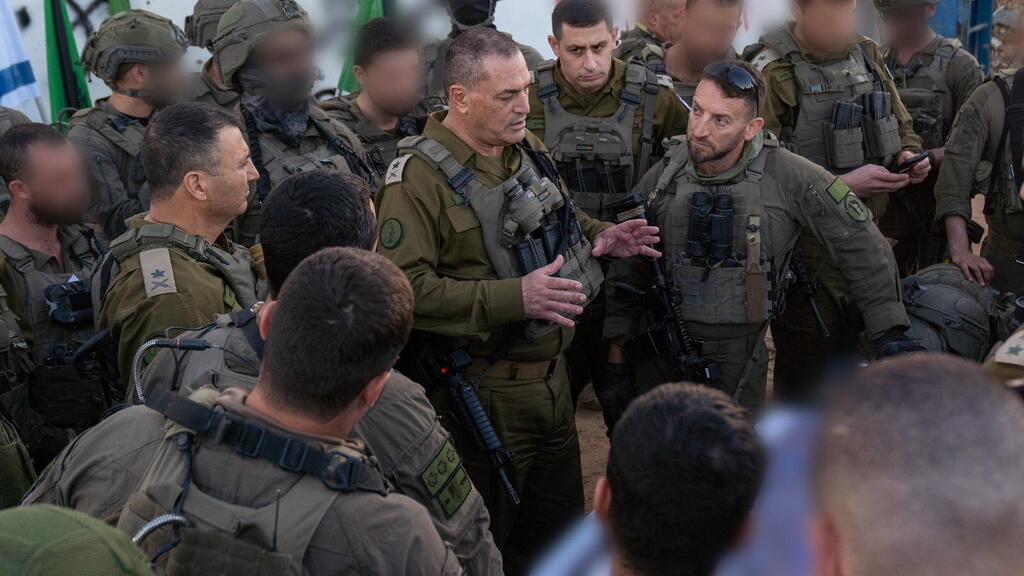
IDF Chief of Staff Lt. Gen. Eyal Zamir during a tour in Gaza
(Photo: IDF)
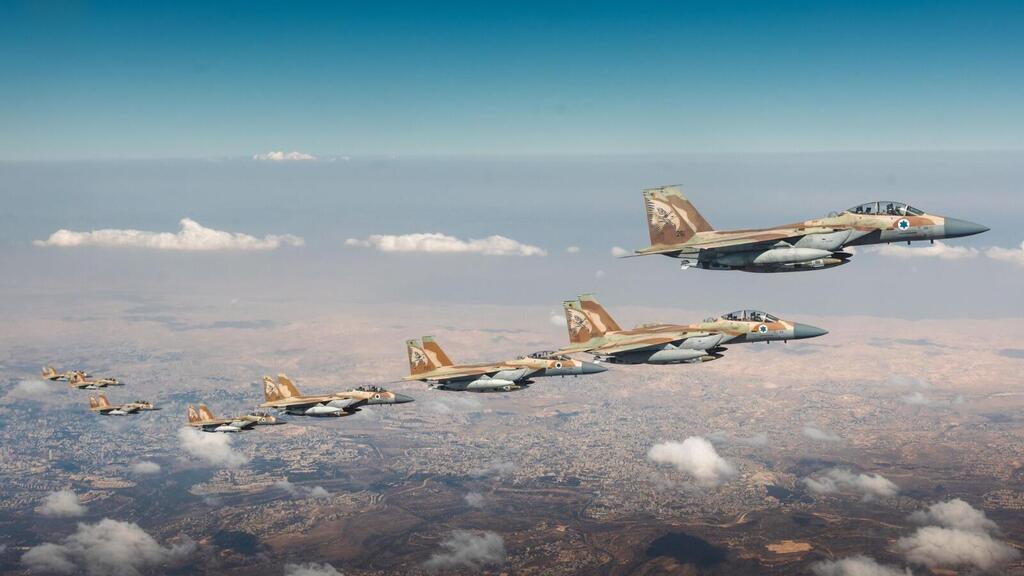
Air Force fighter jets en route to Tehran, June last year
(Photo: IDF)
Netanyahu appeared to be trying to get ahead of the issue by expressing future support for an idea that could severely harm the military’s force buildup, particularly the Air Force, which for decades has relied on US-made aircraft and munitions purchased with US aid dollars.
Military officials say the political leadership has instructed the IDF to prepare for a decade-long force buildup totaling about 350 billion shekels, with one option including the purchase of US platforms using shekels rather than dollars, but also to prepare for the opposite scenario, as in the past.
The plan, named "Hoshen" after the 12 stones of the High Priest’s breastplate as a reference to Jewish tradition and a return to fundamentals, is being shaped against the backdrop of the Middle East arms race and a learning competition with Israel’s adversaries, from Hamas to Hezbollah to Iran and the Houthis. In the coming weeks, teams led by major generals will outline the details of the plan in partnership with brigade and division commanders who maneuvered in Gaza and Lebanon, based on the lessons of October 7 drawn from IDF investigations and from the debriefings of Operation Rising Lion against Iran, which have already been completed in the Air Force and Military Intelligence Directorate.
The planning and implementation of the multiyear plan could be affected or disrupted if another war breaks out this year, but a mechanism will be established to allow the plan’s main components to continue moving forward even in the event of an unplanned escalation. The plan will also be shaped by the IDF’s strategy and Israel’s reference threat scenario, to be determined by Zamir in the coming months.
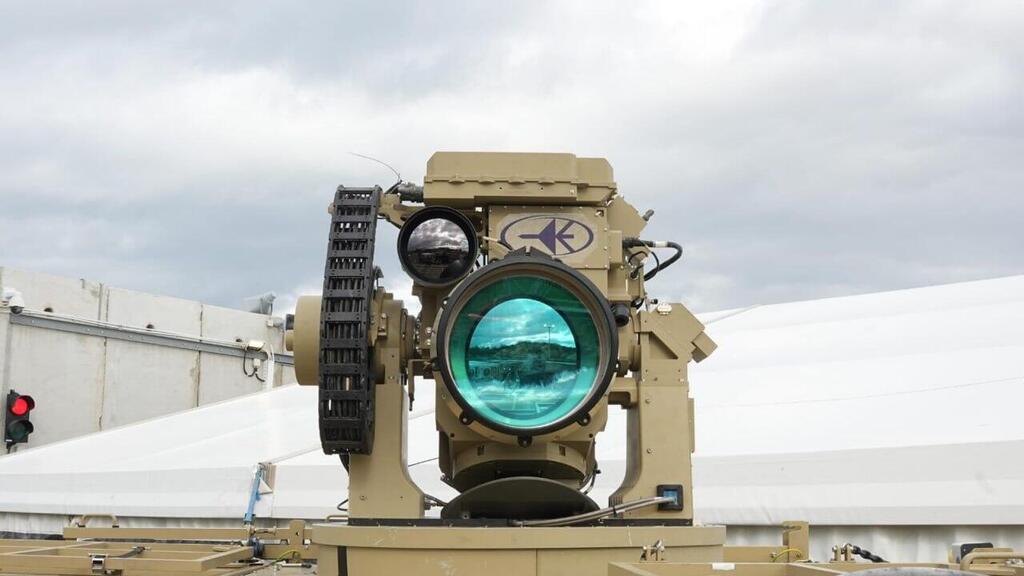
The advanced laser interception system
(Photo: Defense Ministry)
The plan will focus on 12 areas: addressing and incentivizing solutions to manpower attrition among conscripts, career soldiers and reservists after the prolonged war; readiness for war during the plan years as a baseline assumption for annual work programs; restoring unit readiness and replenishing stockpiles; fortifying borders against scenarios of mass terrorist infiltrations; strengthening air defense and counter-drone capabilities, including the absorption and expansion of the Iron Beam laser interception system; improving readiness for conflict in the third circle against states such as Iran and Yemen; upgrading and preserving ground maneuver capabilities; enhancing intelligence capabilities; operational innovation, information systems and artificial intelligence; robotics and autonomous technologies; and space as a new operational domain, to be employed differently within the IDF.
In addition, a special team will be established within the framework of the multiyear plan to address what is defined as “technological surprises,” aimed at renewing niche capabilities developed over many years and used for the first and possibly last time in the war, in the style of the so-called pager operation against Hezbollah.
First published: 19:54, 01.12.26