

U.S. President Donald Trump signed a memorandum of understanding with Iran last Wednesday at the Palace of Versailles in France, putting a 60-day ceasefire between the sides into effect. But U.S. officials say that behind the scenes, the process was at times marked by chaos, pressure and urgency from Trump, as well as countless twists that nearly caused the contacts with Iran to collapse.
In an extensive CNN report on the hours and days leading up to the signing of the memorandum, Trump is described as surprising both his advisers and his host, French President Emmanuel Macron, when he demanded before dinner that the agreement be signed that same evening while he was still at the palace. That was despite Washington and Tehran having already agreed on a formal signing ceremony to be held two days later in Switzerland, at a resort overlooking Lake Lucerne, in the presence of Vice President JD Vance.
Trump signs the memorandum of understanding in France as Macron says, ‘Bravo’


Gallery
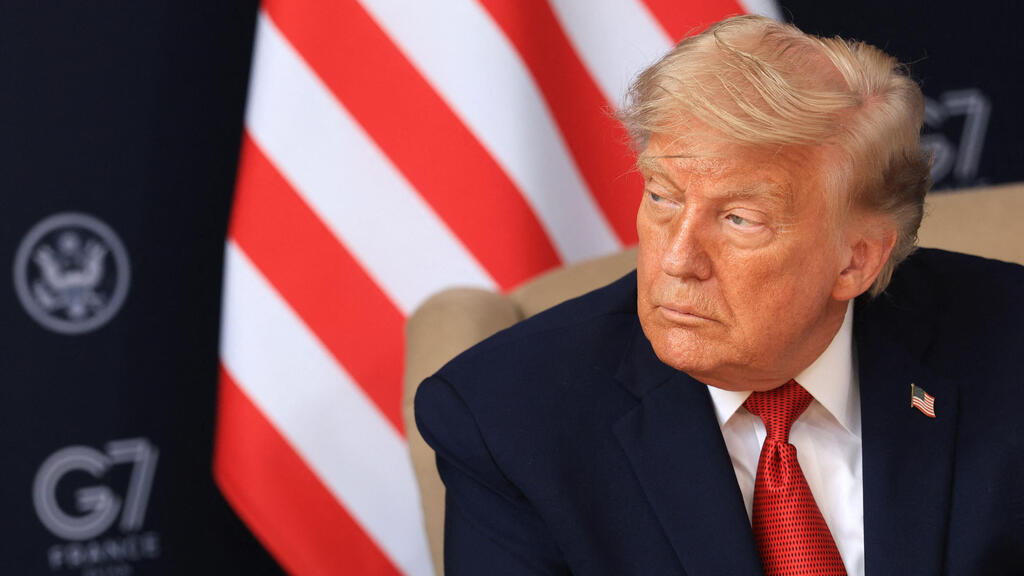
Trump became ‘frustrated and furious’ and raced toward a deal
(Photo: Anna Moneymaker / GETTY IMAGES NORTH AMERICA / AFP)
But Trump had other plans. Secretary of State Marco Rubio, according to the report, was updated while en route to the palace that the text of the document had been finalized, and Trump insisted that the agreement take effect immediately. He did not want to wait another two days, which could have put the arrangement at risk. Officials familiar with the details said Macron, though surprised, told those present that he could arrange it quickly.
The officials told CNN that as Trump and Macron toured the palace and examined its frescoed ceilings, Rubio rushed around the palace with his French counterpart, Jean-Noël Barrot, trying to find a printer that could produce a hard copy of the memorandum of understanding for Trump to sign. Trump ultimately signed the document and a photo of it was sent to the Iranians, who in turn released a photo of President Masoud Pezeshkian holding the signed memorandum. The festive ceremony in Switzerland was canceled and Vance postponed his trip because of an Iranian retreat prompted by the escalation in fighting between the IDF and Hezbollah, which Tehran says violates the agreement.
Trump acknowledges oil stockpiles could have run out within four weeks
Days after Trump signed the memorandum, the agreement between the sides continues to appear extremely fragile. Trump and his vice president are defending the agreement amid criticism, including from within the Republican Party, over claims that Washington made major concessions without receiving significant returns.
CNN noted that Trump had long been ready to end the confrontation with Iran against the backdrop of the energy crisis created by the closure of the Strait of Hormuz, a crisis that drove up prices in the United States as well and fueled criticism of the administration. The president’s advisers warned that global oil stockpiles were shrinking, while concern in the Republican Party was growing ahead of the midterm elections. Trump himself acknowledged this week that economic concerns led him to sign the agreement, telling reporters that he feared being compared to President Herbert Hoover, who was in office during the Great Depression. “I didn’t want to see an economic catastrophe,” he said Wednesday at the end of the G-7 summit.
In the days and weeks leading up to the signing, Trump sent a series of conflicting messages, as he often does: from signals that an agreement was closer than ever to threats to resume bombing Iran if it did not accept his red lines. According to CNN, one sign that the agreement was reached hastily and under pressure was that its text was kept secret for days. Vance said Pakistani mediators told the U.S. that Iran wanted to wait for “internal reasons.” But even after the text was released, official U.S. figures, including Vance, described “gentlemen’s agreements” not included in the actual text as elements that gave them “confidence in the agreement.”
A U.S. source said the White House published the text of the memorandum of understanding without waiting for formal approval from Iran’s senior leadership on the more detailed proposals, in part because officials did not want to delay the next phase of negotiations.
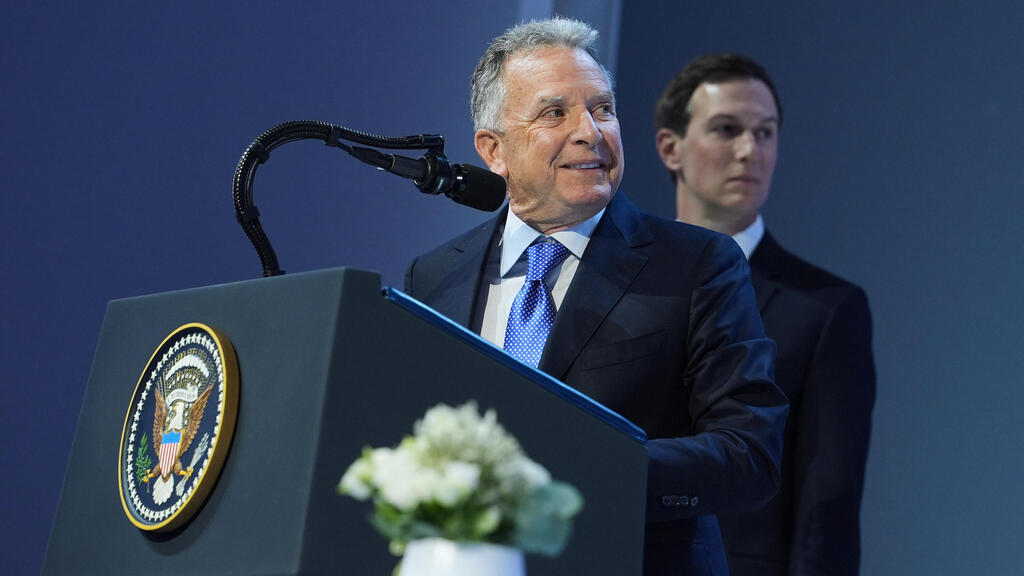
Envoys Steve Witkoff and Jared Kushner
(Photo: AP Photo/Evan Vucci)
CNN noted that many senior White House officials had long pushed to find a way out of the war. People familiar with the matter said Treasury Secretary Scott Bessent shared his concerns about the war’s economic effects, while Energy Secretary Chris Wright spoke about its impact on the global energy industry. “There was a broad understanding that if this continued, it was going to get worse,” said a source familiar with the discussions.
At a White House meeting in early June, Trump and his advisers decided to press for a “framework agreement” with Iran to reopen the Strait of Hormuz and outline a broad structure for dismantling Iran’s nuclear program. In the weeks that followed, Trump’s national security team met almost daily to discuss the emerging agreement, and many were concerned that Tehran would not uphold its part of the deal, according to administration officials directly involved in the negotiations.
One official said CIA Director John Ratcliffe and Secretary of War Pete Hegseth were among the “most pessimistic” about whether the Iranians would honor their commitments to make substantive concessions on the nuclear program, even if they agreed to negotiate on the issue. The officials also said that nearly every senior figure — including Rubio, Vance and envoys Steve Witkoff and Jared Kushner — raised serious reservations about the agreement.
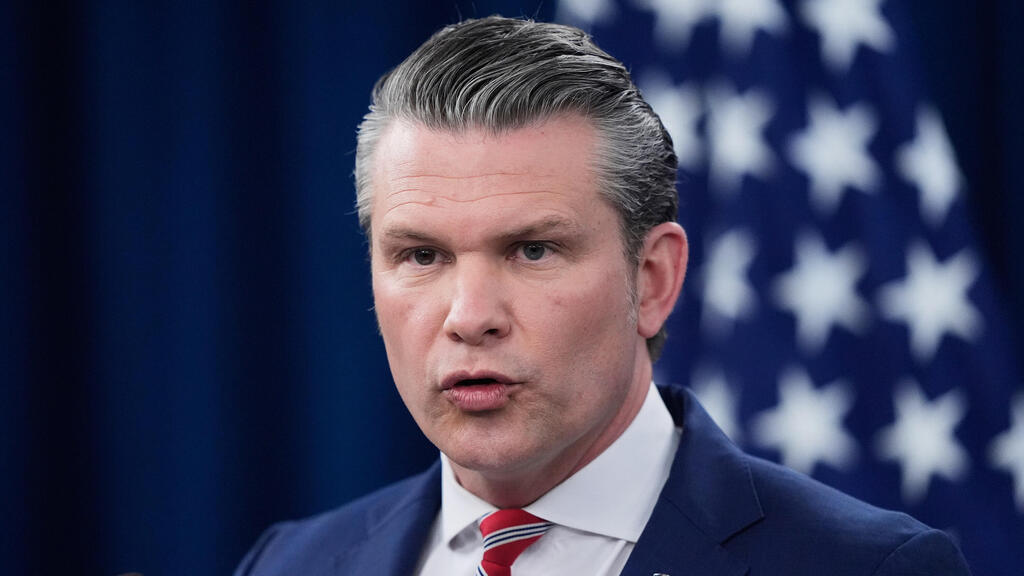
Secretary of War Pete Hegseth
(Photo: AP Photo/Manuel Balce Ceneta)
However, one person involved in the talks said that ultimately none of Trump’s advisers objected to moving ahead with the plan, and they decided to “reassess” the state of affairs during the 60-day negotiation period with the Iranians. In the end, they reached a consensus led by Trump himself: “We want to get this thing over with,” said an administration official directly involved in the talks.
Among the many obstacles on the way to the signing, which CNN said left Trump “frustrated and furious,” were the downing of a U.S. Apache helicopter in the Strait of Hormuz and, of course, the escalation in Lebanon that threatened to blow up the contacts and prompted Trump to launch a race to save them. The talks were also hampered by delays caused by the need to await responses from Supreme Leader Mojtaba Khamenei, who reportedly uses messengers to conceal his location, as well as disagreements within the Iranian leadership over the agreement.