


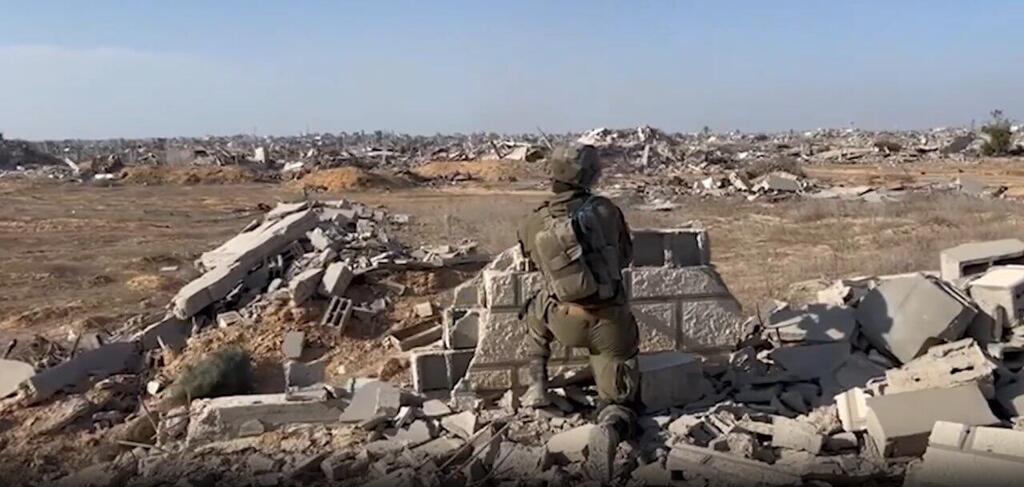
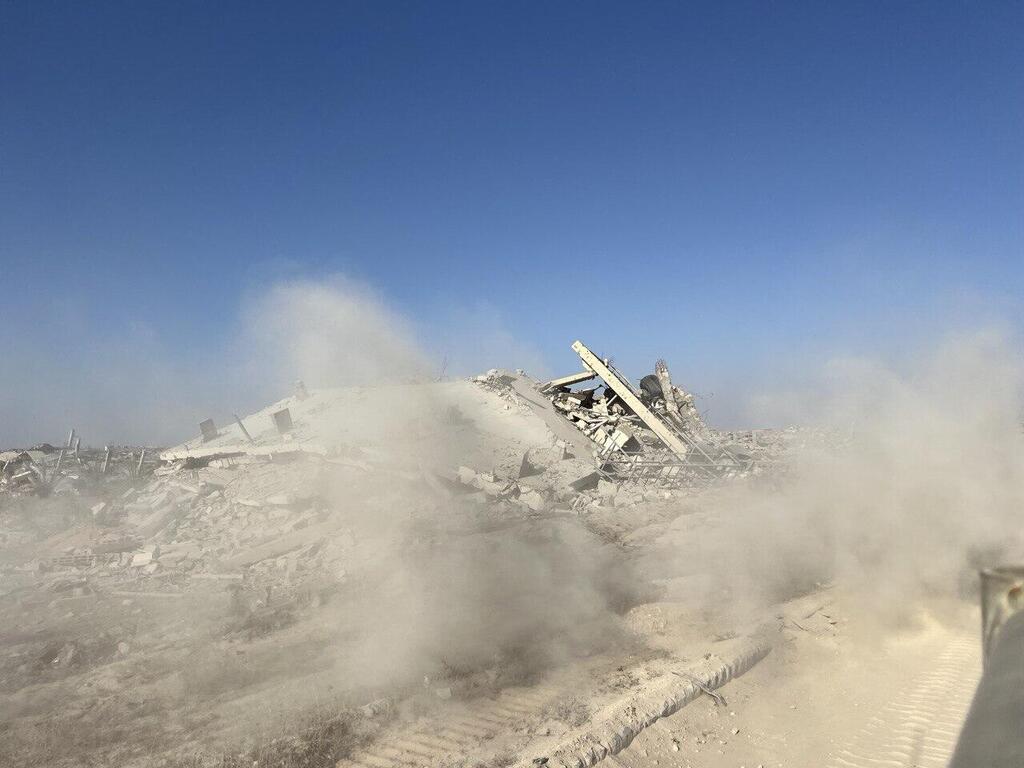
In eastern Rafah, where 17 Hamas operatives were killed or captured over the weekend, Golani, Nahal and Engineering Corps forces continue operating against the terror group both above and below ground inside the Israeli-controlled “yellow line” zone of Gaza.
The troops are working through a vast and complex tunnel system stretching for miles, and say they will not stop until the mission is complete: killing or capturing the remaining terrorists. “Our main task is to destroy or seize the enemy, and we keep searching for them,” Golani Brigade Commander Col. Adi Ganon said among the ruins of the southern Gaza city.
Golani and Nahal brigades' forces operating in Rafah
(Video: IDF)


The Rafah tunnel network is highly intricate, and the Hamas operatives still inside—including the local battalion commander—prepared in advance for a long stay. But as the IDF closes in, their supplies are dwindling, forcing them above ground, where Israeli forces encircle them.
The army believes dozens of fighters remain in tunnel pockets, and Ganon said troops are working around the clock using multiple methods to find them. “We’re using every tool, in the air and on the ground,” he said. “Conditions allow us all the firepower we need. It’s simple: they surrender or we kill them all.”
(Photo: Ron Crissy)
Ganon stressed the difficulty of locating Hamas operatives underground. “If it were easy to strike from the air, we would. Protecting our forces is inseparable from the mission,” he said, adding that progress has become visible in recent days. “It could take a few days or weeks. We’re on the mission, doing it as well, as fast and as safely as possible.”
Under the fragile ceasefire, the Golani Brigade’s combat team remains on full alert. “Our force is ready. We’ve been fighting since Oct. 7. We’re not dealing with ceasefires,” Ganon said.
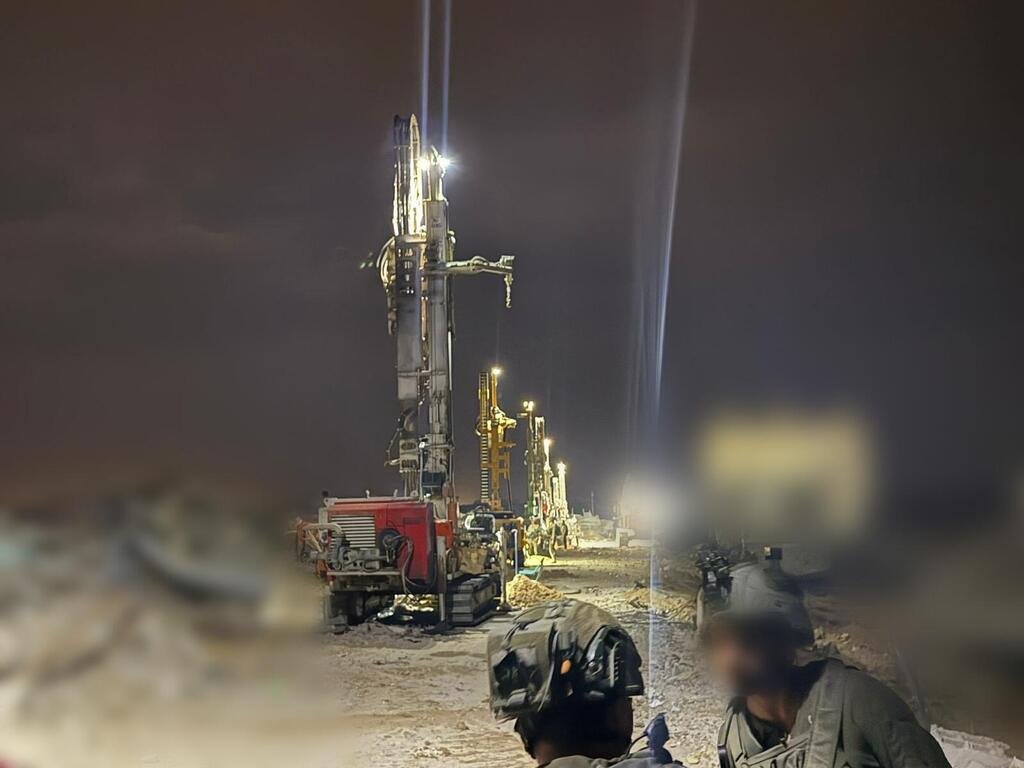
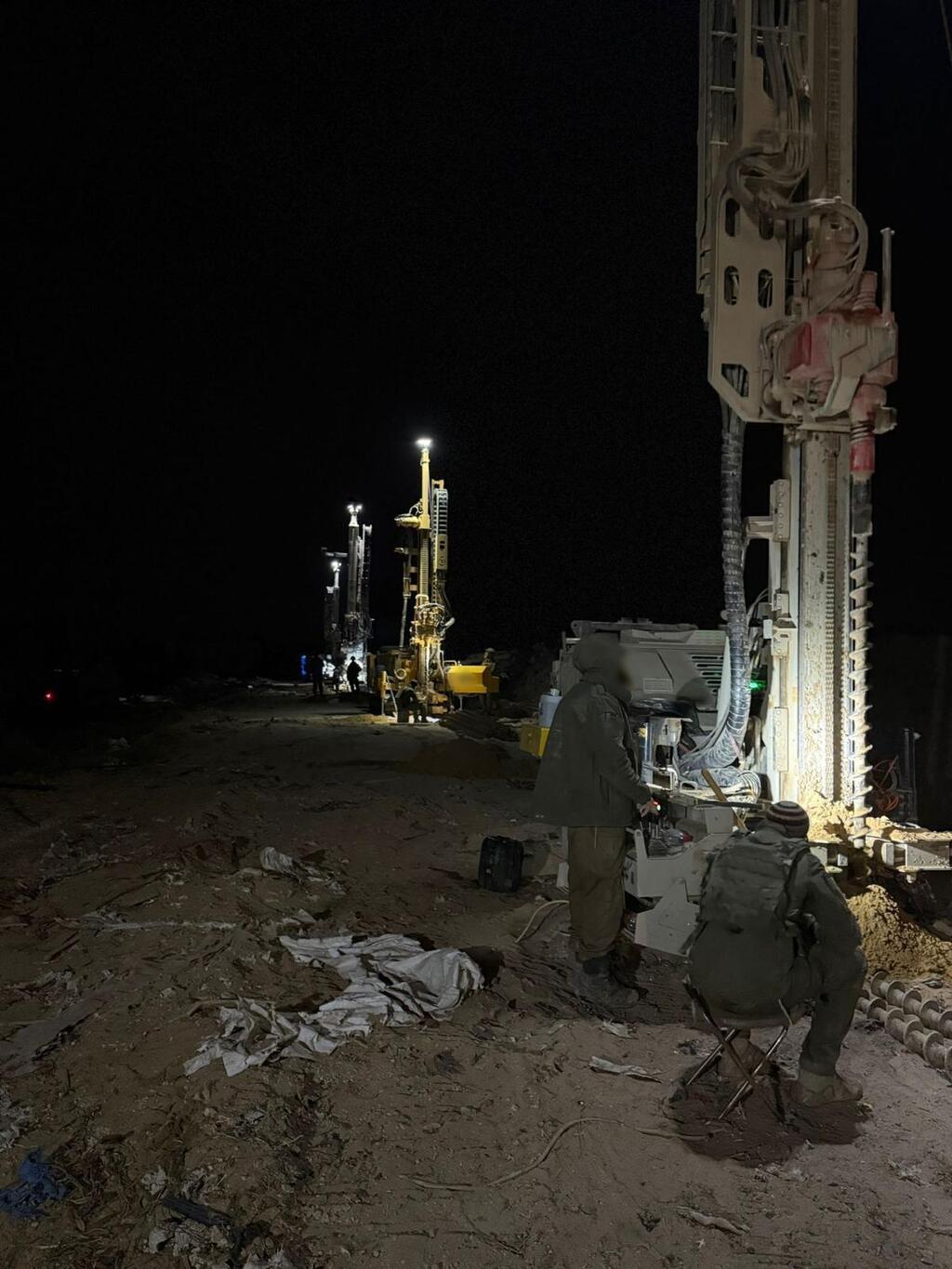
IDF forces working to dismantle Hamas tunnels in the Israeli-controlled 'yellow line' zone of Rafah
(Photo: IDF)
(Photo: IDF)
Lt. Col. B., commander of the elite Golani Reconnaissance Unit, echoed that the mission is clear: “Kill the terrorists or force them to surrender.” His troops operate daily above and below ground, identifying and destroying infrastructure that, under the agreement, should not exist in the area. “We’re entering underground spaces with multiple branches and slowly cutting off their routes,” he said. “Our operations force the enemy above ground.”
For the recon unit, which fought in the same area earlier in the war, the mission is deeply personal. “The unit experienced tough, significant events here,” the commander said. “But we return with determination to finish the job. Working underground takes time.”
IDF forces eliminate Hamas terrorists emerging from Rafah tunnels
(Video: IDF)
IDF forces eliminate Hamas terrorists emerging from Rafah tunnels
(Video: IDF)
Capt. Y., a company commander in the Engineering Corps’ 271st Battalion operating with Golani and Nahal forces, led a team last week that located terrorists emerging from a tunnel shaft. “We searched based on specific indicators pointing to their hiding spots and closed in,” he said. Terrorists often hide in the rubble, he added. “We pressure them to come out, including with a backhoe. We captured some and killed others.”
He said such events greatly bolster morale. “It gives the fighters drive and motivation. There are still terrorists out there—we’re here to remove the threat. These terrorists have probably been involved in operations that harmed us. We maneuvered here in August.”

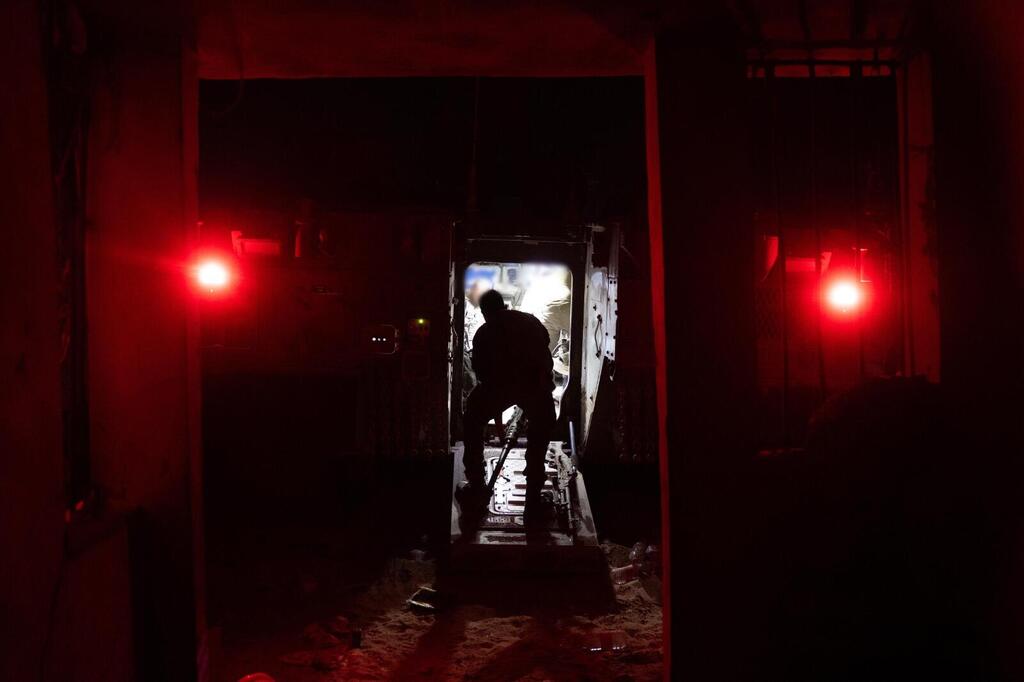
Nahal Brigade forces operating in Rafah
(Photo: IDF)
(Photo: IDF)
(Photo: IDF)
The company commander said his troops feel “deep purpose.” “We were here when Hadar Goldin was recovered. Every clue, every hostage brought home lifts morale and pushes the men to keep fighting.”
Maj. A., the battalion's operations officer, said the recent finds followed a joint intelligence effort by the Shin Bet and the Nahal Brigade combat team. “Our forces found the core tunnel route where most of the terrorists were hiding,” he said. “We carried out several offensive actions to push them out, and after a few hours, some emerged—some were captured, others killed.”
'In the end, we will reach every terrorist'
Battalion Commander Lt. Col. D. said his forces are fighting both above and below ground, “searching for the terrorists day and night.” He described “tremendous determination in the battalion, a reserve force that has been fighting relentlessly for two straight years,” and stressed: “We are here to fight until the last terrorist. We have full intelligence on them. It takes determination and hard work — and we will reach them all.”
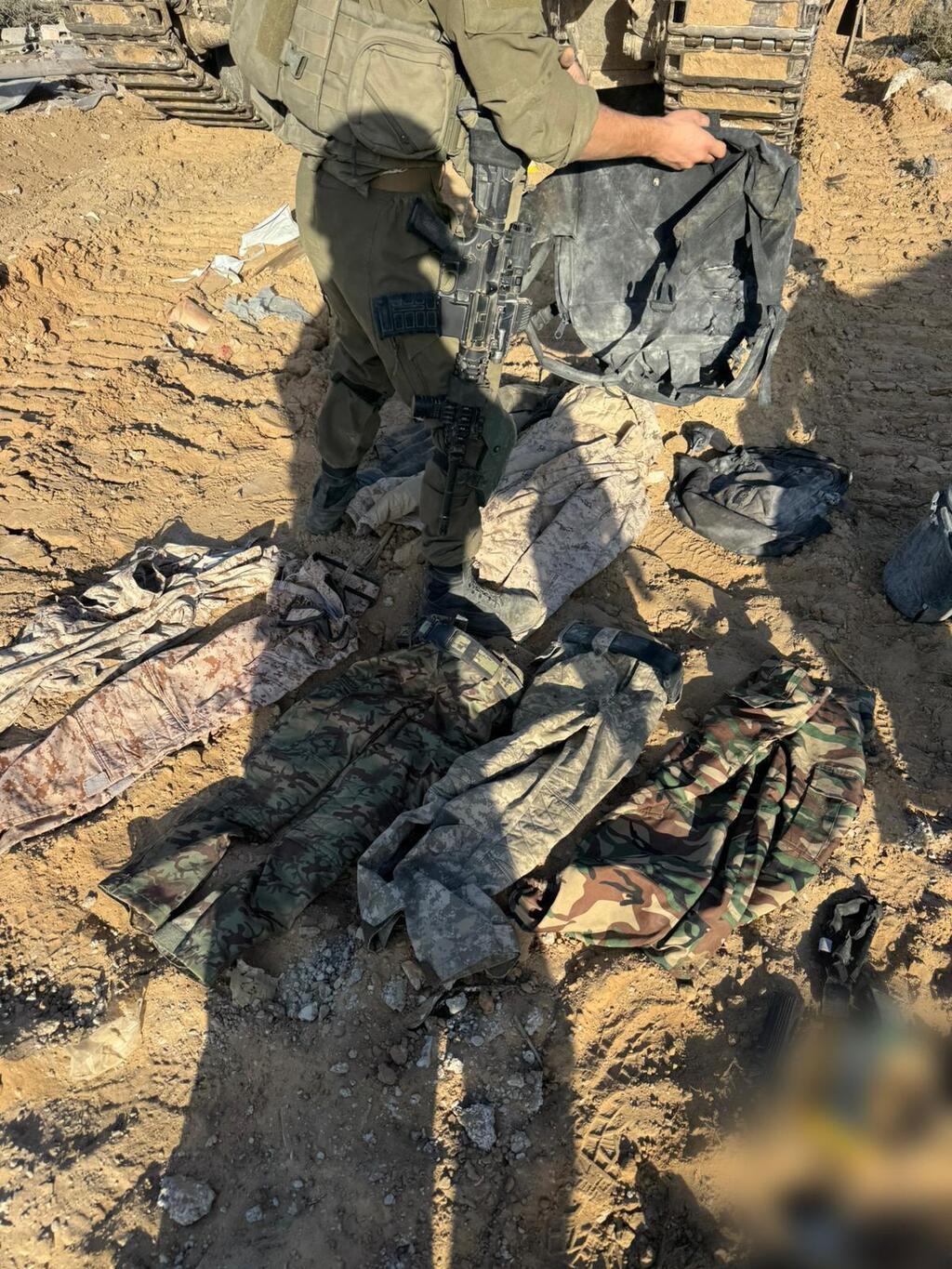
Over the past week of operations in the area, IDF forces destroyed miles of tunnel routes and struck more than 60 targets. Among the targets were roughly 15 tunnel shafts and about 40 structures used by terror groups in the Gaza Strip. Troops also found a Hamas flag, military equipment and weapons in Rafah’s yellow line zone, including rifles and explosive devices.
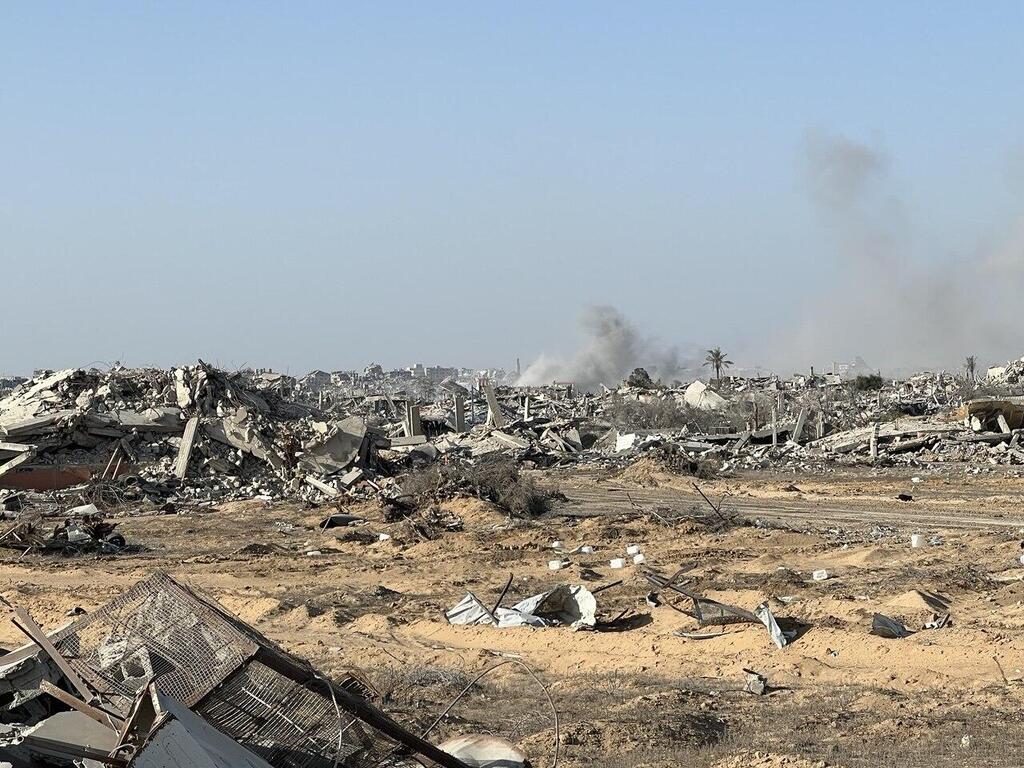
Rafah
(Photo: Ron Crissy)
Lt. A., commander of the Gaza Division’s observation war room, who oversaw the detection of the 17 terrorists who emerged from a tunnel beyond the yellow line in Rafah, told ynet that “the observer who spotted the terrorists managed to do it in a split second.” She said the observer “saw several suspects in an area where no one should be and where no one is supposed to move around — and we immediately understood they were terrorists. We have deep familiarity with the enemy, with this sector and with the terrain, yet it’s still the kind of sighting that can be missed in an instant.”
“Even I had to look at her footage several times to understand what was happening,” she said. “Once she identified them, we immediately declared an incident and coordinated with fire units that eliminated the cell. In moments like that, you feel fully absorbed in the mission and the detection, and only afterward do you take in the bigger picture and understand how meaningful our role is.”
Lt. A., who enlisted just two months after the war began, added: “Throughout my regular service and my time as an officer, I never had an event of this magnitude. It’s incredible. We were part of a rapid, initial detection and closure of the circle that led to such an achievement.”