

One of the key questions arising from the growing tensions with Iran in recent days is what role the Houthis might play in the event of an escalation. Iran’s proxies, even since the ceasefire in the Gaza Strip, have continued their preparations, including military drills, combat training, recruitment of new operatives, arrests and threats.
All of this is intended, from their perspective, to prepare for the next confrontation they believe is inevitable: a clash with Israel. That assessment was made clear by their leader, Abdul-Malik Badreddin al-Houthi, who stated as much in December.
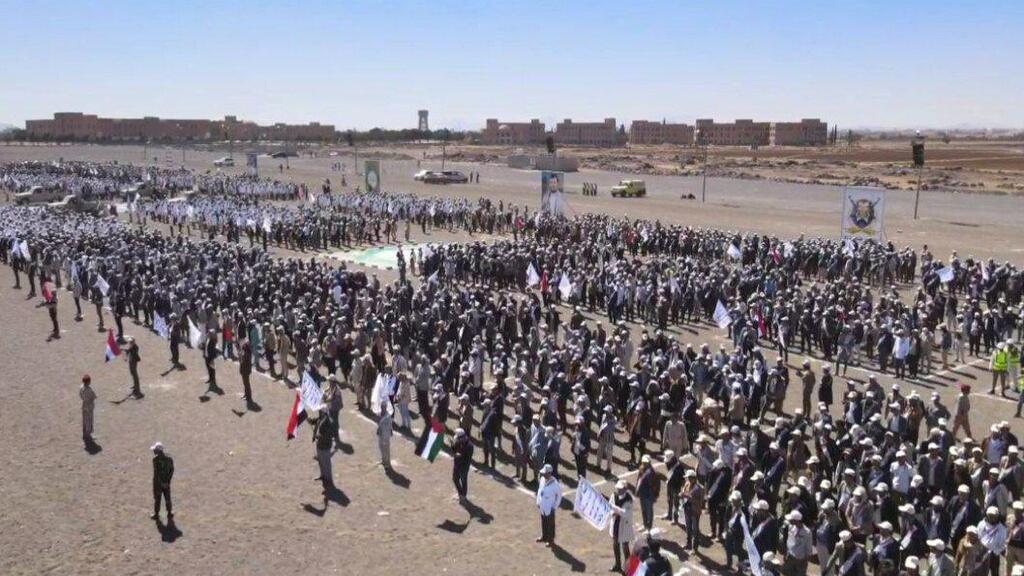
As part of the terror campaign the Houthis carry out in areas under their control, they force civilians, including those who are not regular supporters of the group, to undergo military training courses known as "Al-Aqsa Flood," the Palestinian name for the war in Gaza. Trainees from across all age groups are taught combat methods.
ynet has obtained correspondence in which a Sana’a resident who does not support the Houthis was summoned to take part in one of these courses. The individual ignored the invitation for several months. The course lasts 10 days, one hour per day, under the title "Al-Aqsa Flood." After months of delay, he informed organizers that his health did not allow him to participate and postponed attendance, at least for now.
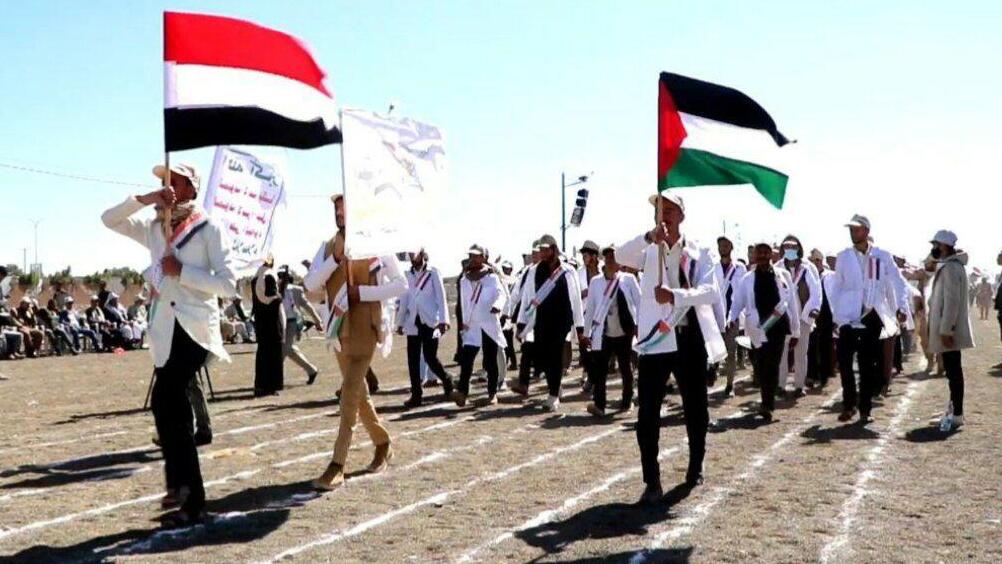
'Every institution is required to complete training ahead of the war'
“All institutions, private or government, are required to undergo training for your war. They are training people to prepare for a confrontation with Israel and the coming war,” he said. The course includes live-fire training and instruction in military tactics. The Houthis appear eager to insert themselves into any conflict. They respond to and issue threats over nearly every regional development, whether it involves Israel’s recognition of Somaliland, events in Gaza, strikes in Lebanon or now the tensions surrounding Iran.
They openly support the Iranian regime that finances them and echo Tehran’s messaging that Western powers are behind the unrest. This is reflected both in their public statements and in propaganda, including cartoons by Yemeni caricaturist Kamal Sharaf. The Lebanese newspaper Al-Akhbar, which is affiliated with Hezbollah, reported that “escalation against Iran will be viewed by Yemen as part of American support for Israel, and will therefore require Yemen to be part of the equation.” Political sources in the capital of Sanaa, which is under Houthi control, told the paper that “Yemen will not remain outside any new regional equation.”
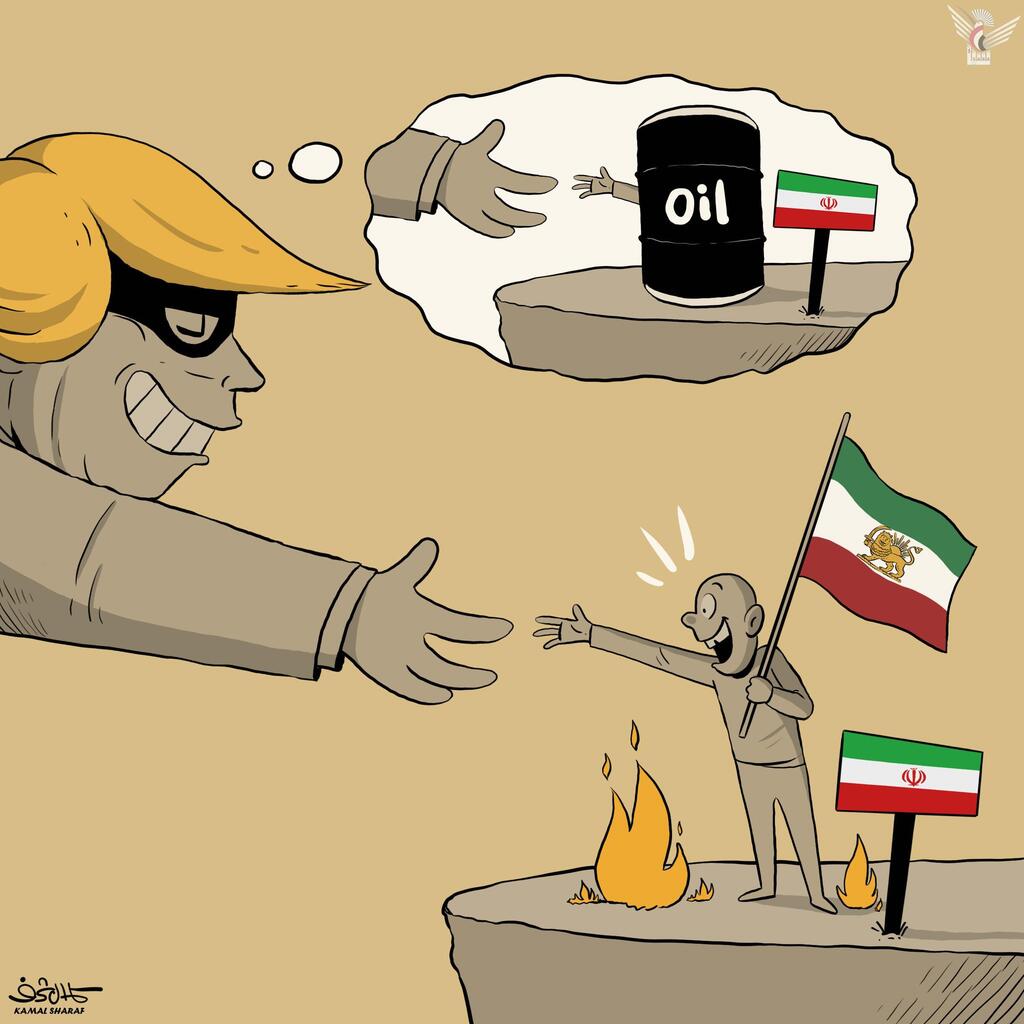
Political cartoons by Kamal Sharaf, a pro-Houthi Yemeni cartoonist
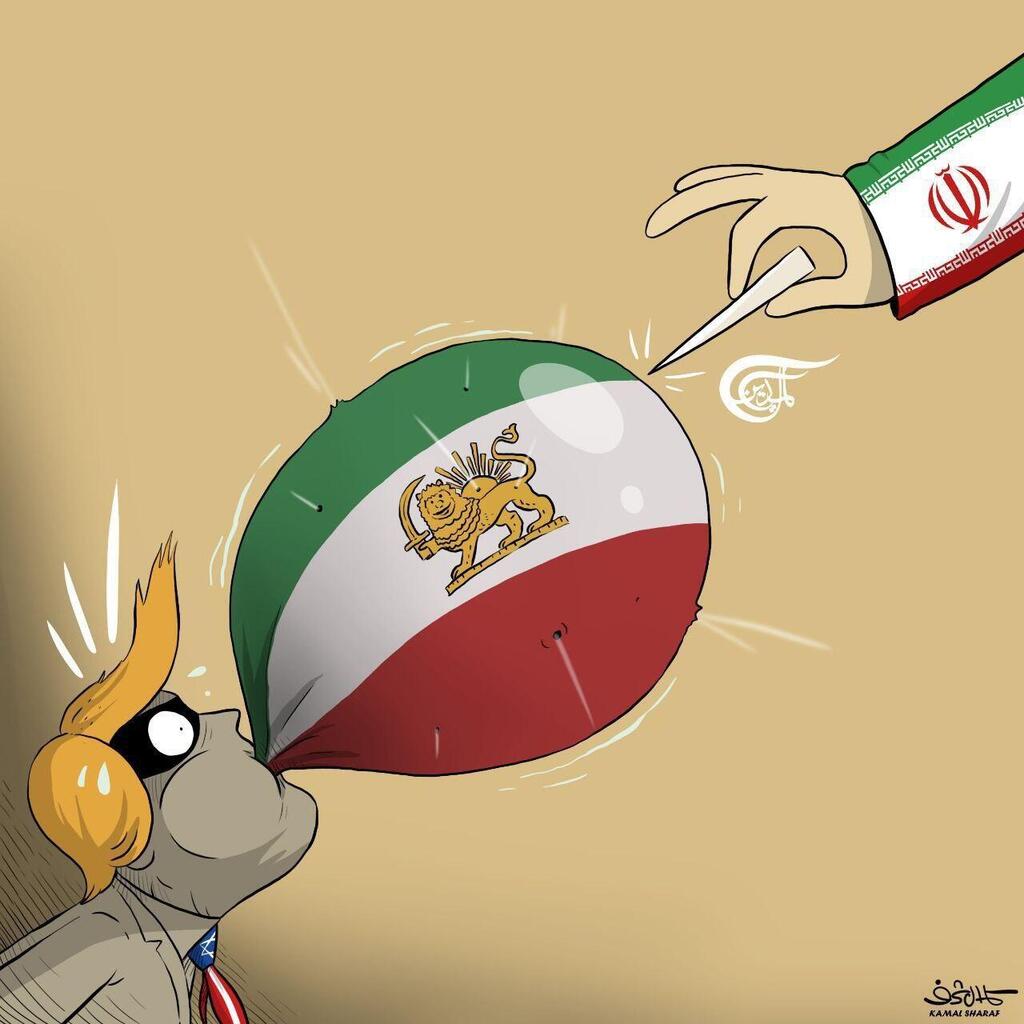
According to the report, this suggests that “Sanaa may increase its level of support for Tehran, ranging from backing its right to defend itself to participation in a confrontation as part of efforts to deter new American aggression.” The report also claimed that the Houthis have raised their alert level in recent days and have conducted missile tests in the Red Sea.
Senior Houthi official Hezam al-Asad, known for his threats against Israel on X, wrote on his account that “it seems the Americans have not learned from the harsh and painful lesson they received. They are still preparing for a new strike and pushing their agents in the region toward another failed adventure.” “What the enemy does not understand,” he added, “is that any future confrontation will be different, and the lessons will be far more painful.”
Mohammed al-Farah, a member of the Houthis’ Supreme Political Council, said that “what is happening in Iran is a fabricated revolution led by Israel and sponsored by the United States. Iran is paying the price for opposing American hegemony and Israeli aggression, and for standing alongside oppressed peoples, foremost among them Palestine.”
Protests in Iran. In Yemen, fears of a similar scenario


“Any attack on Iran will pave the way for strikes against the rest of the Islamic regimes, one after another,” he said. “It is a grave mistake to view these developments as geographically limited to a specific country. What is happening in Iran is not a passing event but an early warning of what lies ahead, an existential struggle from which even regimes that chose normalization or submission to the United States will not escape.”
By contrast, the Saudi-owned London-based newspaper Asharq Al-Awsat reported that despite their rhetoric, the Houthis are deeply concerned about the escalation of protests against their primary backer. The paper cited “deep confusion” and anxiety within the group over potential consequences for its future and its ability to operate politically and militarily. According to the report, the Houthis fear that any serious disruption to the Iranian regime, or its preoccupation with internal crises, would directly affect the group’s standing in Yemen, given its political and military dependence on Tehran.
Sources also said strict directives were issued to raise security alert levels to the maximum and expand deployments along main streets and around government and security institutions. A political analyst in Sanaa said the measures also reflect concern over a scenario similar to Iran unfolding in Yemen itself. He noted that in areas under Houthi control, the group faces growing public discontent due to deteriorating living conditions, rising prices, disrupted salaries, lack of basic services and campaigns of repression and abductions targeting opponents. A merchant quoted in the report described the atmosphere bluntly. “Any gathering is seen as a potential threat,” he said, adding that “even casual conversations about Iran have become dangerous.”