


A report published by the French newspaper Le Figaro details Hezbollah’s covert efforts to rebuild in the wake of its severe losses, following Israel’s high-impact pager attack, the assassination of Hassan Nasrallah on September 27, 2024, and a decisive Israeli military victory.
While Hezbollah agreed to disarm in southern Lebanon as part of a government plan, the group has retained its arms in other strongholds and is undergoing a deep, secretive restructuring — aided by Iranian operatives and extensive internal reforms, according to the report published Saturday night.
IDF attacks in the area of the village of Ansar, southern Lebanon


Gallery
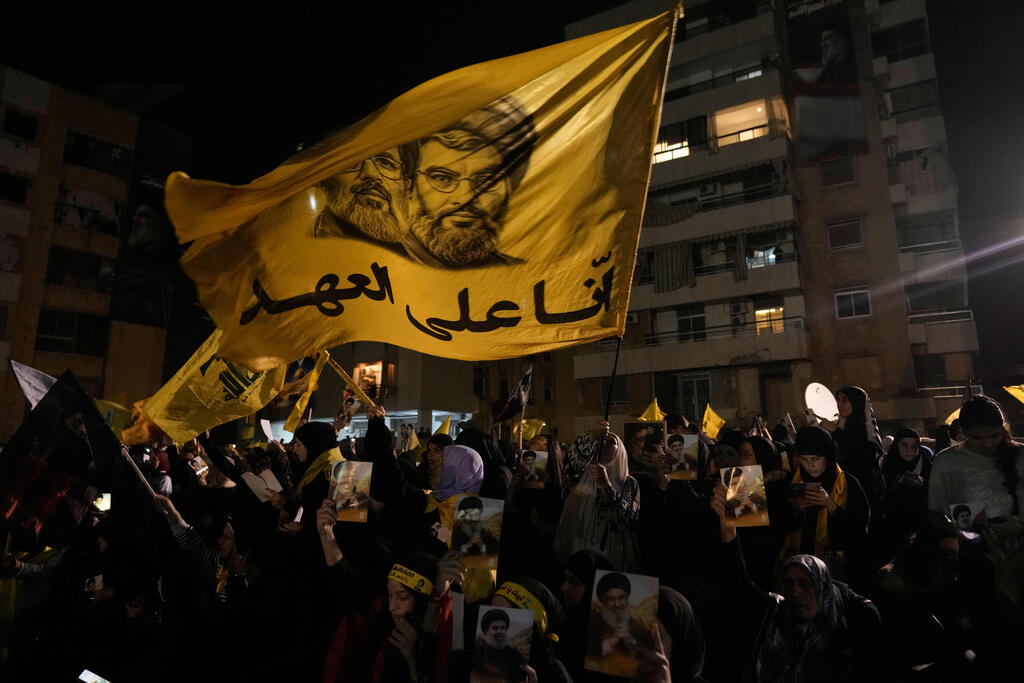
Hezbollah supporters during an event marking the anniversary of the assassination of Hezbollah leader Hassan Nasrallah in Beirut
(Photo: Hassan Ammar/AP)
Following Nasrallah’s assassination in the Dahieh quarter of Beirut, Hezbollah fell into disarray. In a rare testimony, a Hezbollah member named Wafik described the group’s initial state: “For 10 days, no one answered calls. We were like a body in a coma. Only the fighters in the south kept operating, following emergency protocols in case our number one disappeared.”
The new military structure and criticism of Nasrallah
Although the fighters in the south of the country continued to fight, about 1,200 of them were killed. According to the investigation and testimonies, after about two weeks, Iranians - led by Ismail Qaani, commander of the Quds Force - arrived to restore the chain of command. “They restored the army in 10 days, but the political echelon remained vacant,” said Wafik.
Internally, criticism of Nasrallah’s leadership surfaced. Members reportedly blamed him for entering the war “out of solidarity with Hamas” but doing so “too cautiously.” A post-October 7 debate revealed divisions: Nasrallah favored restraint, while figures like Hashem Safi al-Din and Hezbollah’s military wing pushed for a full-scale offensive. “It was a tragic mistake,” said former Lebanese culture minister Ghassan Salamé, who added that Israeli intelligence infiltration — including double agents — misled Nasrallah into believing he would not be targeted.

Lebanese President Joseph Aoun speaks at the UN General Assembly
(AFP)
Hezbollah has since adopted a new structure. “We now have a new, secret military structure, led by a younger, more dynamic leadership,” Parliament member Ali Fayyad stated. The group has reverted to levels of secrecy not seen since the 1980s, separating its political and military wings and shortening command chains. “No one knows who does what,” an insider told Le Figaro.
Weapons depots north of the Litani
Though it has disarmed in much of southern Lebanon, Hezbollah retains weapons stockpiles in the Beqaa Valley and north of the Litani River. “If Iran is attacked, we won’t intervene,” said Fayyad, signaling a defensive stance amid Iranian pressure.
Villages like al-Naqoura and Alma al-Shaab lie in ruins, with residents slowly returning to homes without electricity, under constant observation by Israeli drones. A senior Lebanese officer accused Israel of deliberately impeding reconstruction, citing over 1,500 alleged ceasefire violations and some 300 Lebanese casualties. Hezbollah has not responded militarily to these incidents.
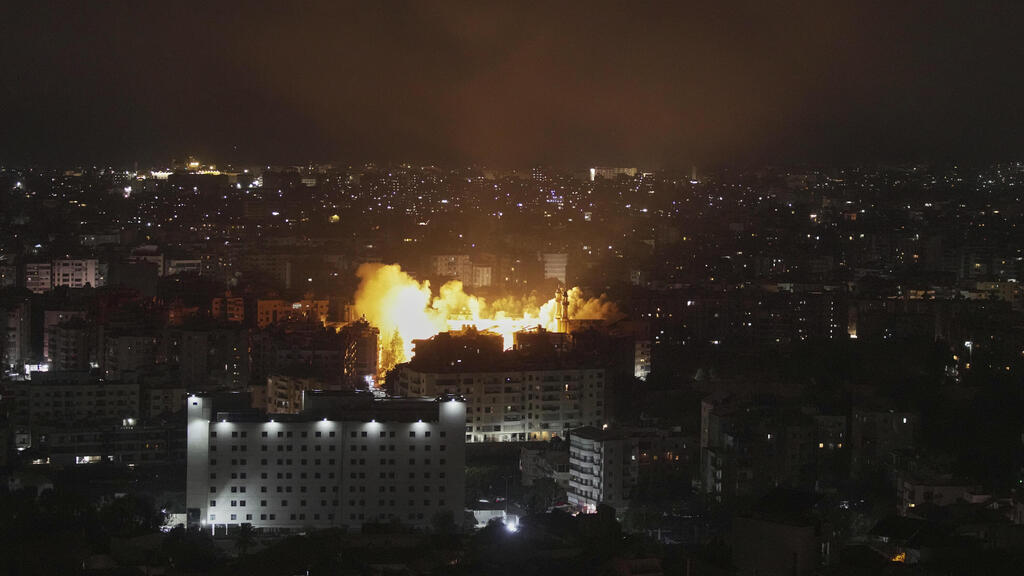
Attacks in Dahiyya, Beirut, Lebanon
(Photo: Hassan Ammar/AP)
Lebanon’s broader reconstruction hinges on Gulf funding, which remains conditional on nationwide disarmament — a step that, according to the report, has only occurred in the south. Hezbollah continues to distribute compensation — around $12,000 per destroyed home — but suffers financially due to the collapse of the Assad regime in Syria.
Political power remains intact
Despite military setbacks, Hezbollah retains domestic influence: 27 parliamentary seats, ties with the Lebanese army, and robust Shiite support. “Faced with two bad options, people choose Hezbollah as their protector,” said one Lebanese Shiite resident.
Prime Minister Nawaf Salam supports national disarmament, but President Joseph Aoun and the military reportedly fear confrontation with the group. “Hezbollah no longer poses a threat to Israel, but it maintains internal strength,” a Lebanese diplomat told the paper.
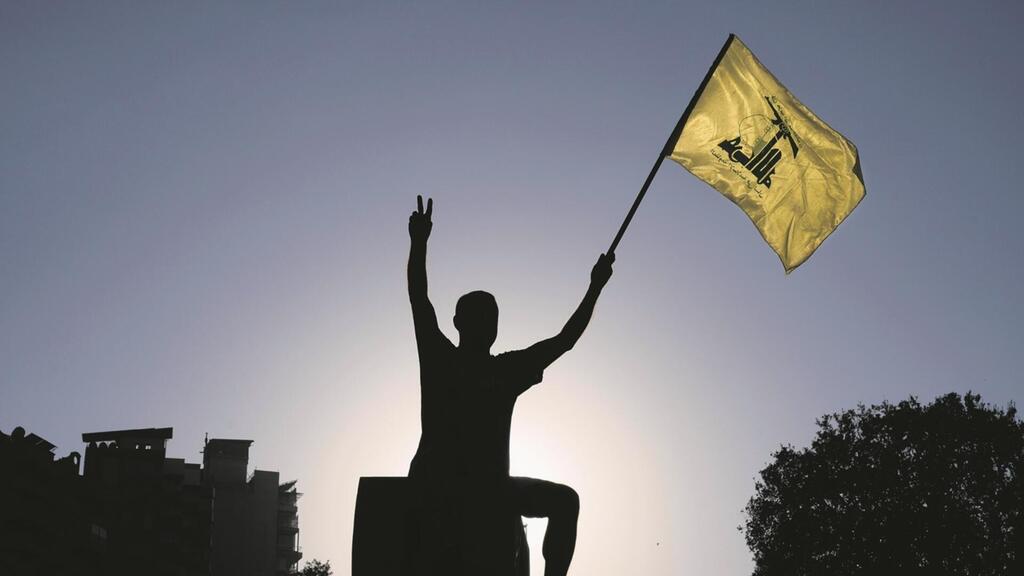
Waving hte Hezbollah flag in southern Lebanon
(Photo: Bilal Hussein/AP)
Le Figaro concludes that, while weakened, Hezbollah remains resilient. The group is rebuilding its command structure and retaining grassroots support. Analysts warn its covert activity could eventually reignite hostilities — especially amid tensions with Israel. “They’re like a snake slithering in the dark,” said one Western intelligence source. “They haven’t disappeared — they’re just waiting.”
Ongoing Israeli strikes
Meanwhile, the IDF continues near-daily strikes in Lebanon. Earlier Saturday, the IDF reported an airstrike that killed a Hezbollah operative “attempting to rebuild terror infrastructure in southern Lebanon using engineering equipment.” Another terrorist was eliminated on Friday, reportedly engaged in restoring Hezbollah’s military capabilities.
In response to reports of Hezbollah’s return to the border, Northern Command Division 91’s commander reassured Israeli residents: “The IDF is operating day and night to prevent Hezbollah’s reestablishment in southern Lebanon. Let me be clear: our rules of engagement have not changed. We will not allow Hezbollah to operate or rebuild on the front. We will continue to act offensively and consistently.”