


Iran and the International Atomic Energy Agency (IAEA) signed an agreement on Tuesday in Cairo, marking Tehran’s return to cooperation with nuclear inspectors after halting it in retaliation for Israeli and U.S. strikes on its nuclear facilities in June.
IAEA Director-General Rafael Grossi and Iranian Foreign Minister Abbas Araghchi finalized the deal, which Grossi described as “an important step in the right direction” to resume inspections at Iran’s nuclear sites.
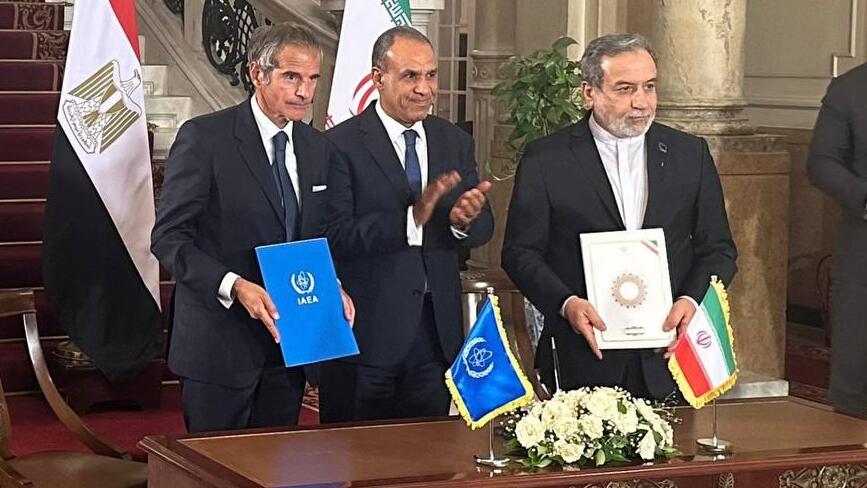
While details remain undisclosed, Grossi noted that the agreement includes “practical methods for restarting oversight activities in Iran.” Uncertainty surrounds whether Iran must disclose the fate of its pre-war stockpile of 440 kilograms (970 pounds) of 60% enriched uranium, potentially sufficient for 10 nuclear bombs if further enriched to 90%.
Reports suggest the stockpile was either buried under attacked facilities or moved to hidden locations before the strikes. The agreement comes amid heightened tensions, as the UK, France and Germany activated the “snapback” mechanism from the 2015 nuclear deal last month, initiating a process to reinstate all pre-2015 international sanctions on Iran.
The sanctions could be enforced within 30 days unless blocked by a UN Security Council resolution, where the U.S., UK or France could veto any opposition. Following the signing, Araghchi condemned Israel’s recent strike on Hamas leadership in Qatar, drawing parallels to the June attack on Iran’s nuclear sites during the recent war with Israel.
“We condemn the crime committed by the Zionist regime in Qatar,” he said, despite Iran’s own attack on a U.S. base in Qatar in June as retaliation for the nuclear strikes. Araghchi affirmed Iran’s willingness to cooperate with the IAEA but emphasized that Tehran’s goal is to “safeguard its legitimate rights and sovereignty.”
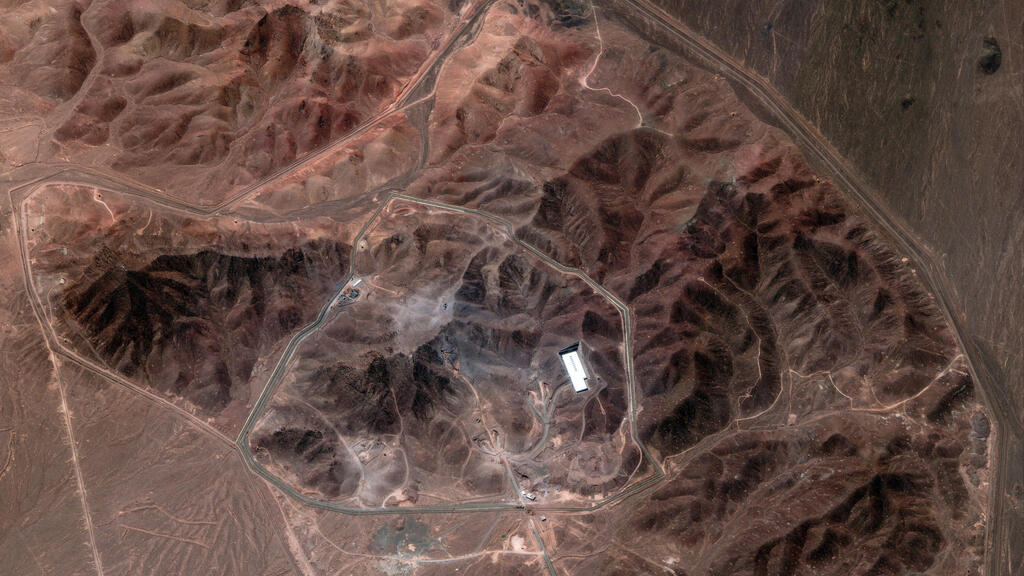
Aerial view of Fordow nuclear site
(Photo: Maxar Technologies/Handout via REUTERS)
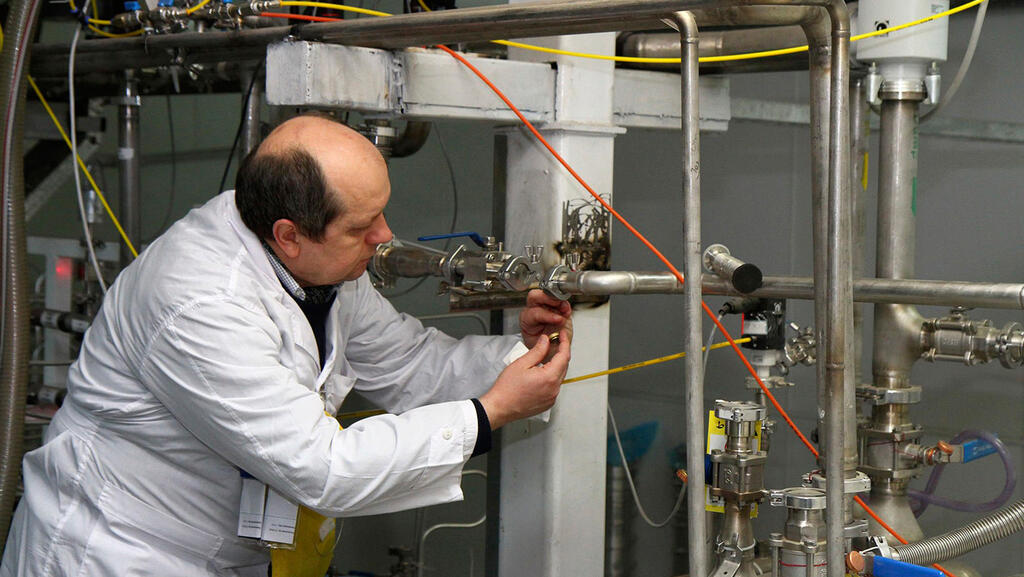
(Photo: AP)
He warned, “In the event of military aggression or renewed sanctions, we will consider any agreement null and void.”
The European powers, while triggering the snapback mechanism after failed talks with Iran, expressed a desire to continue dialogue to avoid sanctions or delay their reimposition, especially as the UN resolution enabling sanctions expires in October.
Araghchi reiterated that renewed sanctions would be seen as a major escalation, potentially ending Iran’s cooperation with nuclear inspectors once again.