

With no clear end to the war with Iran, most shipping through the Strait of Hormuz still disrupted and escalating fighting between Saudi Arabia and the Houthis placing additional pressure on alternative oil routes, the global energy crisis is increasingly spilling into the streets. Oil has again climbed above $100 a barrel, protesters have burned tires and vehicles, workers have gone on strike and governments from Asia to Europe are scrambling to contain public anger.
The strain is especially acute in developing economies that rely heavily on imported Middle Eastern oil and gas. Many governments already accumulated debt trying to cushion households and businesses from earlier price increases during more than six months of war. They now face the same politically dangerous calculation again: allow higher energy costs to reach consumers and risk accelerating inflation and unrest, or expand subsidies and relief programs at the cost of larger deficits and pressure on local currencies.
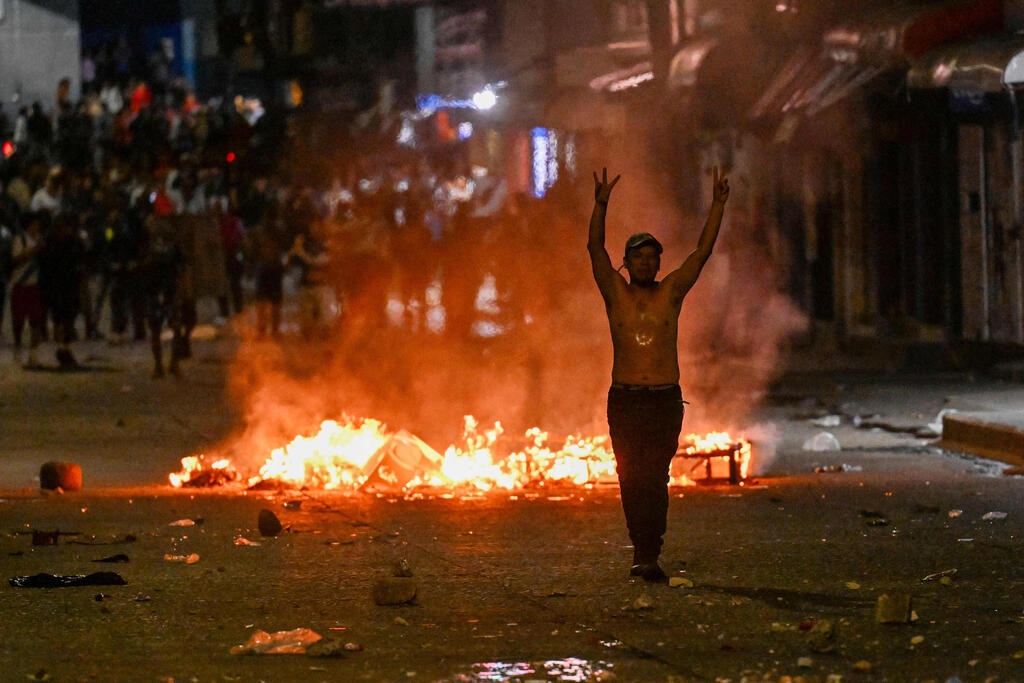
“How much fiscal capacity does Asia or the developing world have in general to manage this geopolitical crisis?” Sana Jaffrey, an Asia conflict expert at Australian National University, told The New York Times. She warned that when governments begin exhausting that capacity, the consequences will spread well beyond the countries now struggling with fuel shortages.
Syria erupts after fuel prices jump
Some of the most dramatic protests have unfolded in Syria, where demonstrations broke out across several cities after authorities announced increases of as much as 40% for fuel and gas. The government attributed the move to soaring global prices and work at the country’s largest refinery that has reduced domestic production and increased reliance on imports.
For a country still struggling to recover from more than a decade of devastating civil war, the increase proved explosive. Protesters blocked major roads with burning tires, including routes around Aleppo, and demonstrations continued for several days. In Kurdish-majority Qamishli, protesters carried signs declaring, “No to the policy of starvation.” One demonstrator, 56-year-old Abdel Rahman Khalil, said the public would no longer remain silent and demanded that authorities respond to people’s demands.
Protests across Syria against fuel price hikes


Other governments in the region are confronting the same pressure. Lebanon has reported sharp increases in gasoline and diesel prices, while Iraq has seen long lines at filling stations and growing criticism of the government’s ability to secure domestic supplies.
Israel chose another approach. Finance Minister Bezalel Smotrich temporarily cut the excise tax on gasoline by half a shekel per liter, reducing the regulated price from 8.25 shekels to 7.75. The measure, which runs through Oct. 31, has been criticized by opponents as “election economics” because it comes shortly before Israel’s Oct. 27 election.
Shortages, strikes and blackouts across Asia
The energy shock is particularly severe across Asia, where many economies depend heavily on Middle Eastern supplies.
In Makassar, the capital of Indonesia’s South Sulawesi province, residents have reported shortages of gasoline and cooking gas alongside rolling blackouts. Drivers have been seen pushing motorcycles after running out of fuel or abandoning them in long lines at filling stations. Taxi drivers protested against fuel rationing, while a student demonstration against rising prices in Yogyakarta was broken up.
Line at a gas station in Makassar:
In the Philippines, transport workers launched protests demanding fuel subsidies and lower taxes. Fishermen around Manila Bay, already kept ashore for weeks by monsoon rains, have found that soaring diesel and gasoline costs make returning to sea unaffordable.
“Many were raring to go back to fish, but have no money to buy gas,” fishing association leader Fernando Hicap told The New York Times. Bus drivers have described similarly punishing economics, with some saying shifts of up to 18 hours now barely cover the cost of a meal. The government has offered one-time assistance of about $80 to public transport drivers, but industry representatives say it falls far short of what is needed.
Ride-hailing drivers in Vietnam have also called for protests over fuel costs. Demonstrations have been reported in Sri Lanka and Bangladesh, where the energy crunch has compounded an already serious gas shortage. Textile and other industrial plants around Dhaka have been forced to suspend or sharply reduce production, threatening jobs in one of the country’s most important industries.
For Asian governments, the danger is that subsidies meant to prevent immediate unrest may only shift the crisis onto national balance sheets. Public debt in several countries has already risen as governments absorb costs that consumers cannot bear.
French fishermen block fuel depots
Europe is feeling the squeeze as well. In southern France, fishermen have repeatedly blocked oil terminals and fuel depots to protest soaring diesel costs and deteriorating working conditions.
At Fos-sur-Mer, police cleared fishermen from a fuel depot earlier this week. The protests then moved to Frontignan, where around 100 fishermen blocked access Wednesday before police intervened. On Thursday, fishermen returned, burning pallets and tires and preventing fuel trucks from entering or leaving as their representatives prepared to meet the government.
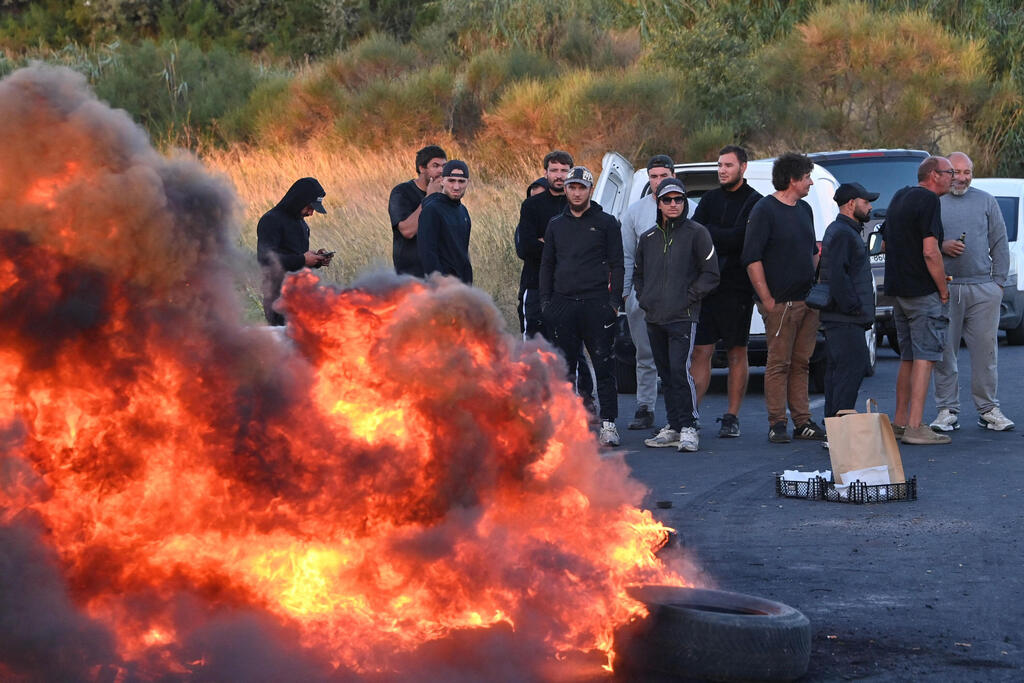
Sept. 17: Protesters near Sète in southern France block access to an oil terminal with burning tires
(Photo: Sylvain THOMAS / AFP)
The demonstrations have centered on a simple complaint: at current fuel prices, fishermen say going to sea is becoming economically impossible. The French government has responded by extending targeted fuel assistance through the end of the year and raising aid available to fishermen.
In Portugal, drivers organized through social media have staged slow-moving convoys, deliberately creating traffic jams while sounding their horns. One convoy reportedly blocked access near the major refinery at Sines. The government has announced measures aimed at easing pressure on taxi drivers, transport companies and emergency services as diesel prices reach record levels.
Cars burned in Guatemala
The protests have also reached Latin America.
In Guatemala, truckers, trade groups and other demonstrators have blocked roads over fuel prices, with some protests turning violent. Vehicles and barricades have been set on fire, and two police officers were shot and wounded during clashes on Sept. 11.
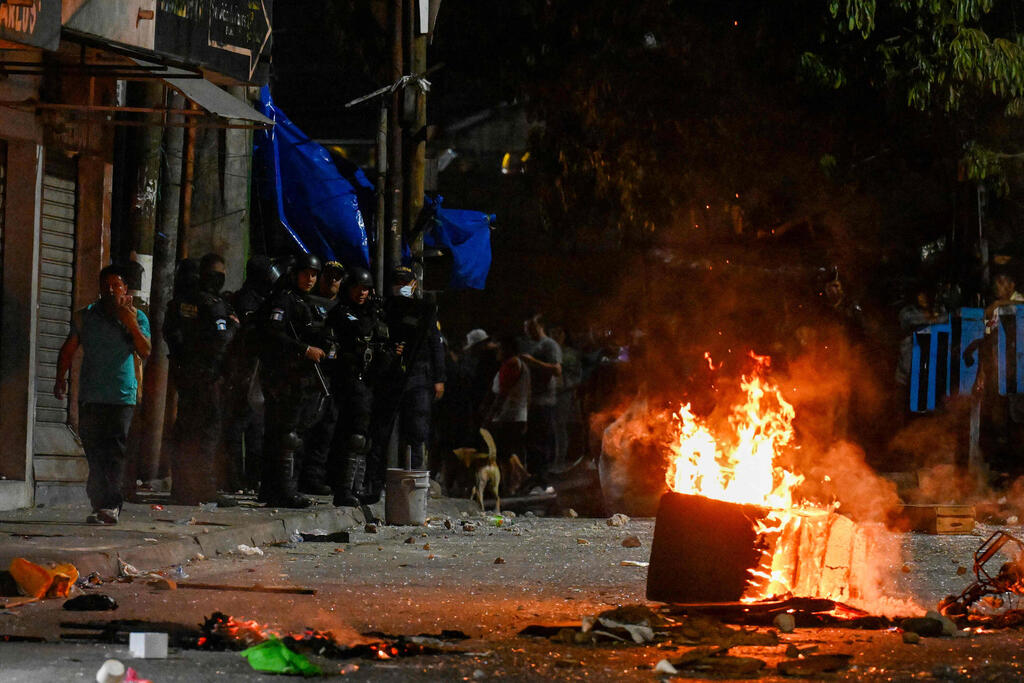
Clashes in Guatemala City over fuel shortages
(Photo: Johan ORDONEZ / AFP)
President Bernardo Arévalo has accused criminal groups and political rivals of exploiting legitimate public dissatisfaction to provoke violence and destabilize his government. Lawmakers are considering legislation that would cap diesel and gasoline prices and trigger government subsidies once prices cross a specified threshold.
The scenes in Guatemala, Syria and elsewhere illustrate how an oil supply shock that begins thousands of miles away can quickly merge with local grievances over poverty, inequality, taxes and distrust of government.
In the US, no protests but growing political pressure
The United States has so far avoided the street protests seen elsewhere, but fuel prices are becoming an increasingly significant political problem for President Donald Trump and Republicans ahead of the Nov. 3 midterm elections.
A New York Times/Siena poll conducted Sept. 8-13 found a sharp deterioration in perceptions of the economy even among Republican voters. In January, 72% of Republicans said the economy was better than it had been a year earlier; by September, that figure had fallen to 29%. The poll also found widespread dissatisfaction with Trump’s handling of the cost of living and the Iran war.
Fuel prices help explain the anxiety. Diesel has climbed above $6 a gallon and gasoline has hovered above $4 nationally, while economists warn that expensive energy can feed through into transportation, food, electricity and home-heating bills.
Trump has repeatedly insisted that the Iran war will end soon and that fuel prices will fall sharply when it does. At a campaign rally in North Carolina this week, he again sought to reassure voters as Republicans fight to retain control of Congress.
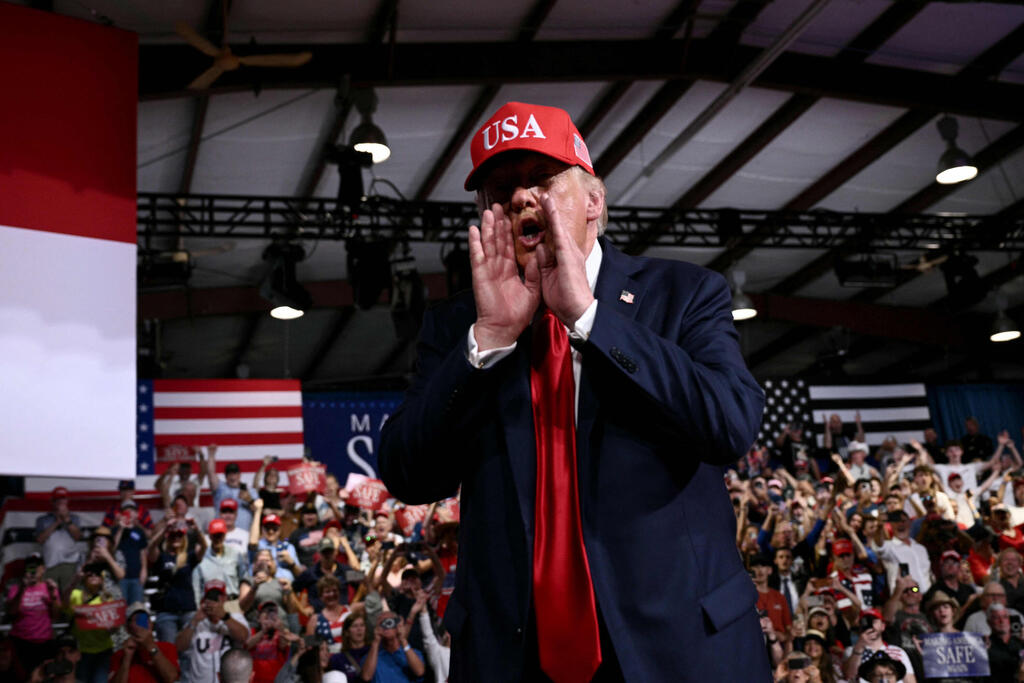
Trump at a campaign rally in North Carolina
(Photo: Brendan SMIALOWSKI / AFP)
The president has also argued that temporarily higher energy costs are justified by the objectives of the war, presenting them as a price Americans must bear for the campaign against Iran.
For governments elsewhere, however, there is less room to absorb that price. If disrupted energy supplies persist into winter, when heating demand rises across the Northern Hemisphere, pressure on households, businesses and public finances could intensify further.
The question is increasingly no longer whether the Iran war will raise the cost of energy around the world. It is how much economic and political strain governments can absorb before the anger now visible on streets from Syria to France and Guatemala spreads further.