


IDF Chief of Staff Lt. Gen. Eyal Zamir told ministers who complained about restrictions on soldiers under the ceasefire in Lebanon that “you wanted a ceasefire,” according to remarks from a Cabinet meeting Thursday night.
Prime Minister Benjamin Netanyahu said troops were free to respond to immediate threats. “For every immediate threat, the soldiers in the field respond,” Netanyahu said. “We are not restricting any soldier.”
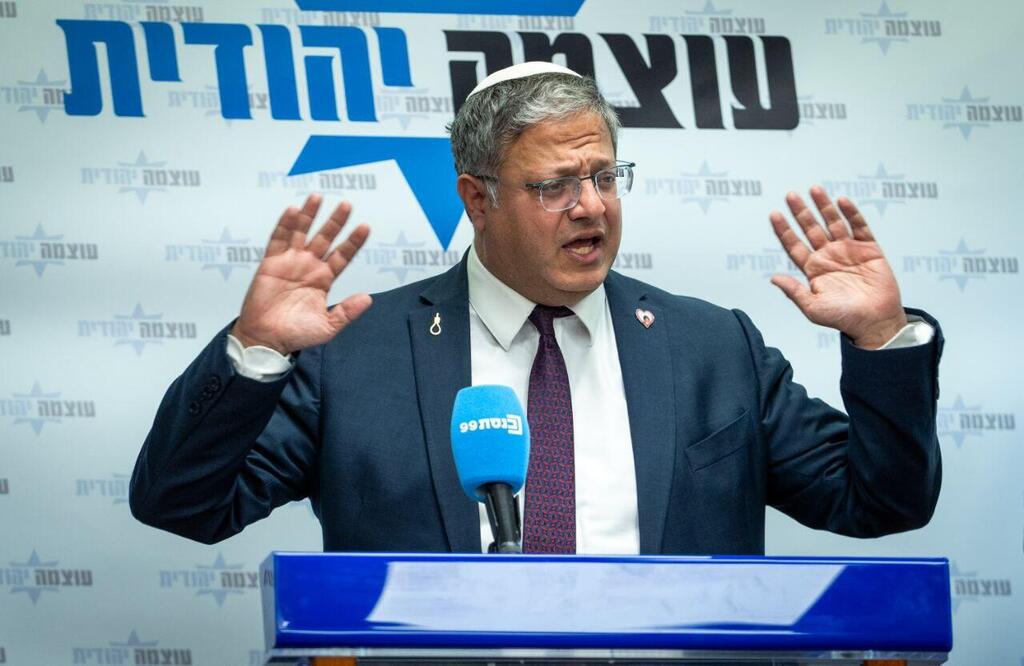
The discussion drew criticism from National Security Minister Itamar Ben-Gvir, who asked: “What about an emerging threat? If Hezbollah is seen rearming, why aren’t they being dismantled?”
Settlement and National Missions Minister Orit Strock said soldiers were criticizing the restrictions and felt “like they are at a shooting range.”
Ben-Gvir responded to Zamir: “I don’t want a ceasefire. Exactly for this reason.”
Netanyahu sought to reassure ministers, saying the Americans understand Israel’s right to defend itself. Defense Minister Israel Katz also said, “Every soldier can respond immediately.”
Strock said Hezbollah continues to move ammunition, while Minister Yitzhak Wasserlauf, of Ben-Gvir’s ultranationalist Otzma Yehudit party, complained that soldiers cannot respond to threats beyond the yellow line.
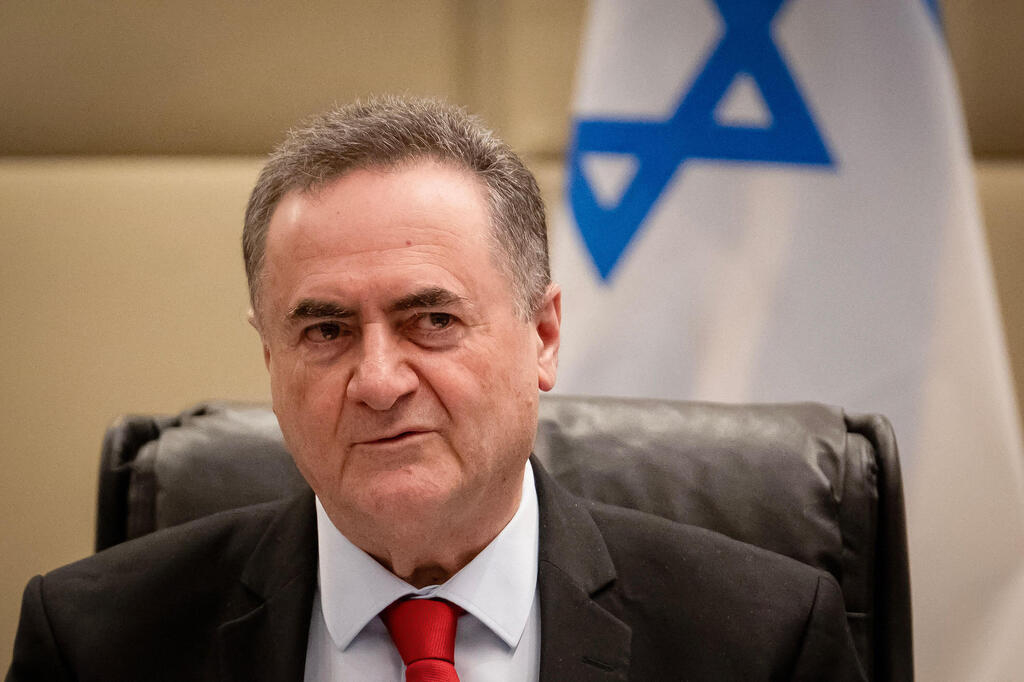
Defense Minister Israel Katz
(Photo: Aggelos NAKKAS / AFP)
“There are advantages and disadvantages to the ceasefire, but we are not endangering any soldier,” Katz said.
Ben-Gvir called for Israel to “collapse the agreement” and, after an incident in which a terrorist threw a grenade at soldiers, said: “There are soldiers who were wounded. We can hit hundreds of targets and bomb them.”
In the incident Thursday night, a terrorist approached troops operating near Beit Yahoun and threw a grenade, wounding two officers and two soldiers, the military said. The force returned fire and killed him. One officer was moderately wounded, while the second officer and two soldiers were lightly wounded.
The debate came as talks with Lebanon in Washington were described as tense, though American pressure appeared likely to produce compromises. U.S. Secretary of State Marco Rubio said Thursday that Israel and Lebanon were nearing understandings on Hezbollah-free pilot sectors. In those areas, the IDF is expected to withdraw from zones already cleared, with the Lebanese army taking its place.
Katz said Thursday at a Federation of Local Authorities conference that “even if there is an American demand, the IDF will not withdraw from southern Lebanon.”
“We will not leave the security zone in Syria and Lebanon,” he said. “This is the security concept. The IDF must be on the enemy’s side and protect communities from inside the territory itself. Soldiers inside, residents outside. We are not withdrawing.”