


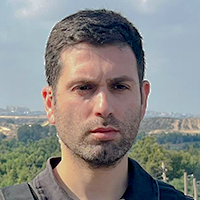
An IDF captain in the reserves, serving as deputy company commander, was recently removed from his unit after refusing to carry out a mission on the Morag Corridor in southern Gaza, in vehicles that did not have adequate protection.
According to reports, the officer objected to performing a “route opening” of the route, a daily patrol in search of explosives or threats, using open Humvees and insisted that his troops be provided with armored vehicles.
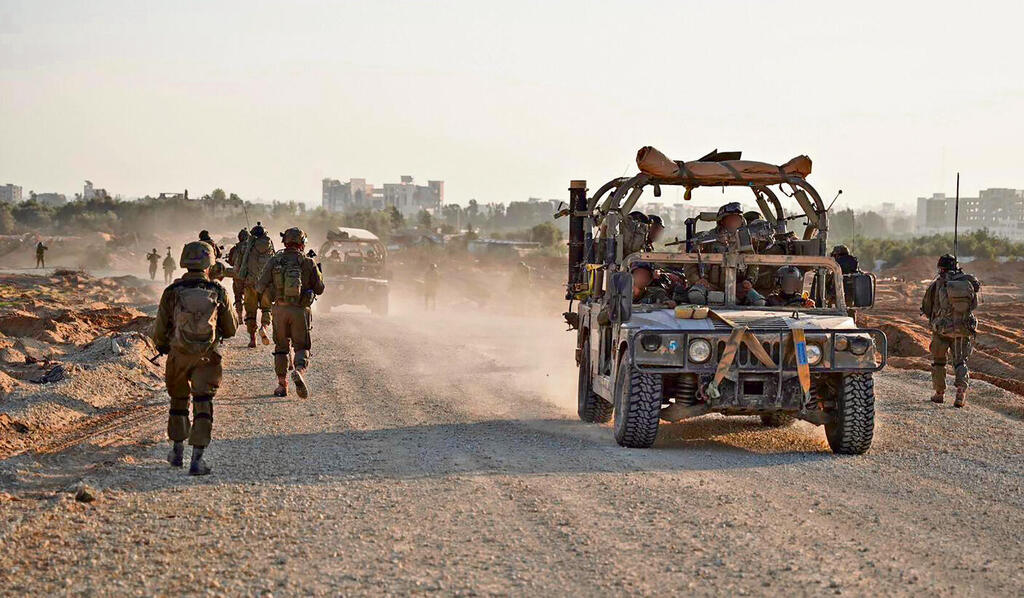
The IDF confirmed the report but claimed the Morag Corridor was 'relatively secure' compared to other areas in Gaza where troops regularly travelled in unprotected vehicles, including Humvees. However, the mission of opening a route, typically conducted in the early morning hours, is considered more dangerous.
It involves slow driving along the route’s edges, scanning for IEDs with the aid of trackers, engineering tools to clear the margins, drone support and other measures to detect whether terrorists approached overnight to set ambushes or plant roadside bombs.
Over the past year, particularly in recent months, soldiers were injured or killed in areas considered relatively safe in Gaza, including logistical access routes and rear positions in the security buffer zone near the northern border, the Philadelphi Corridor along Sinai and the new Khan Younis bisecting route, Magen Oz Corridor, which connects to the Morag Corridor.
In many cases, Humvees and light vehicles like Savannas were hit by roadside explosives. A reserve officer who served in Khan Younis recently explained the distinction: “There’s a difference between a midday logistical trip on a fully controlled bisecting route, secured with additional forces nearby and a route-opening mission at 5:00 a.m., right after a dark night when a terrorist could crawl silently to the route or a sniper could position themselves within firing range.”
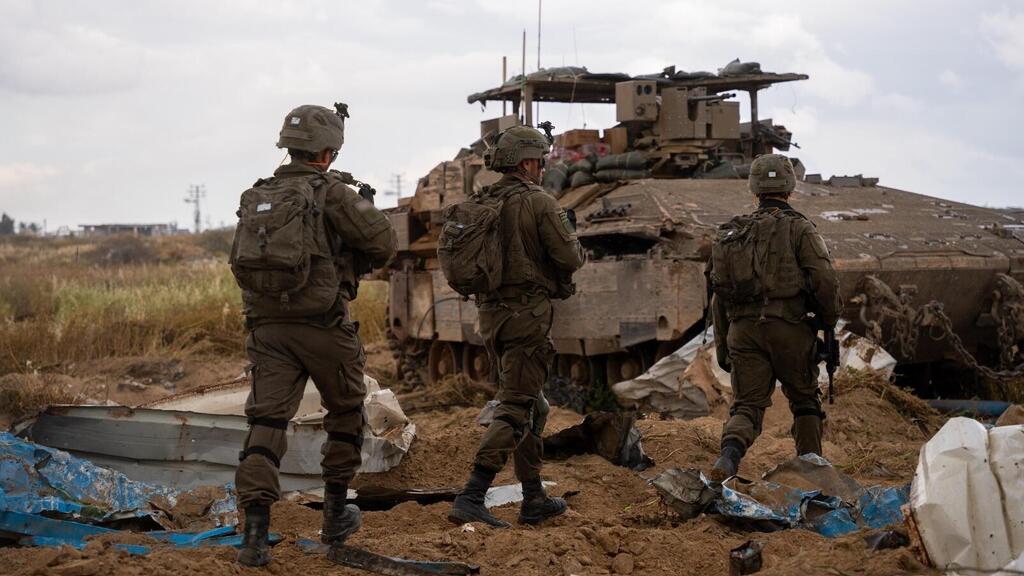
IDF troops at the Morag Corridor
(Photo: IDF Spokesperson's Unit)
Get the Ynetnews app on your smartphone: Google Play: https://bit.ly/4eJ37pE | Apple App Store: https://bit.ly/3ZL7iNv
IDF sources countered, saying that even the most heavily armored vehicles, like the Namer armored personnel carriers (APC), are vulnerable to anti-tank fire or explosives, as seen in a recent incident in Khan Younis where a Namer from the Golani Brigade was hit by an attached explosive.
The attack killed Captain Amir Saad, a 22-year-old technology and maintenance officer from Yanuh-Jat, and Sergeant Inon Nuriel Vana, a 20-year-old soldier from Kiryat Tiv’on. However, the incident occurred in an active combat zone, where risks are inherently higher.
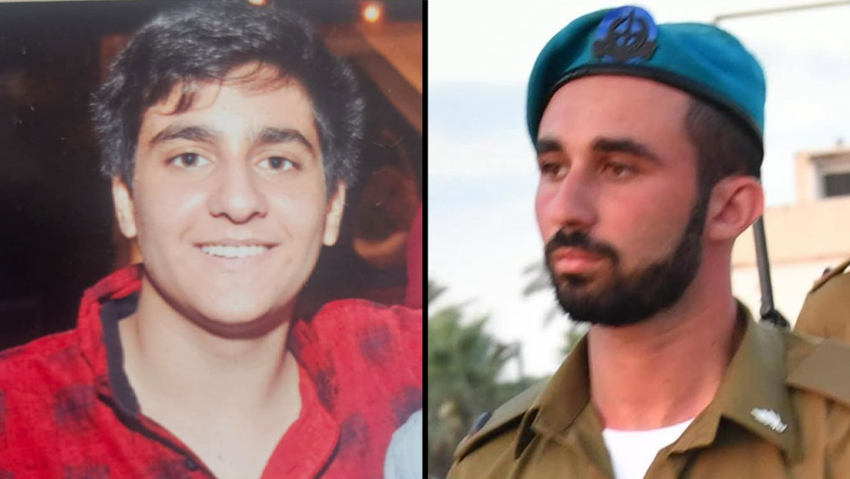
Sergeant Inon Nuriel Vana, Captain Amir Saad
(Photo: IDF Spokesperson's Unit)
Days ago, a soldier from the 188th Brigade was wounded near the Morag Corridor by a Hamas mortar attack, as static targets like temporary IDF outposts along bisecting routes are easier for terrorists to strike due to their fixed and visible positions.
The IDF noted that routes like Morag, Philadelphi and Netzarim are cleared of structures for hundreds of meters on all sides to reduce threats and detect suspicious approaches. “Risk management considers multiple factors, including operational and intelligence needs, as well as constraints like the availability of armored vehicles versus the need for faster, more mobile ones,” the IDF said.
“The claims are inaccurate. The officer was removed for refusing an order,” the IDF Spokesperson’s Unit said in response. “He had previously performed more complex missions in the same vehicle deep in the territory without objection. “The IDF continues to operate in Gaza, deploying forces based on operational needs with tailored measures to minimize risks and harm to our troops.”