

The ceasefire between Israel and Hamas took effect Friday afternoon, and within hours, thousands of Palestinians were seen returning north toward Gaza City along the coastal Al-Rashid road — the first such movement since most residents were evacuated during Operation Gideon's Chariots II.
The Israel Defense Forces (IDF) announced that its troops had repositioned along withdrawal lines and warned Gazans to stay away from Beit Hanoun, Beit Lahia, Shuja'iyya neighborhood and other areas where Israeli forces remain deployed. The military also cautioned against entering the sea for swimming, diving or fishing, stressing that approaching the border area with Israel remains “extremely dangerous.”
The Gazans are returning north


Gallery
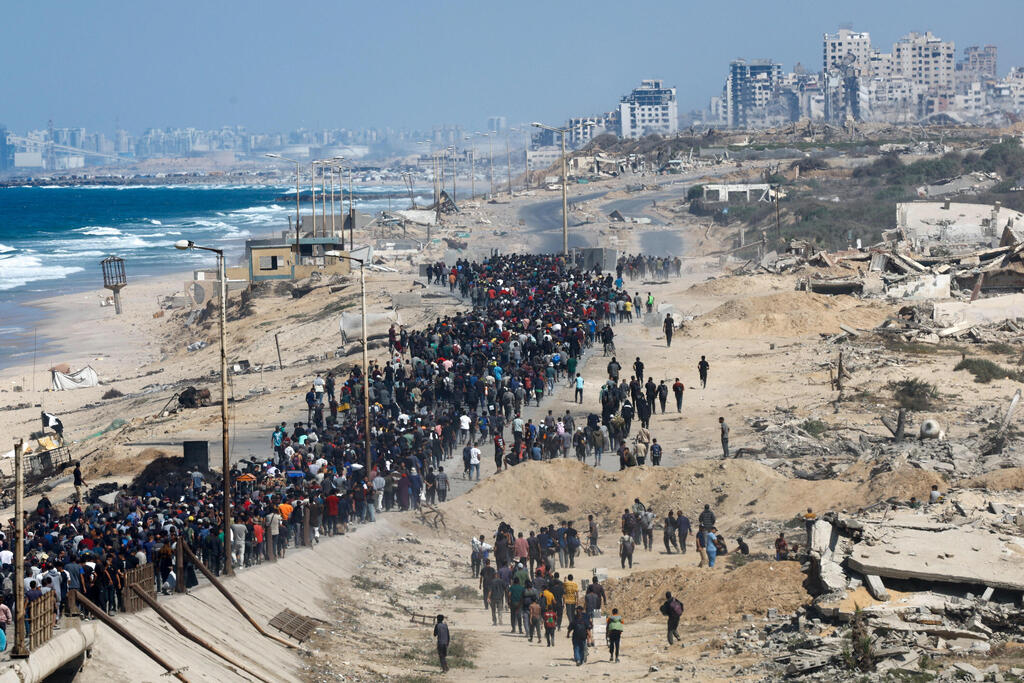
The Gazans return north, immediately after the ceasefire was announced
(Photo: Mahmoud Issa / REUTERS)

Gazans return to their homes in Gaza City
(Photo: REUTERS/Mahmoud Issa)
As part of the ceasefire agreement, a new humanitarian framework was established allowing for the reopening of the Rafah border crossing. For the first time since October 7, Palestinian residents will be permitted to return to Gaza, subject to Israeli approval. Departures through Rafah will also require Israeli and Egyptian coordination, with oversight from a European Union mission, similar to arrangements made in January.

Returning to the ruins in Gaza
(Photo: REUTERS/ Ebrahim Hajjaj)
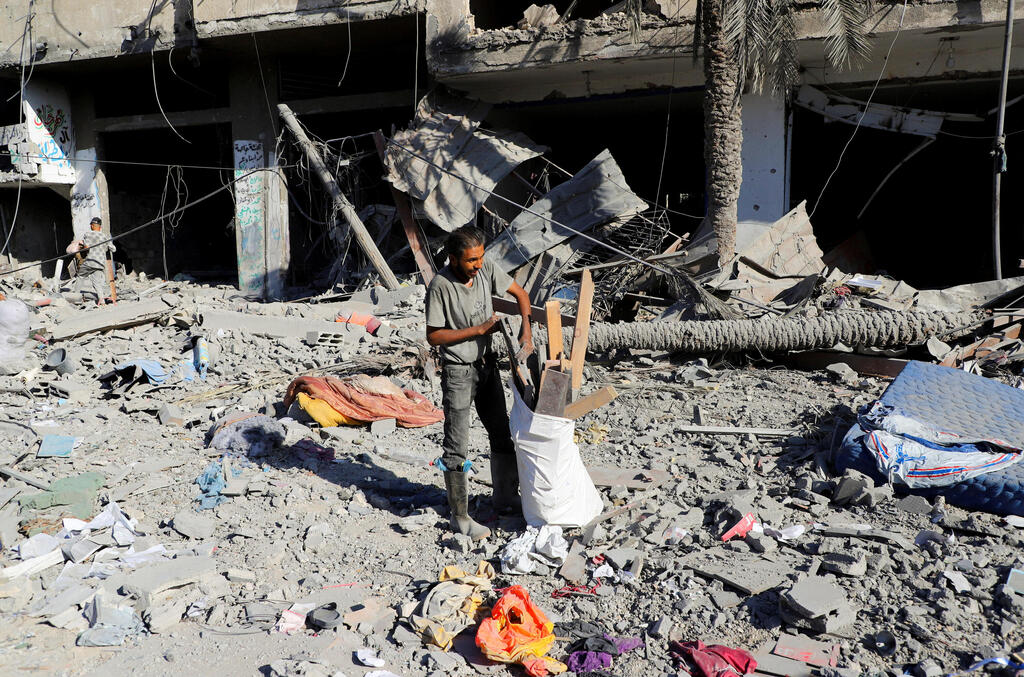
( Photo: REUTERS/ Ebrahim Hajjaj)
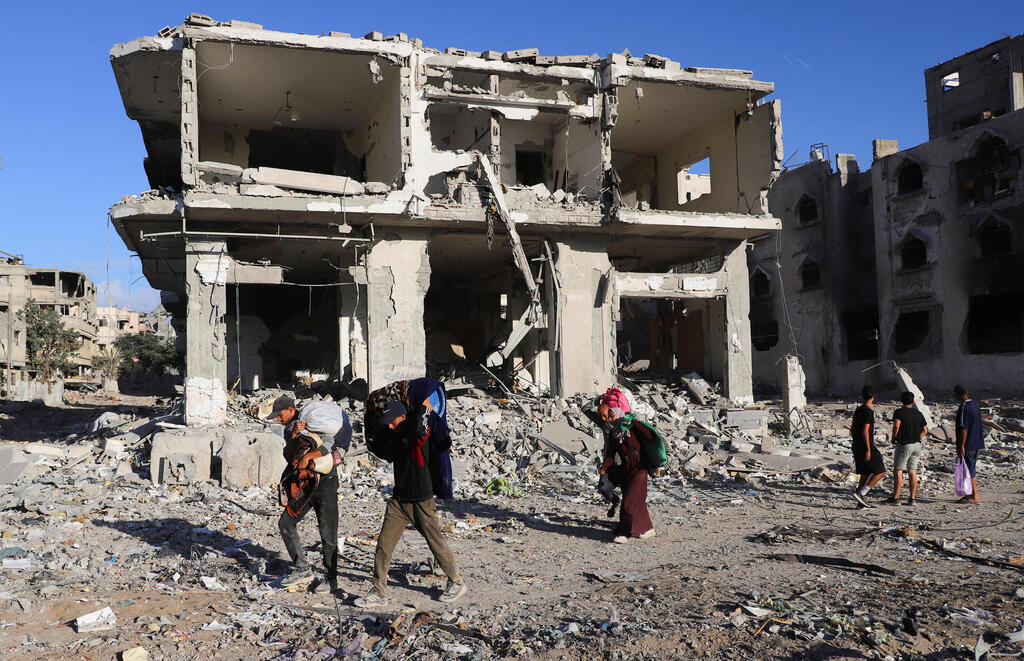
( Photo: REUTERS/ Ebrahim Hajjaj)
Under the deal, 600 aid trucks per day will be allowed to enter Gaza carrying food, medical supplies, shelter materials, fuel for hospitals and cooking gas. Equipment for repairing essential infrastructure — including water, sewage and bakeries — will also be permitted. The trucks will move along both the Al-Rashid coastal road and Salah al-Din Road, which runs north to south through the enclave.
Israel managed to preserve the key terms of the previous hostage-release agreement reached in January 2025. Meanwhile, the status of the U.S.-backed Gaza Humanitarian Fund (GHF), which operates aid distribution centers across the strip, remains unresolved.

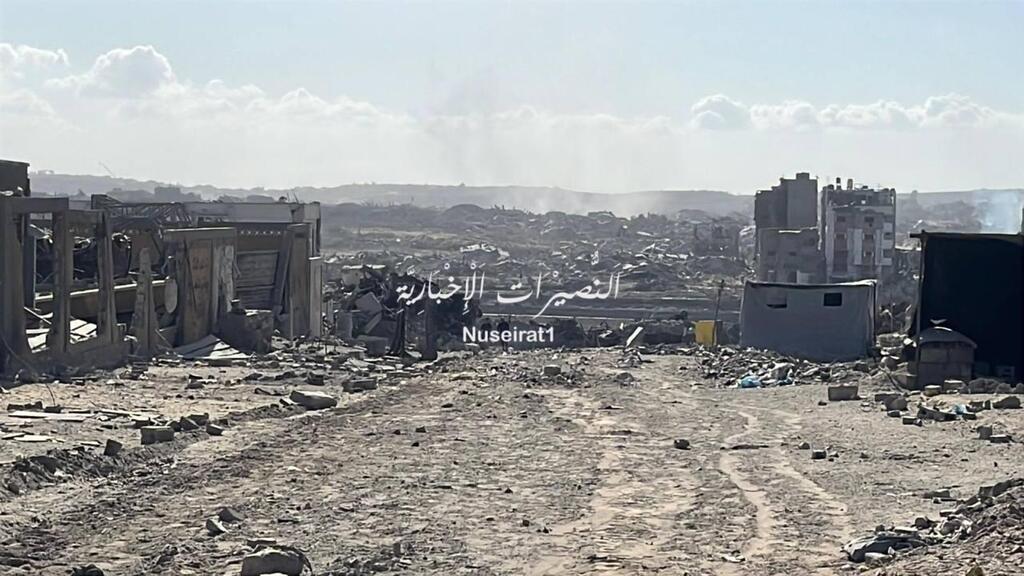
The ruins in Gaza

According to Lebanon’s Hezbollah-aligned Al-Akhbar newspaper, Egyptian sources confirmed a partial reopening of the Rafah crossing to allow two-way movement after logistical preparations are completed. The report said names of those crossing would be processed as part of a broader security coordination framework.
A Palestinian source told Qatar’s Al-Araby Al-Jadeed that the first stage of the deal involves opening five main crossings for aid deliveries through Egypt and Jordan. At least 400 trucks carrying food, medical supplies and engineering equipment for clearing rubble and rebuilding health centers are expected to enter Gaza daily.
An Egyptian official at Rafah told Al-Araby Al-Jadeed that Cairo is preparing hundreds of trucks loaded with aid from Arab and Islamic countries and coordinating the entry of fuel and cooking gas to “ensure essential services for the population.”