

A technology that had all but disappeared from the streets is making an unexpected comeback in Crimea. Russian authorities on the peninsula have begun installing public landline telephones to allow residents to call emergency services when mobile networks are disrupted. This time, however, the move is not about nostalgia but another sign of the growing impact the war is having on daily life in the Russian-controlled peninsula.
The new phones have been installed in public spaces and provide free calls to emergency services. Authorities in the western resort city of Yevpatoria said they have placed the phones at several locations across the city. Similar phones have also been installed in the cities of Armyansk and Dzhankoi, with officials planning to expand the network to additional areas where mobile reception is unreliable.
Gallery
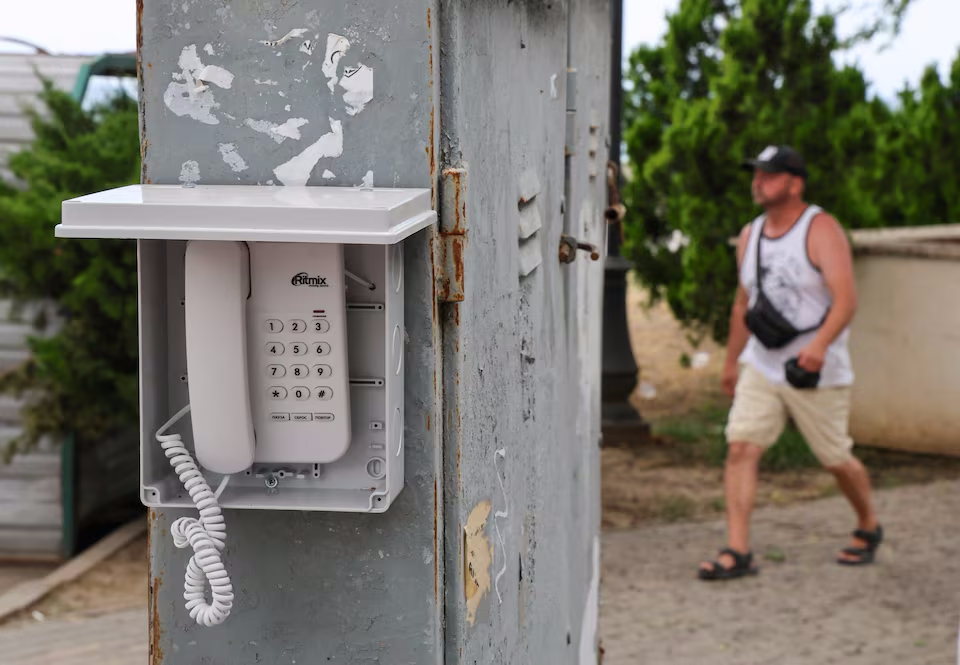
Russian authorities on the peninsula have begun installing public landline telephones
(Photo: REUTERS/Alexey Pavlishak)
Images from Yevpatoria look almost like a meeting of two eras. Next to bus stops, roads and smartphones stand simple metal boxes containing a handset and keypad. A sign above one of the phones tells residents it is intended for use if mobile communications are disrupted. "If they work during power outage - and I wish no one would ever want them - as an additional possibility for protection in this world, it's very good," Yevpatoria resident Maria Ushkova told Reuters.
The public phones have returned to the streets as Ukrainian attacks on Crimea have intensified. Russia seized and annexed the peninsula in 2014 in a move not recognized by most countries. In recent months, Ukraine has struck military bases, supply routes, power facilities and fuel infrastructure in Crimea, which Moscow has used as a key staging ground for operations in southern Ukraine. Kyiv says its goal is to isolate Crimea and weaken Russia's ability to continue the war.
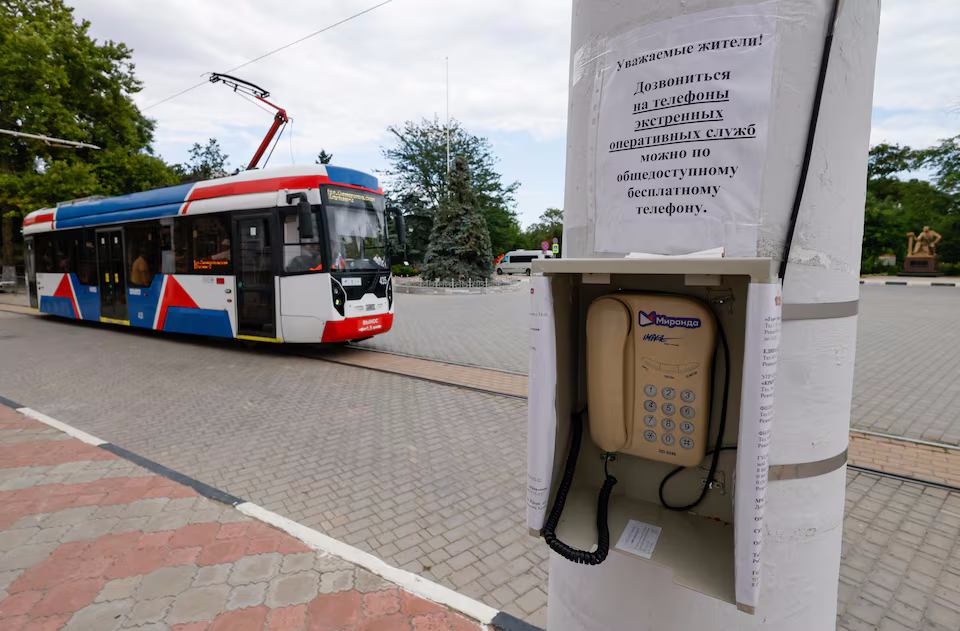
Next to bus stops, roads and smartphones stand simple metal boxes containing a handset and keypad
(Photo: REUTERS/Alexey Pavlishak)
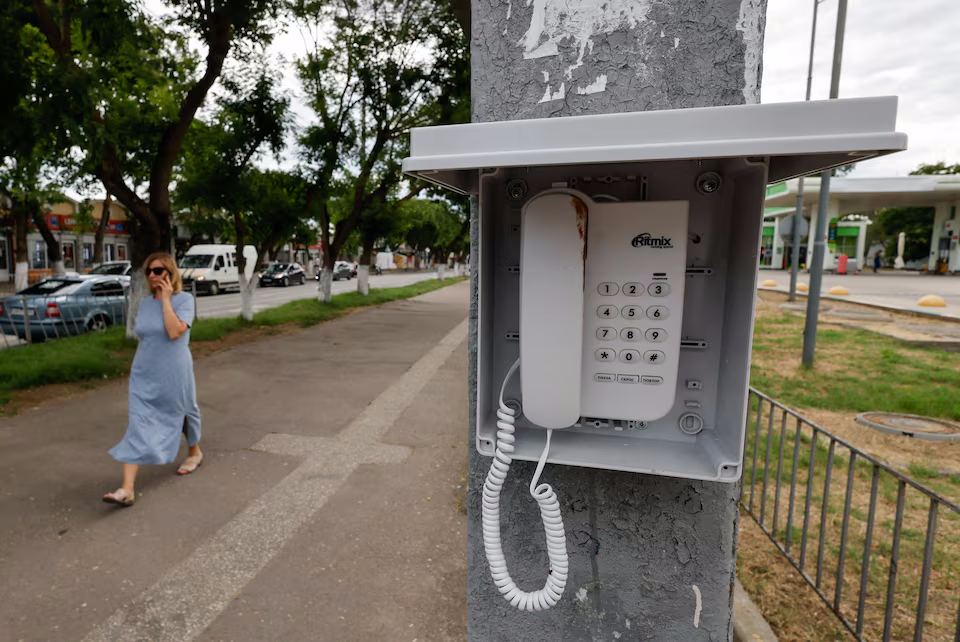
(Photo: REUTERS/Alexey Pavlishak)
Communications disruptions are only one part of a broader infrastructure crisis. More than 70% of Crimea's roughly 2.5 million residents have experienced power outages in recent months, while in some areas people have gone for days without electricity or running water. Authorities have said they will equip additional cellular towers with generators so they can continue operating during prolonged blackouts.
In June, Ukrainian strikes triggered a severe fuel crisis on the peninsula, prompting authorities to temporarily halt gasoline sales to residents and businesses in order to preserve supplies for government and emergency services. Another attack knocked out electricity in Sevastopol, Crimea's largest city, forcing the suspension of public transportation and prompting officials to urge parents to keep their children at home.
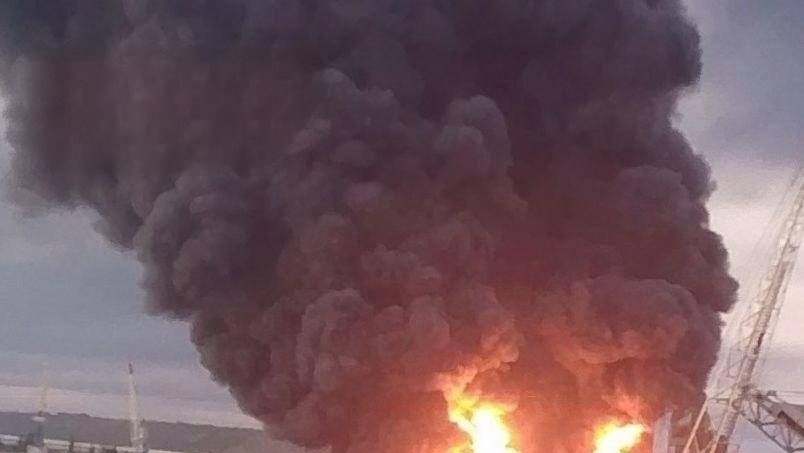
Fire at oil facility attacked in Crimea last month
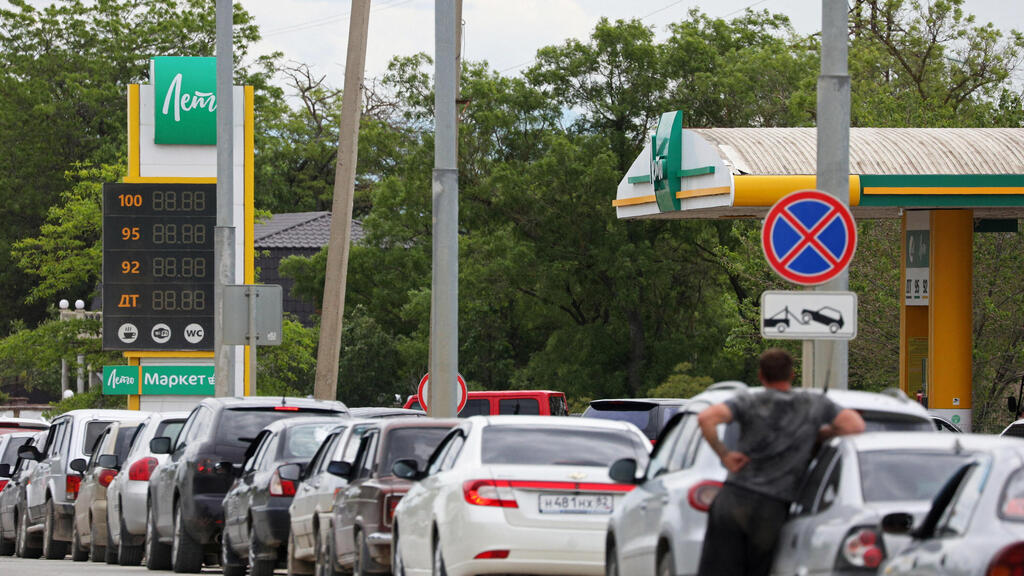
A line of vehicles at a gas station in Crimea
(Photo: REUTERS/Alexey Pavlishak)
The crisis has hit especially hard during the tourist season, long considered one of Crimea's main sources of income. Children's summer camps and beach events have been canceled, cafes and public transportation have reduced operating hours and residents describe a daily search for fuel, somewhere to charge their phones and a shower with running water.
"For 12 years they told us Crimea was 100% protected," a Yevpatoria resident who runs a guesthouse told The Guardian. She said that within the space of a month, residents found themselves without electricity, water and fuel. Another resident said authorities had promised the peninsula was prepared for any scenario, but it turned out they had not been ready for the worst one.
Earlier this week, Russian authorities in Crimea said 17 people were injured in a drone attack on the southern city of Yalta, which also damaged a high-rise residential building. Both Russia and Ukraine deny deliberately targeting civilians.
For now, the landline telephones installed on Crimea's streets have become a tangible symbol of the peninsula's new reality. In a region that was once a premier vacation destination and a symbol of Russian President Vladimir Putin's achievements, residents now find themselves relying on one of the oldest forms of communications technology simply to ensure they can call for help when the network goes down again.