

“Dad, I love you”; “Mom, they’re shooting on the road I’m on”; “I just wanted to tell you I love you, in case something happens.” On the morning of the October 7 massacre and in the hours that followed, parents received phone calls from their children. What was supposed to be the joyous holiday of Simchat Torah became a desperate effort to calm them, give instructions, offer hope and promise that everything would be all right. They did not know these would be the last words they would ever hear from them. Three years later, the recordings remain: the voices, the fear and the words the parents wish they had said differently.
'It was an unmistakable final goodbye'
“Dad, I love you.” Those were the first words the late Guy Illouz said to his father, Michel, when he managed to reach him by phone on the morning of October 7. “What happened? Where are you, Guychuk?” Michel asked. “I love you very much, Dad.”
“What happened, Guy?” his father asked, and Guy replied: “They killed Alon. I’m hiding in a tree. I was shot, I took a bullet. I’m lying here wounded, bleeding on the ground. Four people died in my arms, four. Dad, I just wanted to tell you that I love you.”
Gallery
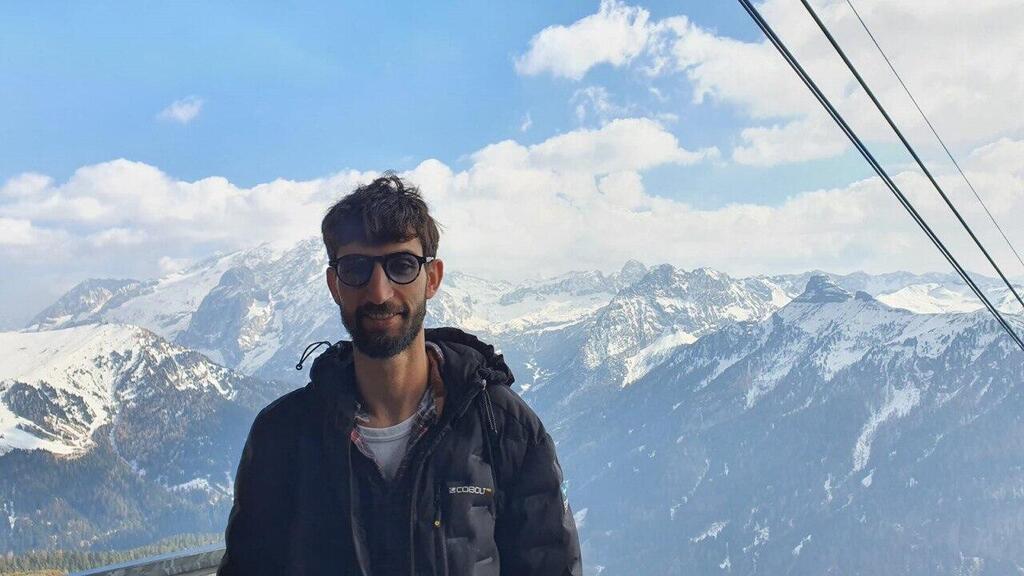
In his final conversation, he asked his father to tell his mother, sister and brother that he loved them. The late Guy Illouz
“Guy, don’t say goodbye to us. Stay with me on the line for a second,” Michel said.
Three years later, Michel still relives that conversation every day. “When I want to tell people who my son, Guychuk, was, I always start with that conversation,” he said. On Saturday, he hears it differently: “It was an unmistakable final goodbye. Guy understood what I refused to believe or understand.”
When the phone rang that morning, Michel still had no idea of the scale of the disaster. A siren had sounded and he was sitting at home with a cup of coffee. A blocked number appeared on his screen. On the other end was a Magen David Adom dispatcher who asked to connect his son to a conference call. Guy had fled the Nova music festival, was wounded by gunfire and was hiding among the trees near Route 232. His own phone had been left in the car, so he used the phone of his friend, the late Alon Verber, to make emergency calls and summon help.
Over the course of nearly an hour, Michel said, Guy made seven calls to emergency and security services. Even while wounded, he tried to explain where he was and ask them to come for him. During one of the calls, he said: “I also don’t understand why you’re not coming to save me. I can see IDF vehicles here, too. I can hear helicopters. Why aren’t you coming to save me?”
Michel tried to give Guy instructions and keep him alive. He told him to stay hidden and not try to be a hero. “I told Guy that I loved him, that he would get through it and that he had to be strong,” he said. “I think, ultimately, I told him everything. I instructed him to do what I thought was best.”
But there was one thing he did not do: say goodbye. “I regret that I didn’t understand quickly enough what was happening, that I was very confused about the situation. I regret that I didn’t say goodbye to him. I told him everything would be all right. I truly hoped and believed it would. I wanted to believe.”
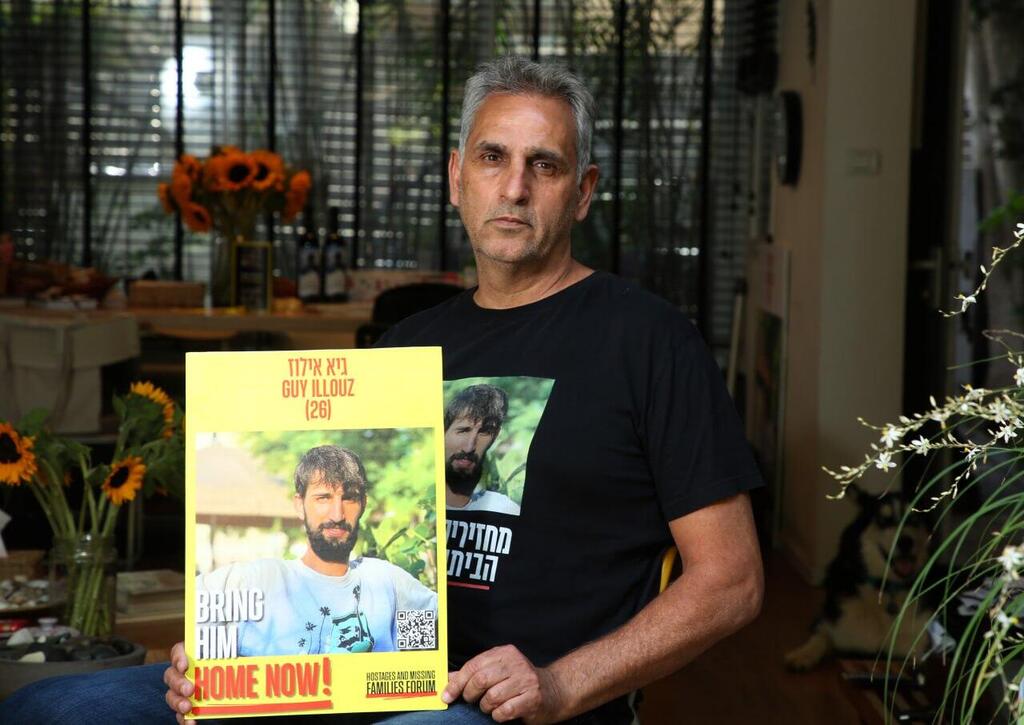
Michel holds a photograph of his son Guy before the most recent hostage deal: 'I know he said goodbye to everyone'
(Photo: Ryan Frois)
The call ended amid the sound of gunfire. Michel was convinced his son had been killed and went out to search for him. Only later did he learn that Guy had been abducted to Gaza alive. According to the testimony of Maya Regev, who met him in captivity, he was wounded and hospitalized in a Gaza hospital. After 57 days of uncertainty, she told the family that Guy was no longer alive.
There is another sentence Michel has returned to ever since. “He told me, ‘Dad, tell my mom I love her and tell my sister Maya and my brother Ori that I love them.’ Saturday, I know he was really saying goodbye to everyone. Guy didn’t leave this world without getting the chance to say the final words that mattered most to him. At least that gave me some comfort.”
'I should have told her I loved her'
Ronit also did not understand that her daughter was saying goodbye. Just hours earlier, she had been certain that the late Nitzan Rahum had not gone to the party at all. Nitzan was pregnant, suffering from nausea and had told her mother she was not feeling well and planned to sleep at her parents’ home. In the end, she went with her partner, the late Lidor Levy. Shortly before 7 a.m., the phone woke Ronit. “Mom, you can’t imagine what a nightmare this is,” Nitzan said. “What happened?” she asked.
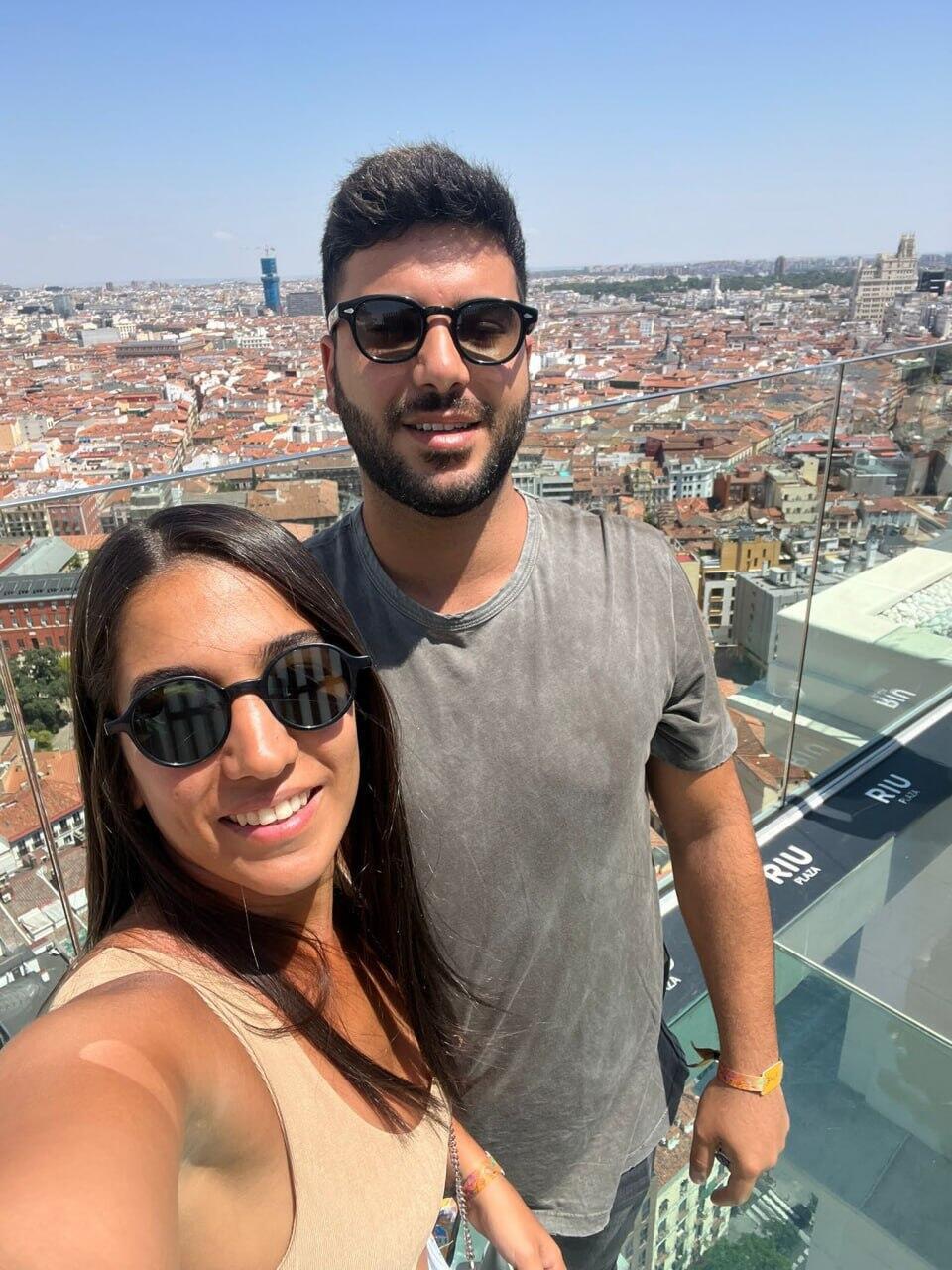
The late Nitzan Rahum and her partner, the late Lidor Levy, who were both killed at the Nova festival
“There are rockets and chaos at the party, you have no idea. Thank God I went with him and not alone. Otherwise I’d be on the road alone right now. We’re at a party in the south. The Red Alert started, rockets are flying over my head.” Ronit asked where she was. Nitzan said they were heading to friends’ home in Beersheba. “Come home,” her mother told her.
“We can’t. They’ve closed roads, everything is chaos. Everyone is driving and fleeing. You don’t understand how crazy it is.” Then her voice changed: “I don’t want to be here. I don’t want to be on this road,” Nitzan can be heard crying and shouting. “Nitzan, Nitzan, calm down,” Ronit tried to tell her.
“Mom, they’re shooting on the road I’m on.” Ronit replied: “Sweetheart, take a deep breath. Calm down.” Lidor, Nitzan’s partner, could also be heard on the call. “Everything is OK,” he said. “Calm her down, she’s panicking right now,” Ronit told him. “Hug her, hold her.” Lidor said: “Everything is OK. Stay calm, everything’s fine.”
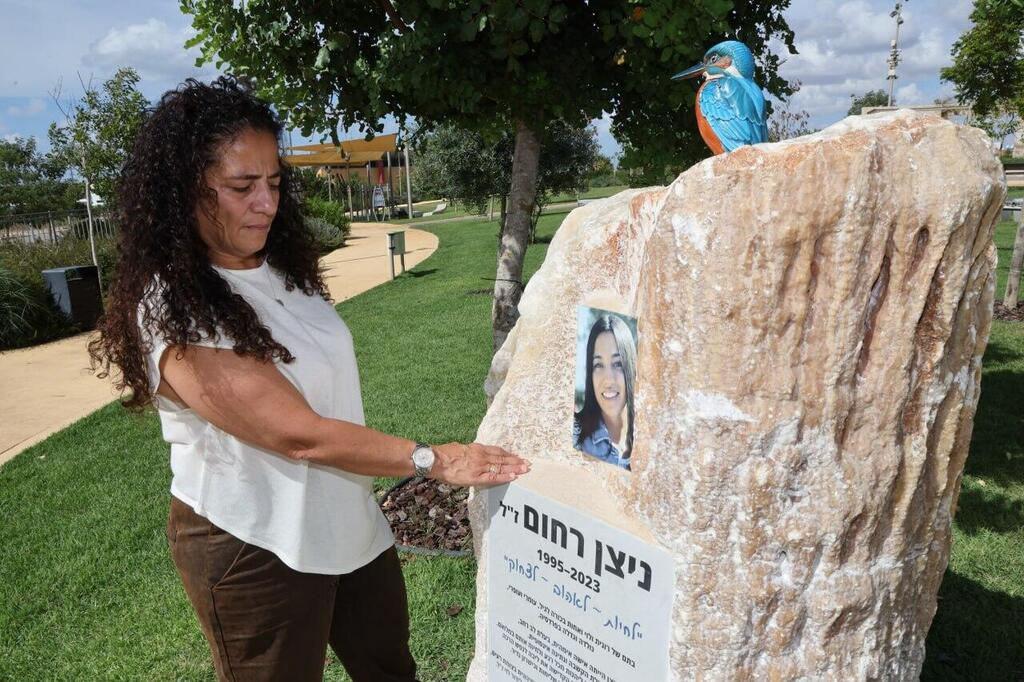
Ronit: 'My hope was that she had been taken hostage. Now I say ‘I love you’ more often'
(Photo: Yariv Katz)
On Saturday, when she returns to that moment, Ronit hears things she was unable to understand then. That morning, she still thought the danger was rocket fire. She knew her daughter as someone who was very fearful even in ordinary circumstances and attributed some of her panic to her anxious nature and to her pregnancy.
“I tried to calm her down angrily,” she said. “That is something I deeply regret. I should have tried to calm her instead of getting angry that she was scared. More than once during the call she told me, ‘Mom, this isn’t nothing. They’re here. They’re shooting at us.’ And I didn’t understand. I didn’t understand the scale of what was happening. It eats me alive.”
There were no words of farewell
They spoke twice and Ronit later also spoke with Lidor. When she realized terrorists were in the area, she asked him not to tell Nitzan so she would not become even more frightened. Nitzan was nearing the end of her fourth month of pregnancy. Just a week earlier, she had undergone an anatomy scan and the family learned she was carrying a boy. Amid the disaster, Ronit was also thinking about the grandson who was supposed to be born. “Take care of her, calm her down,” she told Lidor. ““She needs to stay calm.”
There were no words of farewell. Nitzan told her mother she would call when she reached Beersheba. That next call never came. For six days, the family did not know what had happened to her. “My hope was that she had been taken hostage and not murdered,” Ronit said. Eventually, the family learned that Nitzan had been murdered. Lidor was murdered as well.
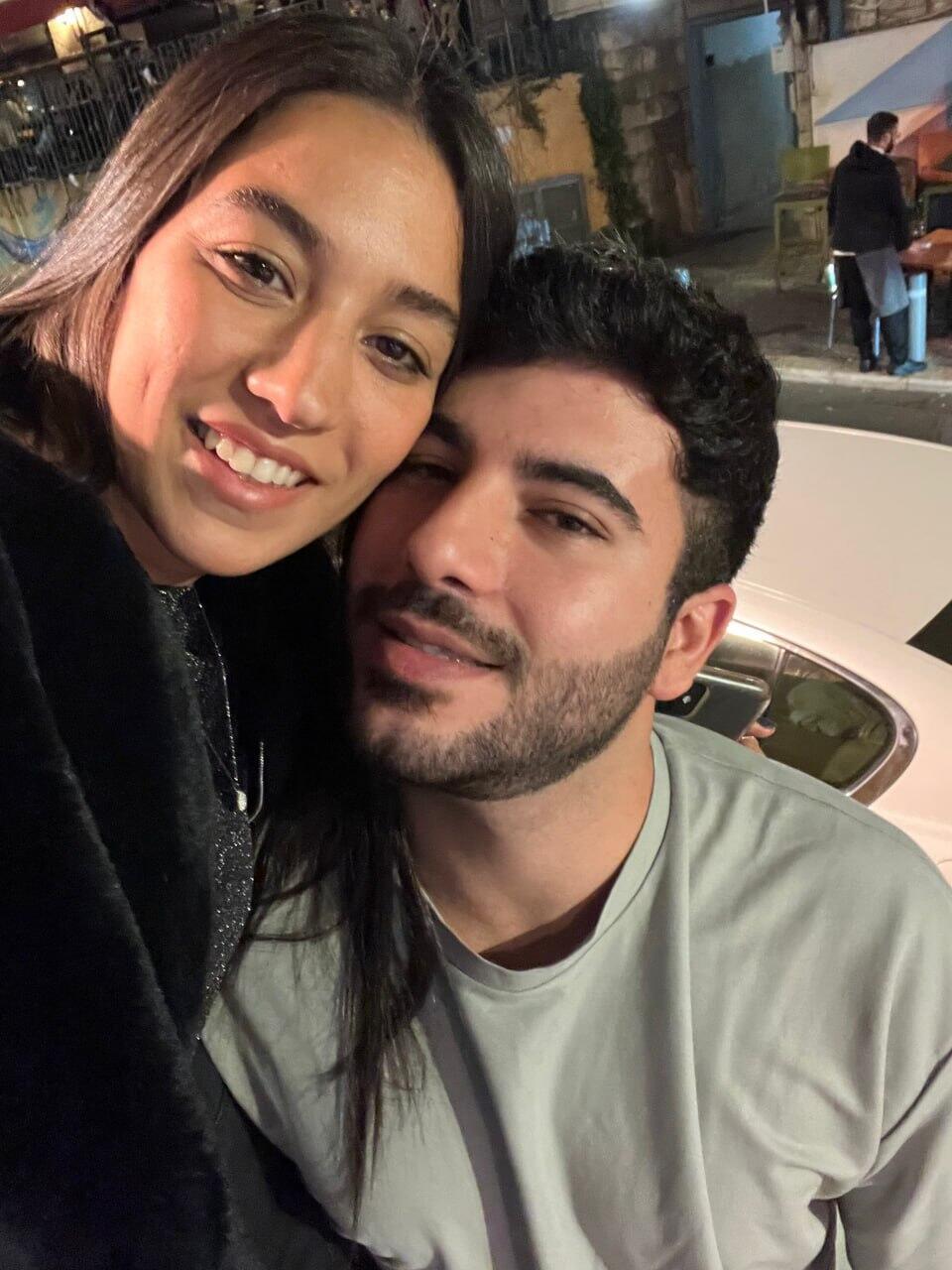
Ronit’s grandson Neil commemorates Nitzan and Lidor in his name: 'His smile makes me smile'
Three years have passed and Ronit returns to that phone call again and again. “Every day,” she said. “There are days when I go in just to hear her voice.” And what is hardest for her? “That I didn’t stay on the line with her. I would have stayed with her every second, so she could feel that I was there. I should have told her I loved her. That was the hardest thing for me.”
Since then, the loss has also changed the way Ronit speaks to her other children. “On the one hand, I’ve become anxious about them. I ask them to call me in the morning and evening, just to say hello. They don’t have to tell me where they are or where they’re going. I don’t want to pry. But I do want to hear them and know that everything is all right.”
Above all, she now says aloud the words she so desperately wishes she had said during that final conversation with Nitzan. “Now I say ‘I love you’ more. I hug more. I tell them I’m proud of them, that I love them. We used to say ‘I love you’ less often. Now I try to say it every day.”
Ronit now has a 10-month-old grandson, Neil, the son of Gil, Nitzan’s younger sister. His name also commemorates them: the Hebrew letter nun from Nitzan and lamed from Lidor. Ronit says he reminds her greatly of her daughter. “He even looks exactly like her at that age. Exactly. I show people and their mouths fall open,” she said. “It’s as though she left me a piece of herself in Neil.” She calls him “a light in the darkness”: “His smile makes me smile.”
'He knew this was the last call'
For Dikla, the call came after hours in which she had been convinced her son, the late Reem Meir Batito, would make it out alive.
On the morning of Simchat Torah, her parents were staying at her home in Netanya. When her sister, who observes Shabbat, called, Dikla realized something extraordinary was happening. She turned on the television and saw the images from southern Israel, but at that very moment, she said, she was overcome by an almost inexplicable sense of confidence.
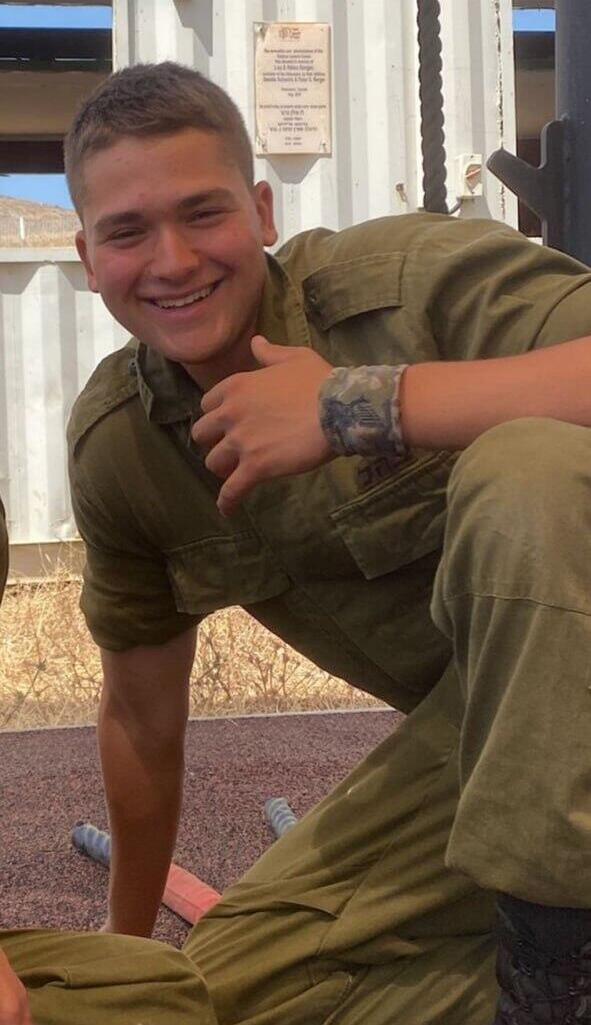
Reem did not elaborate, but told his mother: 'There are things here no one should see'
(Photo: Courtesy of the family)
““I can sense Reem,” she told her father. “He’s OK. I can feel it. He’s fighting. He’s a lion, he’s strong. There’s no way anyone can hurt him.” Reem was at the Kissufim military post and fought for hours. Toward evening, he called home.
“Reem, where are you?” Dikla asked. “I’m back at the post. Waiting for further orders,” he replied. “Are there other soldiers with you?” she asked. When her son answered, “Whoever’s left,” she replied anxiously: “What do you mean, 'whoever’s left'? Do we have a lot of wounded? Dead?” Reem did not elaborate: “Plenty. I love you and I’m sorry if I ever hurt you.”
“You didn’t hurt us. Everything is OK. You need to be strong,” Dikla replied. “I just wanted to tell you I love you, in case something happens,” Reem insisted. “Nothing is going to happen, Reem. Everything is fine. You’ve been preparing your whole life for a situation like this. You know exactly what to do.”
“You don’t understand what’s happening here ... never mind. There are things here no one should see,” he continued. “These are the moments when you have to believe in yourself. Reem, you can do this. I know who you are.” His sister could be heard in the background: “I love you. Good luck.”
Dikla now believes her son knew. “Looking back, I understand that he knew this was the last call,” she said. “At the time, it never crossed my mind.”
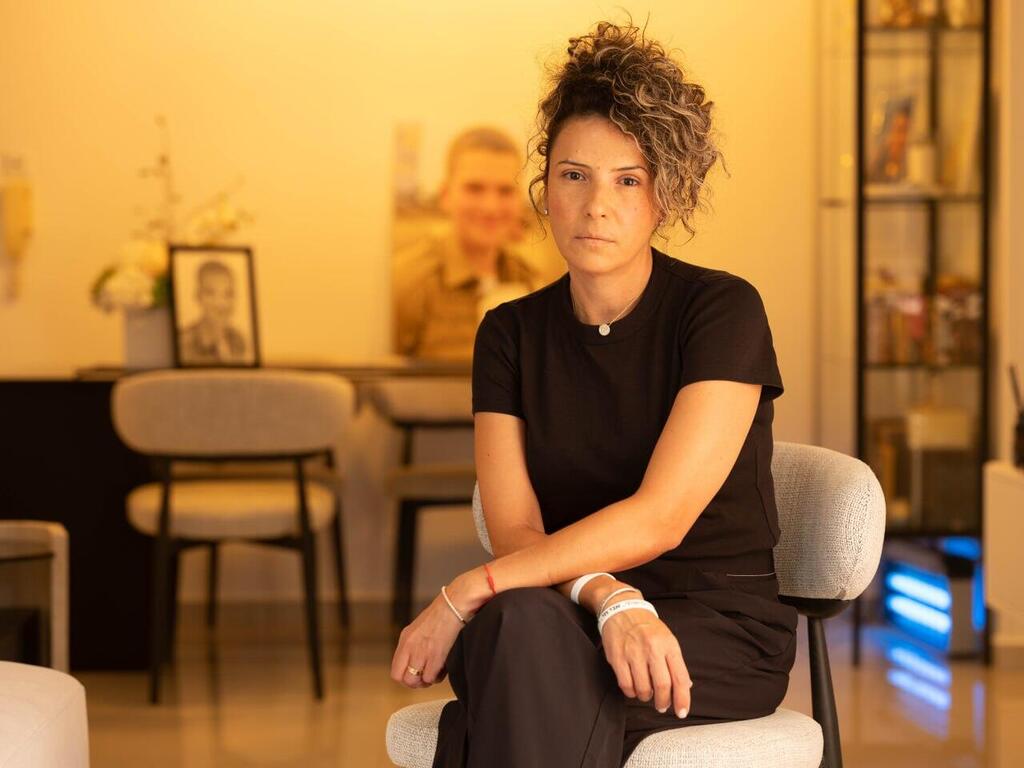
Dikla: 'More than anything, I regret not simply starting the car and driving'
(Photo: Yuval Chen)
Only later did Dikla understand what he meant when he said: “whoever’s left.” “He said things very vaguely,” she recalled. “He knew me so well. If he had phrased things just a little differently, he knew that Mom Dikla would have gotten in the car and driven there, no matter what.”
The call lasted about seven or eight minutes, she said. Toward the end, the phone was passed to her husband, Ofir, who asked Reem about the equipment he had with him. Dikla continued shouting in the background: “Reem, take care of yourself. Please, take care of yourself.” Reem said he had to end the call because he was becoming emotional and talking to his family was bringing tears to his eyes. After hanging up, he sent his sister one final message: “I love you very much.”
About 10 minutes after the call, Dikla said, Reem was killed.
Three years later, her regret is not about something she failed to say but something she failed to do. “I’m not someone who believes in words. I’m someone who believes in actions,” she said. “More than anything, I regret not simply starting the car and driving. That is what I regret most — that I stayed where I was.”
'Through the calls, I understand how to fulfill his final wishes'
Dikla has more than 2,000 recorded conversations with Reem saved on her phone and every morning she returns to one of them. “Every morning, I listen to Reem and me talking on the phone,” she said. “I ask him for a message and try to draw some strength from it.” Once, while driving to the cemetery after Yom Kippur ended, she asked him aloud to give her a sign that he was all right. When her phone connected to the car’s system, one of their old conversations began playing and the first thing she heard was Reem’s voice telling her: “Mom, g’mar chatima tova,” the traditional greeting said at the conclusion of Yom Kippur. “I started crying my heart out,” she said.
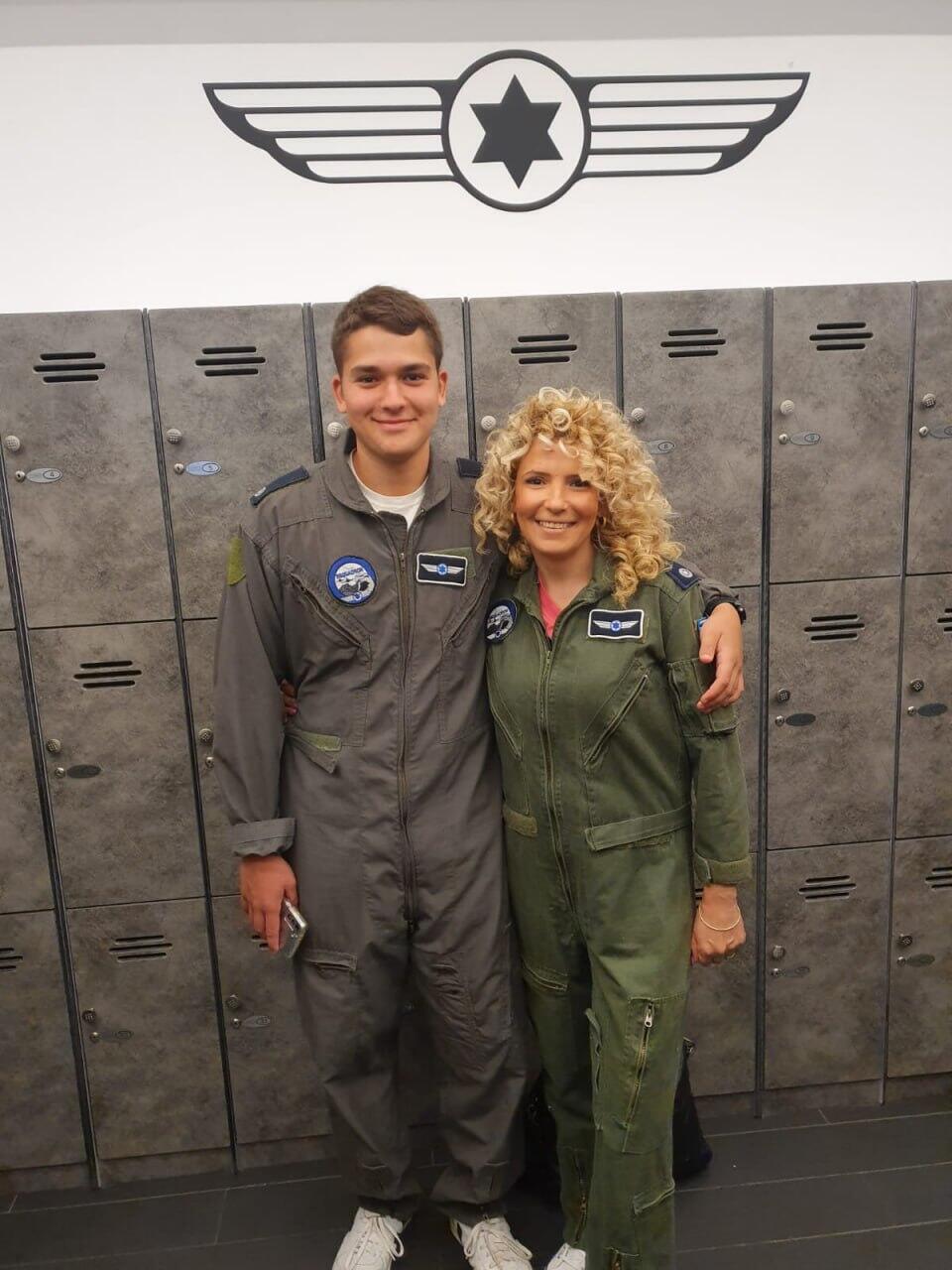
Dikla has more than 2,000 recorded conversations with Reem: 'Every morning I ask him for a message'
(Photo: Courtesy of the family)
Over time, she said, the recordings have also become a way for her to continue learning from him. “I listen to my conversations with him and realize just how mature, genuine and precise his perspective on the world was. Through these conversations, I learn how to conduct myself and how to fulfill Reem’s final wishes.” Things she once tried to temper in him have taken on a different meaning. “Now I listen to them and say, ‘How did I not tell him, Reem, you’re right?’ On the other hand, I know his soul is here and that he sees me, and I try very hard to make him proud of me.”
Three years later, the parents hear these conversations differently: the words they did not understand at the time, the fear they tried to calm, the things they themselves said and the things they never had the chance to say. “This is what remains of Guy,” Michel said. “The final conversation, the music he created, his dog Georgie. Nothing in life can prepare you for this.”