

The military struck multiple sites in Tehran early Saturday where senior Iranian officials had gathered, delivering the opening blow of Operation Roaring Lion. Officials in Israel expressed cautious optimism that several top figures may have been killed.
Among those believed to have been targeted — and possibly eliminated — are Iran’s Supreme Leader Ayatollah Ali Khamenei; his close adviser Ali Shamkhani, secretary of Iran’s Supreme National Security Council; Islamic Revolutionary Guard Corps commander Gen. Mohammad Pakpour; Defense Minister Aziz Nasirzadeh; armed forces Chief of Staff Maj. Gen. Abdolrahim Mousavi; and Intelligence Minister Esmail Khatib.
Gallery
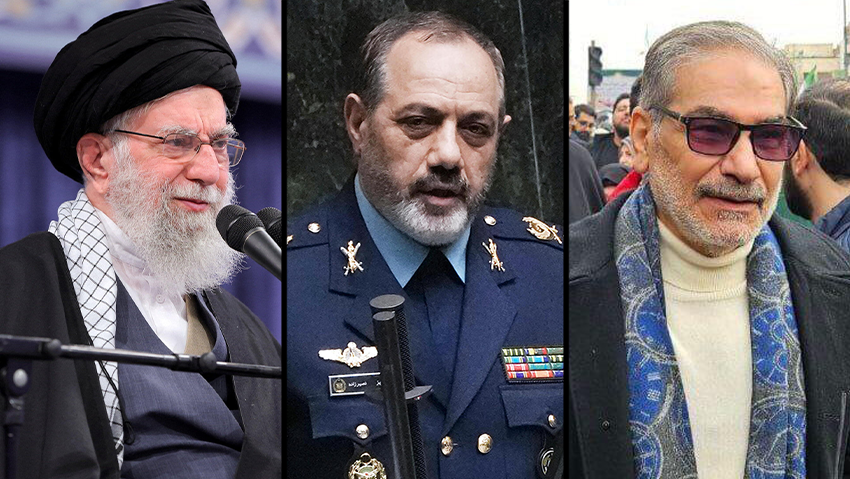
Iran’s Supreme Leader Ayatollah Ali Khamenei, Defense Minister Aziz Nasirzadeh, Ali Shamkhani, secretary of Iran’s Supreme National Security Council
(Photo: AP Photo/Vahid Salemi, Office of the Iranian Supreme Leader/WANA (West Asia News Agency)/Handout via REUTERS)
The opening strikes occurred at about 8:10 a.m., when the military simultaneously attacked several locations in Tehran where senior political and security officials were convening. U.S. reports said Israel — not the United States — carried out the strike on Iran’s leadership as part of a division of responsibilities between the two countries.
The operational plan was developed over months and centered on an intensive intelligence effort to identify an opportunity when senior regime figures would be gathered. The decision was made to strike in the morning rather than overnight, achieving what officials described as tactical surprise despite heightened Iranian readiness. Military intelligence significantly expanded its target bank in preparation for the operation.
Khamenei’s long rule at an end?
Khamenei, 86, has ruled Iran for more than 35 years. In recent months, reports said he had been sheltering in a bunker in Tehran with family members following earlier Israeli operations. Satellite images published after Saturday’s strikes showed heavy damage and smoke rising from his residential compound in the capital.
Born in Mashhad, Khamenei studied at a Shiite seminary in Qom and became active in opposition to the shah. He was arrested several times in the 1960s for political activity. After the 1979 Islamic Revolution, he held senior posts, including deputy defense minister and representative of revolutionary leader Ayatollah Ruhollah Khomeini to the Supreme Defense Council.
IDF strikes in Iran
(Video: IDF)


In 1981, Khamenei survived an assassination attempt that left his right arm paralyzed. He later served two terms as president before being appointed supreme leader in 1989 after Khomeini’s death. During his tenure, he consolidated power, backed Hezbollah and other militant groups and oversaw crackdowns on domestic protests.
Other senior officials targeted
Ali Shamkhani, a close adviser to Khamenei and recently appointed secretary of the Supreme National Security Council, was also among those believed targeted. Shamkhani previously survived an earlier assassination attempt during Operation Rising Lion, when his home was struck and he was trapped under rubble for hours. A former navy commander and defense minister, he was considered one of the regime’s most senior officials.
Gen. Mohammad Pakpour, commander of the Revolutionary Guard, was appointed eight months ago after his predecessor was killed in a previous Israeli operation. Pakpour had led the Guard’s ground forces for about 16 years and was sanctioned by the United States in 2019. During recent unrest in Iran, he supported a harsh crackdown on protesters.
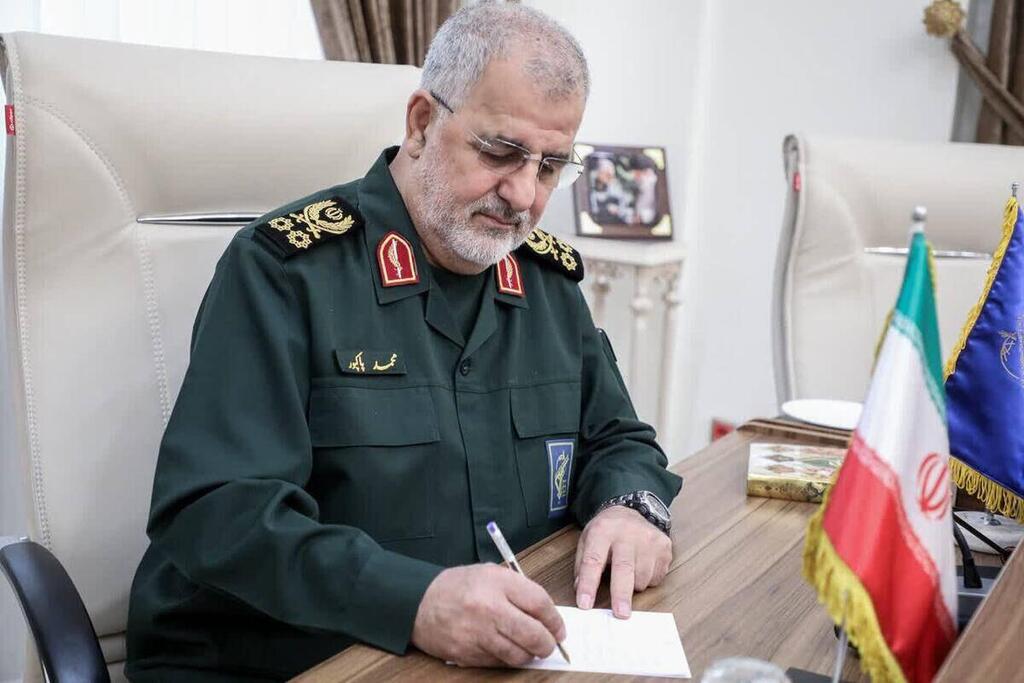
Gen. Mohammad Pakpour, commander of the Revolutionary Guard
Defense Minister Aziz Nasirzadeh, appointed in August 2024, frequently warned that Iran would respond forcefully to any attack. A trained pilot and former air force chief, he threatened strikes on U.S. bases if Iran were attacked.
Mousavi, appointed chief of staff in June after his predecessor was killed in an earlier strike, had recently warned that any military action against Iran would carry a “heavy and irreversible price.” He previously served as commander of Iran’s regular army and was a member of the Supreme National Security Council. The European Union sanctioned him in 2022 over Iran’s crackdown on protests.
Intelligence Minister Esmail Khatib, appointed in 2021, was sanctioned by the United States over alleged cybercrimes. In recent months, he warned that Iran would respond strongly to Israel in line with Khamenei’s directives.
Israeli officials have not confirmed the deaths of the targeted leaders and said assessments are ongoing.