

For weeks, Israel has been engaged in intense discussions over how to respond to France’s push to recognize a Palestinian state with the possibility of annexing parts of the West Bank also under consideration. However, one warning, described by Israeli officials as extraordinary, may have prompted Prime Minister Benjamin Netanyahu to step back—or at least reconsider his approach—despite pressure from his coalition partners.
The public warning came last Tuesday when the United Arab Emirates cautioned Israel and the international community that any move to annex the West Bank would constitute a red line for Abu Dhabi and severely damage the Abraham Accords, which normalized relations between the two countries. The warning was issued via Reuters by Lana Nusseibeh, the UAE’s Assistant Minister for Political Affairs and envoy of the UAE foreign minister, who has been a vocal advocate for a two-state solution to the Israeli-Palestinian conflict.

According to three sources familiar with the matter, the warning was preceded by a series of behind-the-scenes messages from the Emirates to Israel. Two of those sources, speaking to The Washington Post, said the public statement came after Abu Dhabi grew frustrated by Netanyahu’s lack of response to secret appeals.
The UAE also felt that, in addition to Israel’s silence, the Trump administration had quietly backed Israel. According to the sources, it appeared that the Americans were “following Netanyahu” rather than clearly stating Washington’s longstanding policy, since 1993, of supporting the establishment of a Palestinian state that includes parts of the West Bank.
An Israeli official acknowledged that Nusseibeh’s statement caught Israel off guard. “The UAE had expressed their concerns about annexation through other channels, but this statement came as a surprise. It’s very unusual,” the official told the Post. And that exceptional, unexpected warning appears, at least for now, to have achieved its effect.
Two days later, last Thursday, Israel was scheduled to hold a discussion on the contentious issue, but instead conducted a general situational assessment of the West Bank with the annexation issue officially removed from the agenda just hours before the meeting.
Domestic pressure on Netanyahu, quiet backing from Washington
It remains unclear whether the sharp warning and the threat to the Abraham Accords will deter Netanyahu from such a controversial move even as Israel faces mounting international criticism. The Washington Post suggested that undermining the agreements brokered by President Donald Trump could also strain relations between Netanyahu and the current U.S. president. Abu Dhabi officials believe that after issuing the warning, both the United States and Israel are now taking the messages that were initially delivered behind closed doors far more seriously.
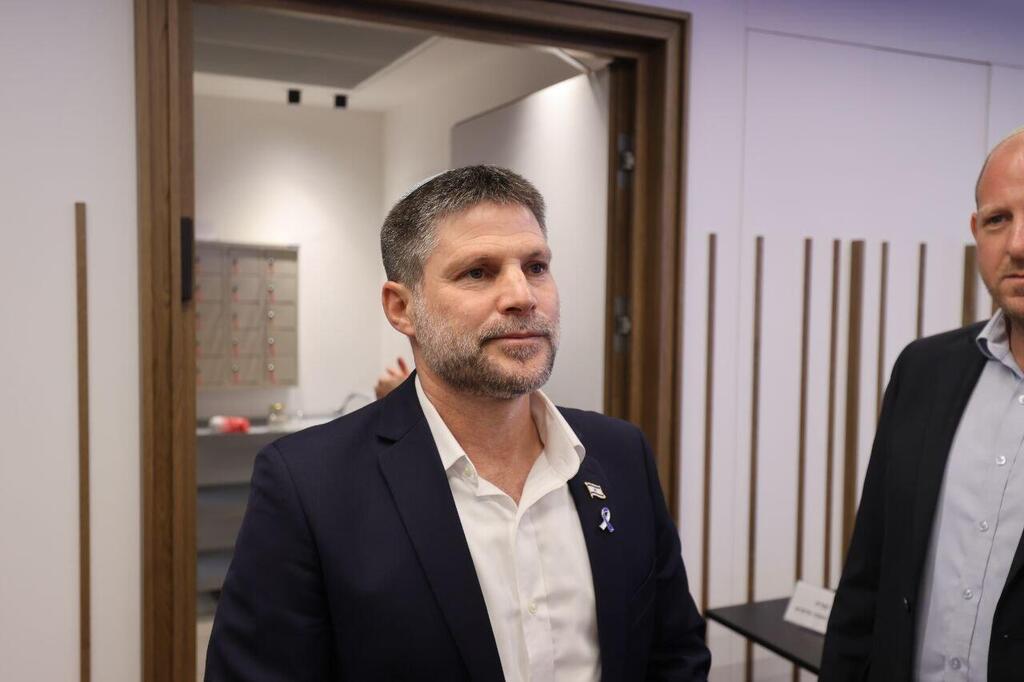
Earlier this week, Finance Minister Bezalel Smotrich called on Netanyahu to impose sovereignty over the West Bank, specifying that he intends to apply Israeli law to 82% of the area while leaving 18% under Palestinian control. “Maximum land, minimum Arabs,” he said.
(Photo: Alex Kolomoisky)
“The broad consensus in favor of sovereignty stems from the understanding that we cannot allow an existential threat to operate within us. The time has come to apply Israeli sovereignty in the West Bank and remove the idea of dividing this small land from the table,” Smotrich added. “The political role of sovereignty is to ensure that an Arab terrorist state does not arise. It must prevent the establishment of a Palestinian state and not allow it. Therefore—settlement blocs, Area C or partial sovereignty are insufficient. These leave the rest of the land to the enemy, allowing them to create a state that keeps us within ‘Auschwitz borders.’”
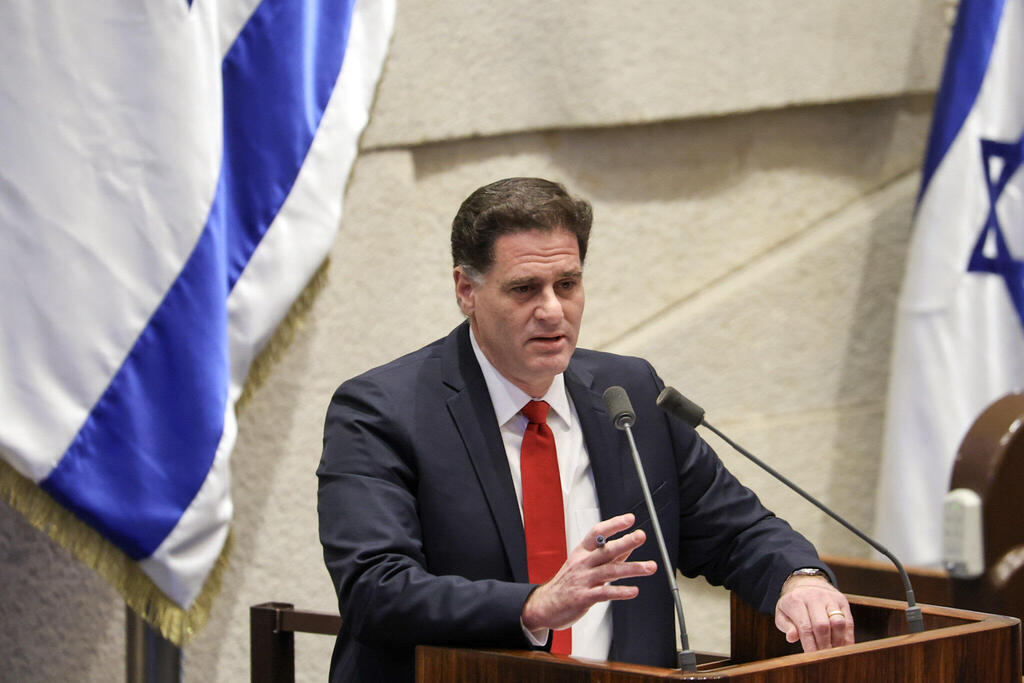
According to Ynet and Yedioth Ahronoth, during a meeting of a small ministers’ forum led by Netanyahu, his ally Minister Ron Dermer expressed support for imposing sovereignty. Sources who spoke with him said he remarked, “There will be sovereignty in Judea and Samaria—the question is over which parts.”
Dermer: Received warnings, pushed annexation?
It is possible that Dermer was the official who received the secret warnings from the UAE. Last month, Netanyahu sent him on a visit to the Emirates to “repair the strained relations between the countries caused by the war in Gaza.” Dermer, the strategic affairs minister, traveled to Abu Dhabi and held talks with senior officials including President Mohammed bin Zayed.
(Photo: Knesset Spokesperson)
The Emirati president, also known as MBZ, has refused to meet Netanyahu, partly due to Abu Dhabi’s escalating criticism of Israel’s ongoing campaign in Gaza.
Israel and the UAE normalized relations in 2020 under the Abraham Accords, mediated by the United States and then-President Trump, opening the door for Israelis to travel to the Gulf state for business and tourism. However, tensions have risen since the October 7 massacre.
In July, bin Zayed hosted opposition leader Yair Lapid at his palace, a meeting that angered Netanyahu’s allies who reportedly expressed their displeasure to UAE officials while Netanyahu remained “shunned” by MBZ. “This constitutes interference in Israel’s internal political affairs,” they said.