

Iran has sent its response to a U.S. proposal aimed at ending the more than two-month war to mediator Pakistan, Iran’s IRNA news agency said Sunday.
Under Iran’s proposal, the current phase of negotiations will focus exclusively on ending hostilities in the region, a source familiar with the matter told IRNA.
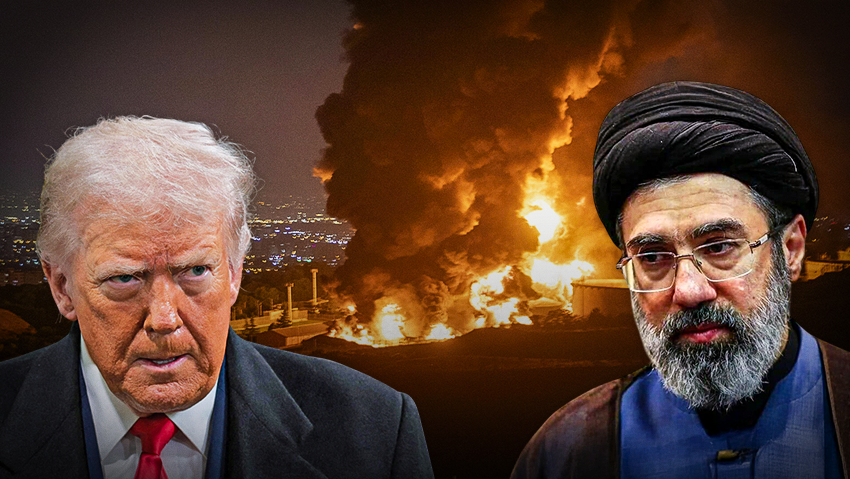
Sources in both camps have told Reuters that the latest peace efforts are aimed at reaching a temporary memorandum of understanding to halt the war and allow traffic through the Strait of Hormuz while the sides discuss a fuller deal. Such an agreement would have to address intractable disputes, including Iran’s nuclear program.
The diplomatic push came as fire resumed near the Strait of Hormuz after a relatively quiet 24 hours. A cargo ship was attacked by a drone near Qatar, and the United Arab Emirates said it intercepted two drones launched from Iran.
Britain’s maritime trade agency, UKMTO, said a fire broke out aboard the cargo ship after the attack near Doha. The ship’s captain reported no casualties and no environmental damage. Qatar’s Defense Ministry later said the vessel, which had arrived from Abu Dhabi, was attacked in Qatari territorial waters while heading to Mesaieed port.
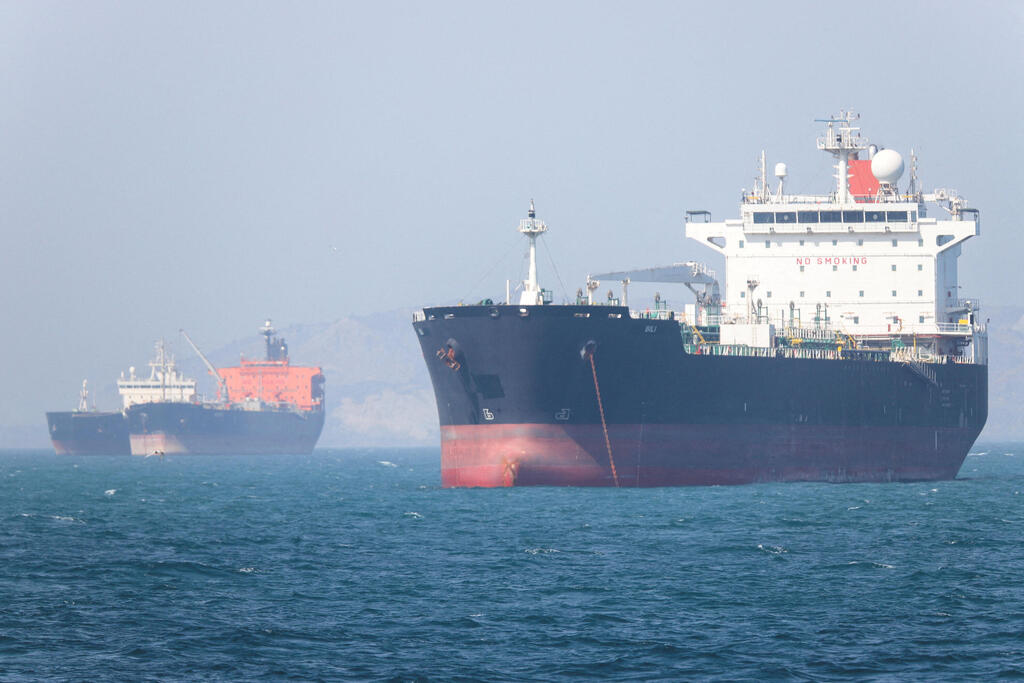
(Photo: Amirhosein Khorgooi/ISNA/WANA (West Asia News Agency) via REUTERS)
At the same time, a Qatari tanker carrying liquefied natural gas was sailing toward the Strait of Hormuz en route to Pakistan. Iranian sources said Tehran approved the move to “build confidence” with Qatar and Pakistan, both involved in mediation efforts. If the tanker reaches Pakistan, it would mark the first passage of a Qatari LNG vessel through the strait since the war broke out Feb. 28.
The talks have included Qatar as well. Secretary of State Marco Rubio met Saturday in Miami with Qatari Prime Minister Mohammed bin Abdulrahman Al Thani. Trump envoy Steve Witkoff also attended. Axios reported that the talks focused on efforts to reach a memorandum of understanding that could end the war. The State Department statement did not mention Iran, saying the sides discussed the need to deter threats and promote stability and security across the Middle East.
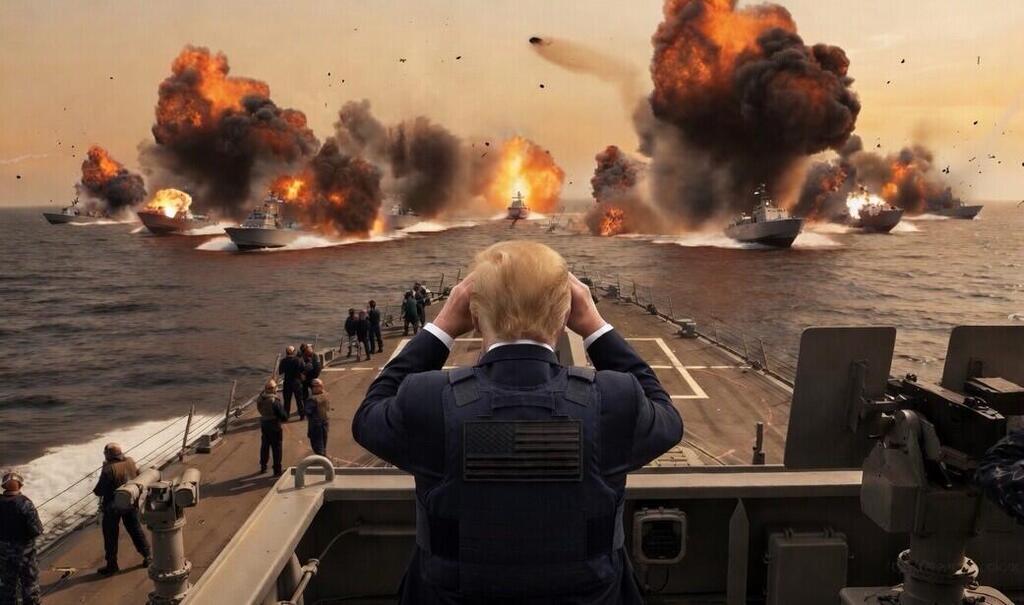
AI-generated images posted by Trump
President Donald Trump is expected to visit China this week and meet Chinese President Xi Jinping in Beijing.
Iranian state broadcaster said Sunday that Ali Abdollahi, commander of Iran’s central military headquarters, met Supreme Leader Mojtaba Khamenei and presented a report on the readiness of Iran’s armed forces, including the army, Revolutionary Guard, security forces, border police, Defense Ministry and Basij militia. Abdollahi said Iranian forces were prepared “defensively and offensively” and would respond “quickly and forcefully” to any attack. The report said Khamenei announced “new steps” to confront Iran’s enemies.
For the past two months, Iran has effectively blocked non-Iranian shipping through the Strait of Hormuz, while the United States has imposed a blockade on Iranian ports. In recent days, several exchanges of fire have taken place between Iran and the United States. The UAE came under Iranian fire Friday. The U.S. military said it struck two Iran-linked vessels that tried to enter an Iranian port, forcing them to retreat.
The commander of the Revolutionary Guard navy warned that any U.S. attack on Iranian oil tankers or commercial ships would be met with a “harsh attack” on a U.S. base in the region and on “enemy ships.”
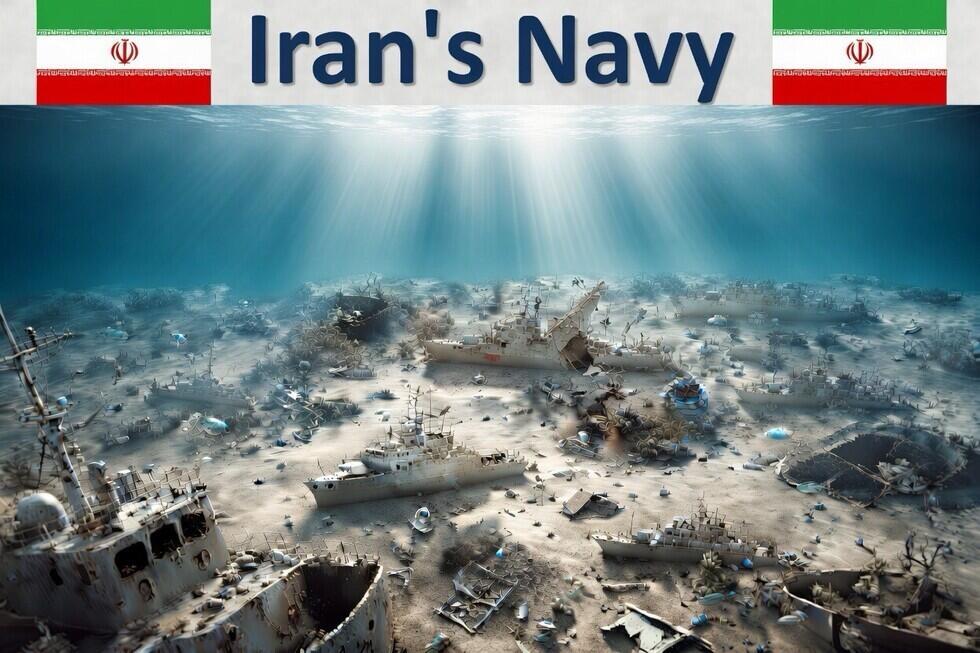
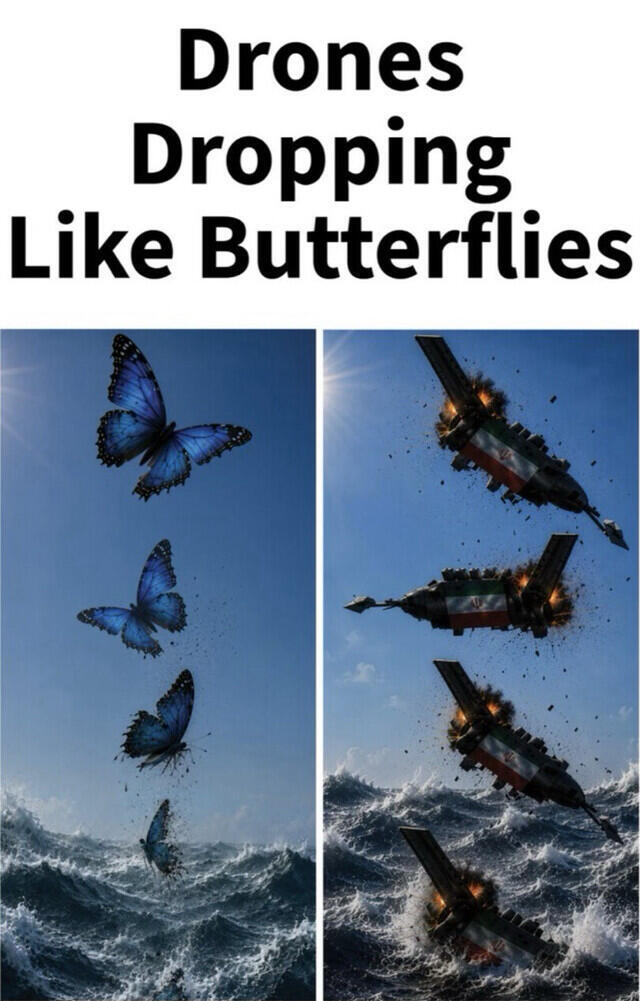
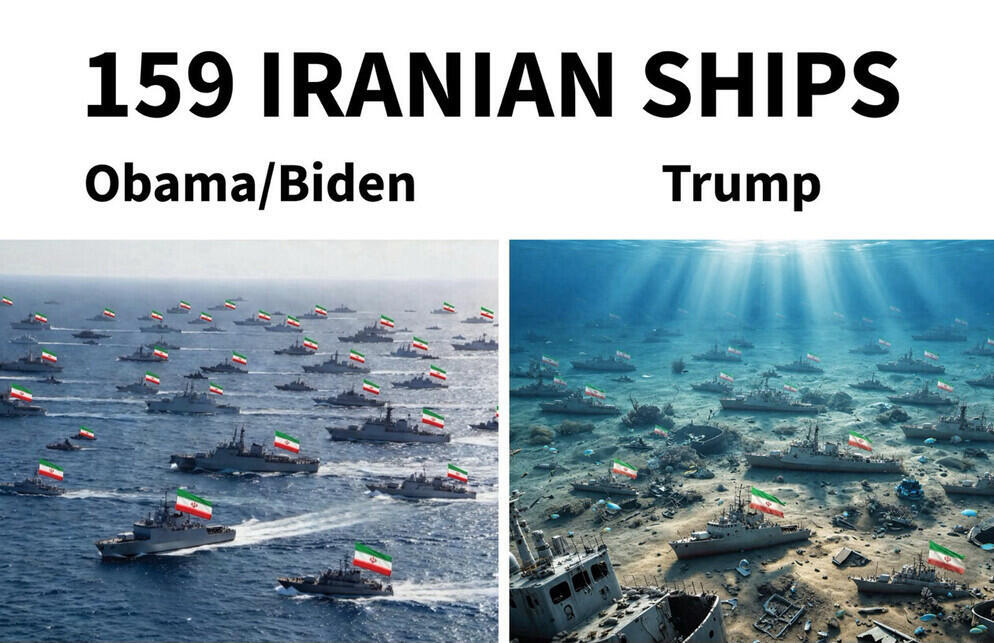
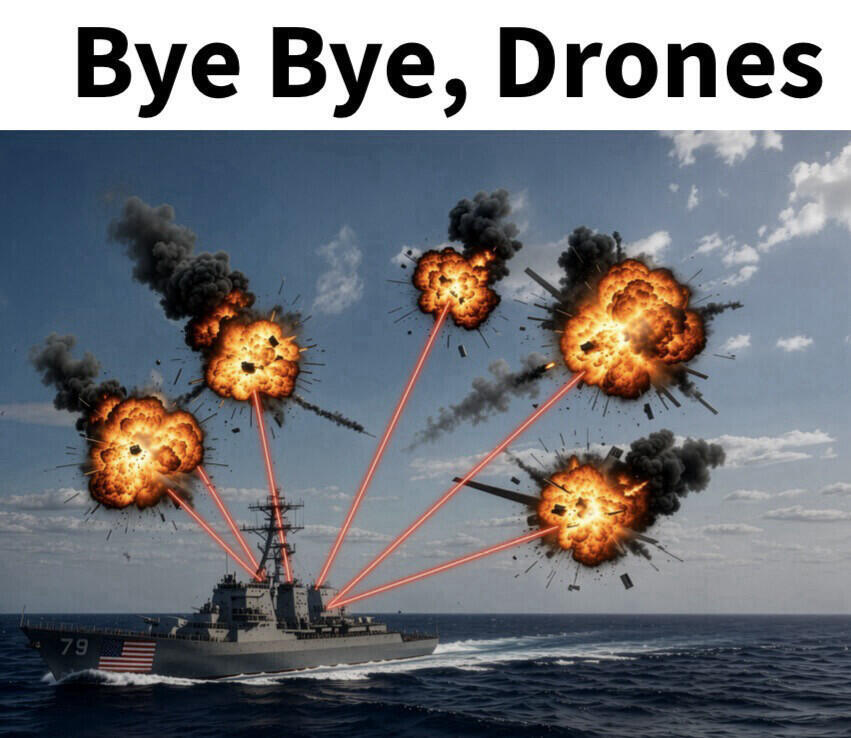
Trump mocked Iran overnight on Truth Social, posting AI-generated images showing purported U.S. damage to Iranian forces, including drones falling, an American destroyer firing a laser at drones and Iranian ships sinking.
Speaking to reporters outside the White House late Friday, Trump said the United States expected Iran’s response soon. He also threatened to renew Project Freedom, a naval operation to rescue ships from the Strait of Hormuz, saying the United States had “other ways” to act if talks failed.
Iranian Foreign Minister Abbas Araghchi accused Washington of choosing “military adventure” whenever a diplomatic solution was on the table. “Whatever the reasons, the result is the same: Iranians never surrender to pressure,” he said.
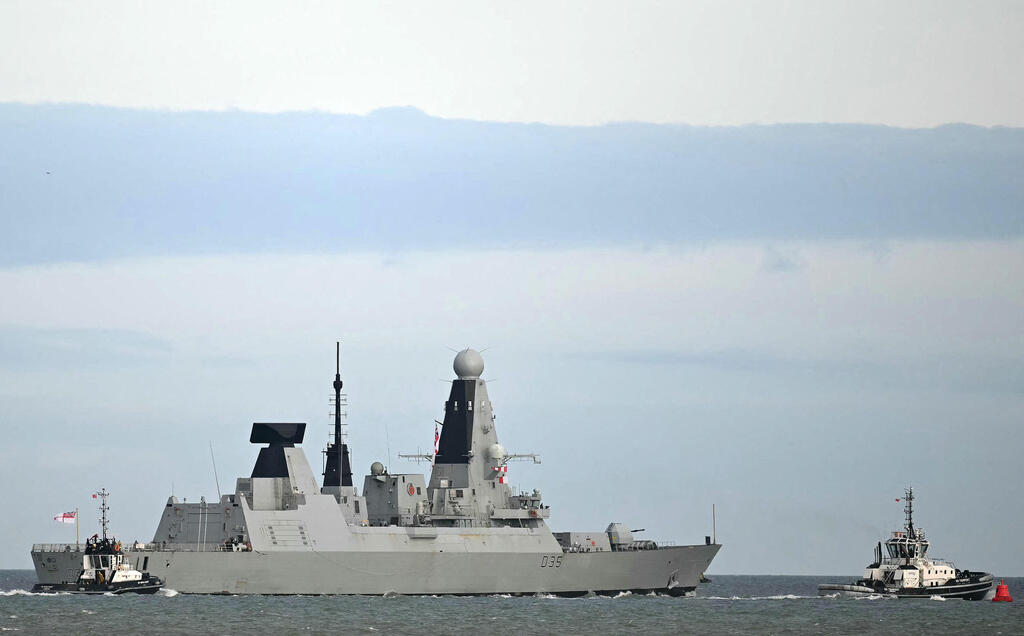
HMS Dragon
(Photo: JUSTIN TALLIS / AFP)
Britain said Saturday it would deploy the destroyer HMS Dragon to the Middle East as part of an international mission, promoted by Britain and France, to protect vessels crossing the Strait of Hormuz. The British Defense Ministry described the mission as “defensive and independent.”