


The military operation in Hebron, launched after a deadly shooting attack near the West Bank city killed two IDF soldiers, has become another point of contention between the military leadership and Israel's political leadership, just a day before Tuesday's election. While troops from the IDF's 98th Division continue intensive operations involving searches for weapons, arrests of suspects, the evacuation of Palestinian residents and the demolition of unauthorized structures, military officials believe that the limited operational results so far warrant reassessing whether the operation should continue in its current form.
According to sources familiar with the discussions, IDF Chief of Staff Lt. Gen. Eyal Zamir presented his position during a meeting with the political leadership, attended by Prime Minister Benjamin Netanyahu and Defense Minister Israel Katz, arguing that the time had come to end the operation. Netanyahu and Katz, however, rejected that assessment and instructed the military to continue. Ultimately, the chief of staff's recommendation was not accepted, and the decision was made to keep the operation underway.
IDF operations in the West Bank
(Video: IDF)


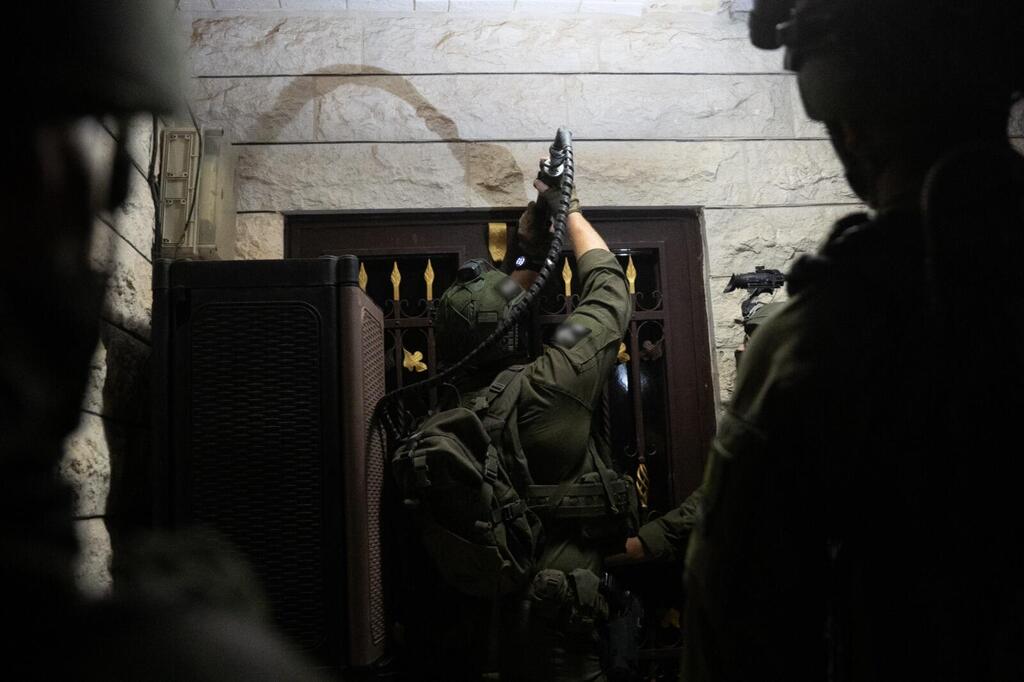
The IDF has pointed, among other concerns, to the legal difficulties involved in keeping Palestinian residents away from their homes for extended periods, particularly when the operation is not producing significant military gains. So far, troops have made arrests and located a limited number of weapons, but have not uncovered unusual weaponry or large weapons stockpiles.
The political leadership, however, presents a different assessment. Officials argue that the two terrorists who carried out the deadly attack were armed with automatic weapons and substantial quantities of ammunition, making it necessary for the IDF to continue searching for additional weapons in the area. They also maintain that prolonging the operation will strengthen deterrence. Security officials explain that the very presence of large IDF forces operating inside Hebron creates a psychological impact among Palestinians, particularly because the troops have entered a major Palestinian city rather than refugee camps, as they did during previous operations in Jenin, Nur Shams and Tulkarem.
The current disagreement recalls an IDF operation in the Qalandiya refugee camp in August. At the time, the military defined its objectives as targeting terrorist operatives and infrastructure. Katz also pushed for a large-scale operation and again raised the possibility of taking control of another refugee camp, similar to the operations carried out in Jenin, Tulkarem and Nur Shams.
IDF officials said the military had operational plans for every refugee camp but had not mobilized forces to carry them out because there was no operational necessity. There was also tension over contingency planning for a scenario known in the military as a "turning of the guns," involving a possible armed escalation in which Palestinian security forces turn their weapons against Israel. Katz presented the IDF's extensive and aggressive plan for such a scenario, although intelligence assessments at the time did not indicate that an escalation of that kind was imminent in the West Bank.
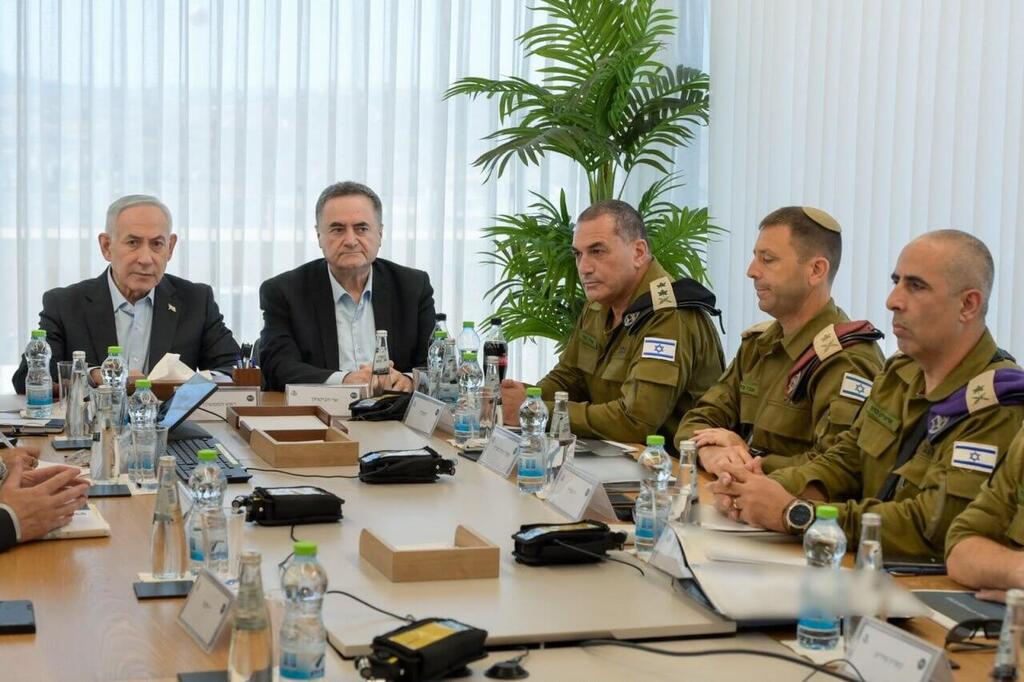
Central Command chief Avi Bluth, IDF Chief Eyal Zamir, Defense Minister Israel Katz and Prime Minister Benjamin Netanyahu
(Photo: GPO)
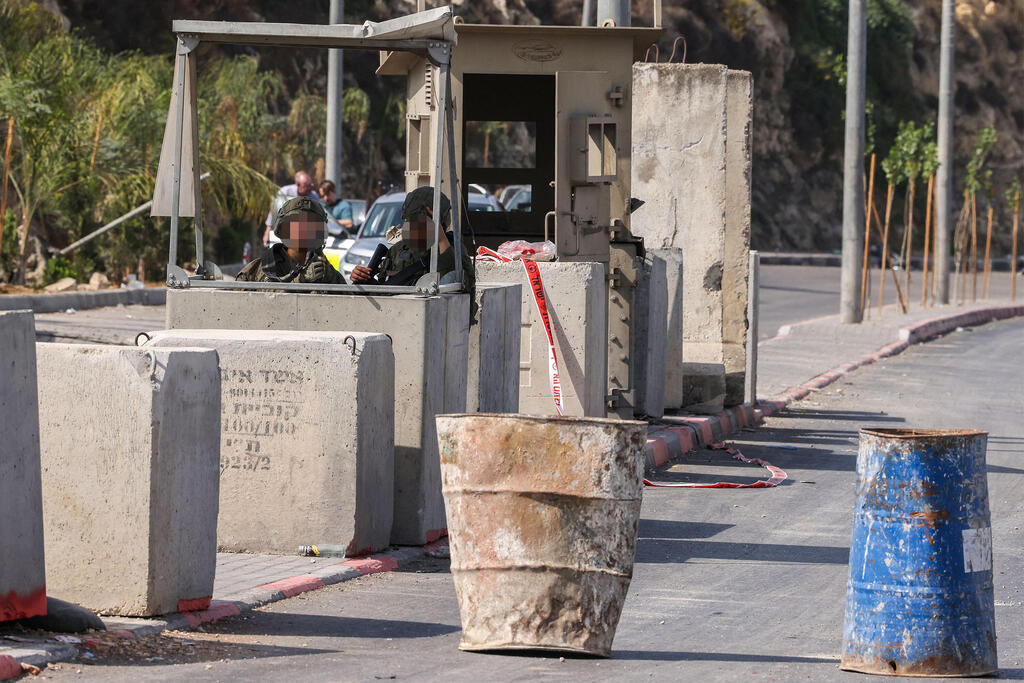
Limited operational gains so far
(Photo: HAZEM BADER / AFP)
It is important to note that the prolonged military operations in refugee camps in the northern West Bank, which Katz was among those pushing for and which were conducted under Central Command chief Maj. Gen. Avi Bluth, led to a significant decline in terrorist activity in the area, according to Israeli security assessments.
However, the Qalandiya operation ended after just two days and, based on the information available so far, did not produce significant operational results. Now, in Hebron, the question is once again whether continuing the operation is likely to yield further results or whether it has already achieved its main objectives.
But the debate over the Hebron operation is unfolding against a broader and more complicated security backdrop. The IDF is currently also focused on preventing the next attack, particularly attacks carried out by lone assailants inspired by previous incidents. Security officials are concerned about copycat attacks that could develop following exposure to incitement on social media and military activity on the ground. Central Command is therefore concentrating its efforts on identifying threats early, thwarting potential attackers and preventing an escalation that could emerge from several directions.
The IDF stresses that such conditions require precise, targeted counterterrorism operations, accompanied by constant assessments of their operational value and their consequences on the ground. The concern is that an escalation could develop rapidly, making it necessary to consider not only existing threats but also the reactions military operations themselves could provoke.
Against this backdrop, the Hebron operation illustrates the tension between the political leadership's demand to continue military activity in pursuit of deterrence and additional weapons discoveries, and the IDF's position that the operational benefits must be weighed against the consequences of prolonging the operation for the local Palestinian population.