


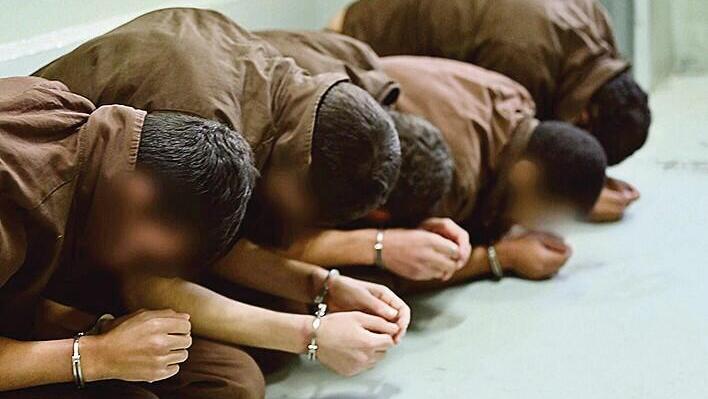
An Israeli parliamentary committee has completed preparations for legislation that would allow the prosecution of Hamas’ Nukhba force terrorists for their role in the October 7 attack, including on charges of genocide, crimes against humanity and war crimes, ahead of a first reading in the Knesset.
Knesset Constitution, Law and Justice Committee Chairman Simcha Rothman, who initiated the bill, said it frames the October 7 attack as crimes with international legal significance and allows for the possibility of the death penalty.
“This is not merely a legal event,” Rothman said. “Behind the law stands a deep, fundamental value-based conception of what the State of Israel will do in response to the gravest event in its history.”
Rothman rejected criticism from lawmaker Moshe Saada, who accused the Justice Ministry and the courts administration of inaction, saying extensive staff work had been carried out by the police and the State Attorney’s Office. He said disagreements with the prime minister, the justice minister and legal authorities reflected differing views, not a lack of effort.
Rothman said government work on the issue had been delayed due to concerns about potential harm to hostages, prompting lawmakers from both the coalition and opposition to advance the bill themselves. He said government preparations are now at an advanced stage.
Co-sponsor Yulia Malinovsky said the legislation addresses an exceptionally complex event and that the current draft, after multiple revisions, is balanced and not in dispute. She said key elements missing from the draft, including the appointment of prosecutors and judges and victims’ rights, would be completed later. Under the updated draft, the law would regulate the prosecution of Hamas terrorists and their accomplices who carried out attacks, murder, rape, kidnapping and looting from October 7 through July 10, as well as offenses committed afterward against hostages.
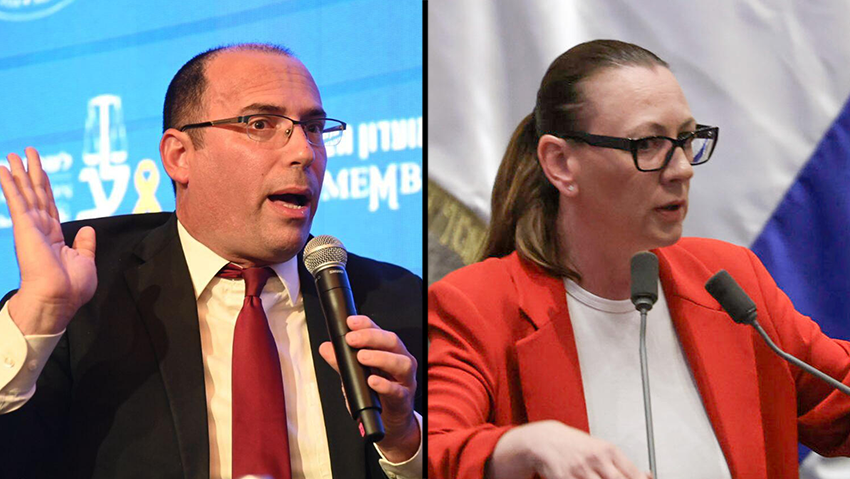
The bill is co-sponsored by Simcha Rothman and Yulia Malinovsky
(Photos: Knesset, Yair Sagi)
Indictments would be filed with a special military court established under emergency defense regulations, including for offenses such as genocide, harm to state sovereignty or territorial integrity, causing war, aiding the enemy in wartime, terrorism-related crimes and murder.
The court would operate with multiple panels, each headed by a presiding judge who is a retired district court judge, alongside two officers qualified to serve as district court judges with criminal law expertise. Appeals would be heard by a panel including a retired Supreme Court justice or other senior retired judges. Verdicts would be decided by majority opinion, and in cases where a death sentence is imposed and not appealed, an appeal would be deemed filed on the defendant’s behalf.
Unlike standard military courts, the chief of staff would have no authority to confirm or intervene in verdicts or sentences. Trial procedures and rules of evidence would generally follow those used in civilian courts, with limited flexibility. Hearings would be broadcast on a dedicated website unless closed by the court, with all proceedings recorded and preserved in the state archives. Defendants would be entitled to choose licensed Israeli defense attorneys or lawyers from the west bank.
The bill also proposes establishing a ministerial steering committee, chaired by Netanyahu and including the justice, defense and foreign ministers, to oversee government preparations and prosecution policy related to the October 7 attack.