



Messages delivered overnight by U.S. President Donald Trump suggest he is ready to move past the war with Iran. At the same time, it remains unclear whether fighting could resume in two weeks, when the temporary ceasefire is set to expire if no permanent agreement is reached.
A substantial U.S. military presence will remain in the region, meaning Washington could quickly resume strikes if needed. Under the current timeline, the ceasefire is due to end on April 22 — Israel’s Independence Day — when Trump may also visit Israel.
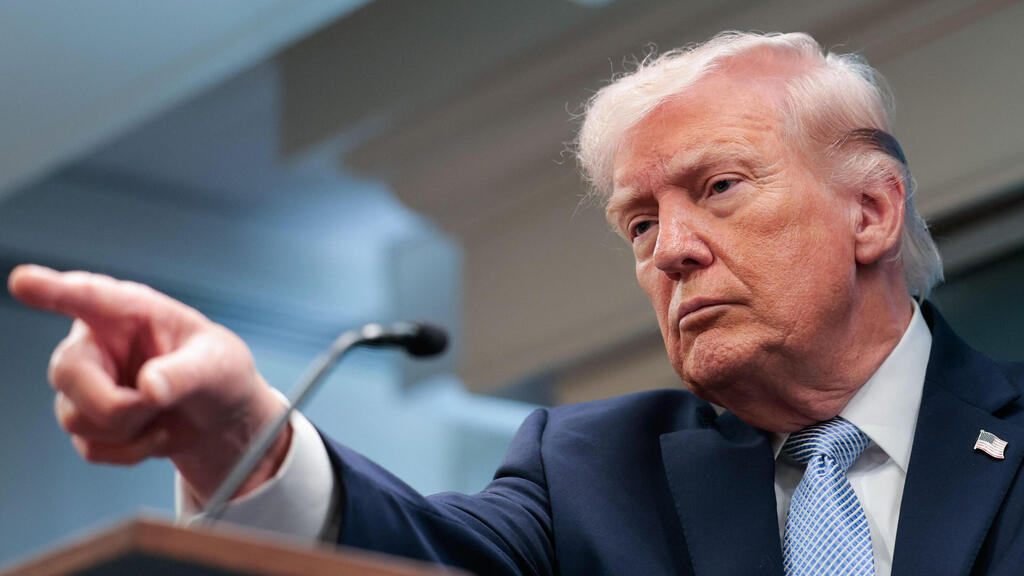
Flag burnings in Iran as celebrations erupt
(Video: Reuters)


Sky News correspondent Mark Stone, who spoke with Trump after the ceasefire announcement, indicated the president has not entirely ruled out a return to war. Stone said he asked Trump about Iran’s 10-point plan, which the president described as a basis for negotiations. Trump responded that the points were “very good” and that most had already been discussed, suggesting talks may be more advanced than publicly known — a claim that remains contested.
Trump also signaled readiness to act if negotiations falter. According to Stone, the president said that if the ceasefire and talks do not hold, “we'll go right back to it very easily,” implying a willingness to resume military action.
Domestic opposition to further escalation may complicate Trump’s position, particularly from Vice President JD Vance, who is expected to help lead negotiations with Iran in Pakistan. According to The New York Times, Vance was among the most prominent voices opposing a broader war, warning of regional chaos, heavy casualties, strain on U.S. munitions and the risk of disruptions in the Strait of Hormuz. Defense Secretary Pete Hegseth was among the strongest supporters of military action, while White House chief of staff Susie Wiles raised concerns about the political and economic costs of a new Middle East conflict but did not ultimately block the move.
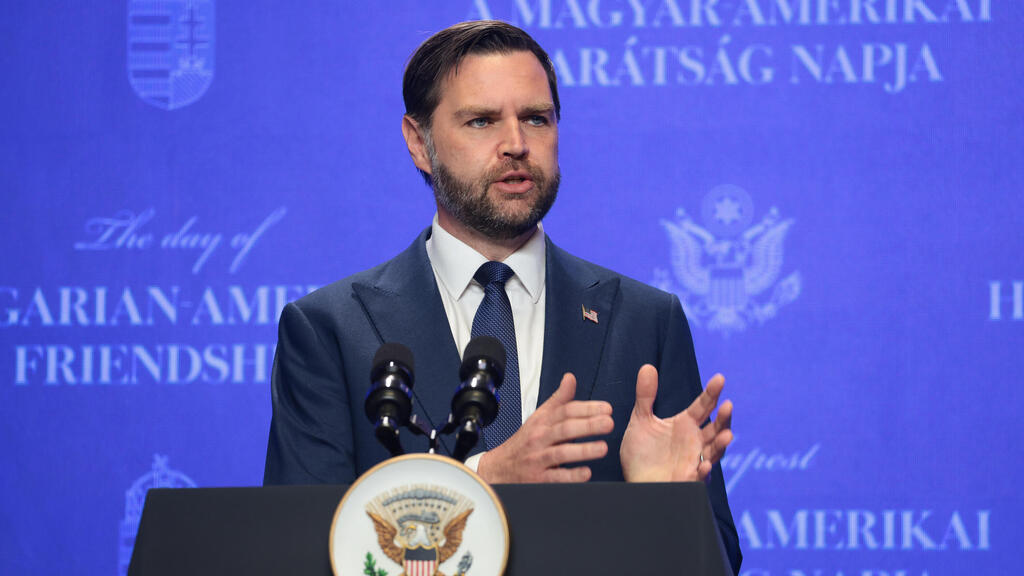
US Vice President JD Vance
(Photo: Jonathan Ernst - Pool/Getty Images)
Speaking during a visit to Budapest, Vance said Trump would continue efforts to reach a peace arrangement. He cited positive developments with Iran, including agreement to reopen the Strait of Hormuz, and said the U.S. and its partners had halted strikes as the basis for what he described as a “fragile truce.”
Vance added that some in Iran have responded positively to the ceasefire, while others have misrepresented the outcome. He said Trump has instructed the U.S. negotiating team to act in good faith but warned that if Iran does not do the same, it would face consequences, stressing that Trump is not someone to be taken lightly.
First published: 14:23, 04.08.26