


U.S. President Donald Trump said Wednesday that Hamas and Israel are “getting very close to a deal” for a ceasefire and hostage release in Gaza.
Speaking at a White House press conference following a meeting with African leaders, Trump was asked about reports of behind-the-scenes progress in the negotiations. “It’s very possible,” he said. “I will tell you, we’re getting very close to a deal. I don’t know if it’s secret or not secret, but it doesn't matter to me. Secret's fine if it gets us where we want to be. We want to have a ceasefire, we want to have peace. We want to get the hostages back. And I think we’re close to doing it."
US President Donald Trump says 'getting very close to a deal'
(Video: C-SPAN)


Meanwhile, hostage deal negotiations remain stalled, but signs of progress have emerged as Israel reportedly submitted a new proposal to Qatar addressing troop deployment in Gaza, particularly along the contentious Morag Corridor, Palestinian officials said Wednesday.
According to sources involved in the talks, Israel is willing to modify its troop presence along the corridor—a key sticking point in the ongoing negotiations—and has presented new deployment maps during meetings in Doha.
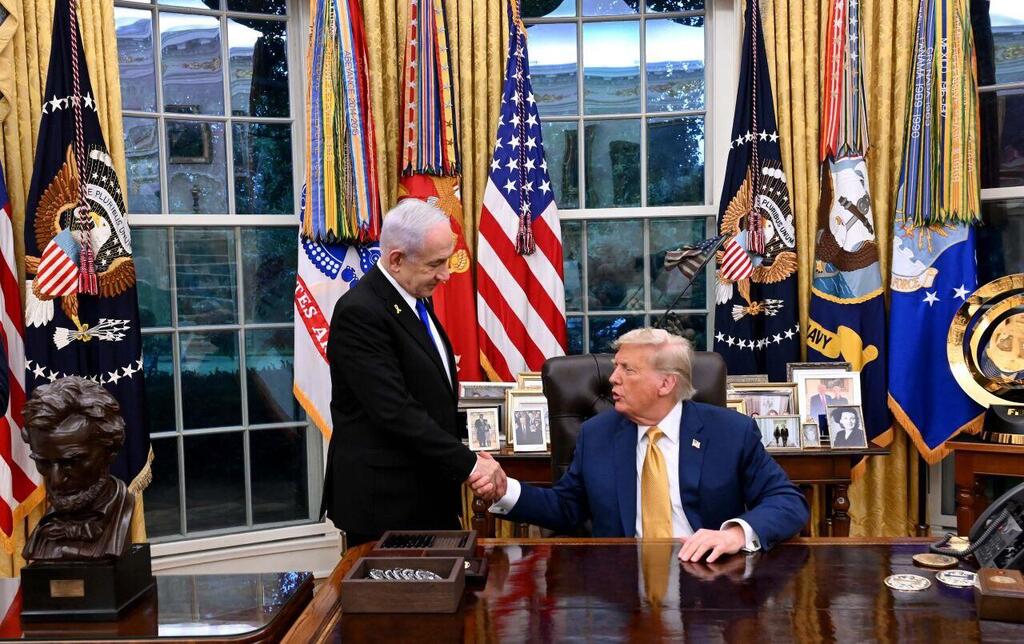
Senior Israeli officials said the military will present a revised deployment framework to Prime Minister Benjamin Netanyahu, who is expected to approve it. The corridor, stretching between Khan Younis and Rafah in southern Gaza, has become a focal point of the current round of ceasefire discussions.
Hamas spokesman Taher al-Nunu told Al Jazeera that the group is showing “significant flexibility” in negotiations and has agreed to release 10 Israeli hostages in exchange for improved humanitarian aid access and a cessation of Israeli military operations. He said Hamas continues to insist on two key conditions for any agreement: a full Israeli withdrawal from Gaza and a comprehensive end to hostilities.
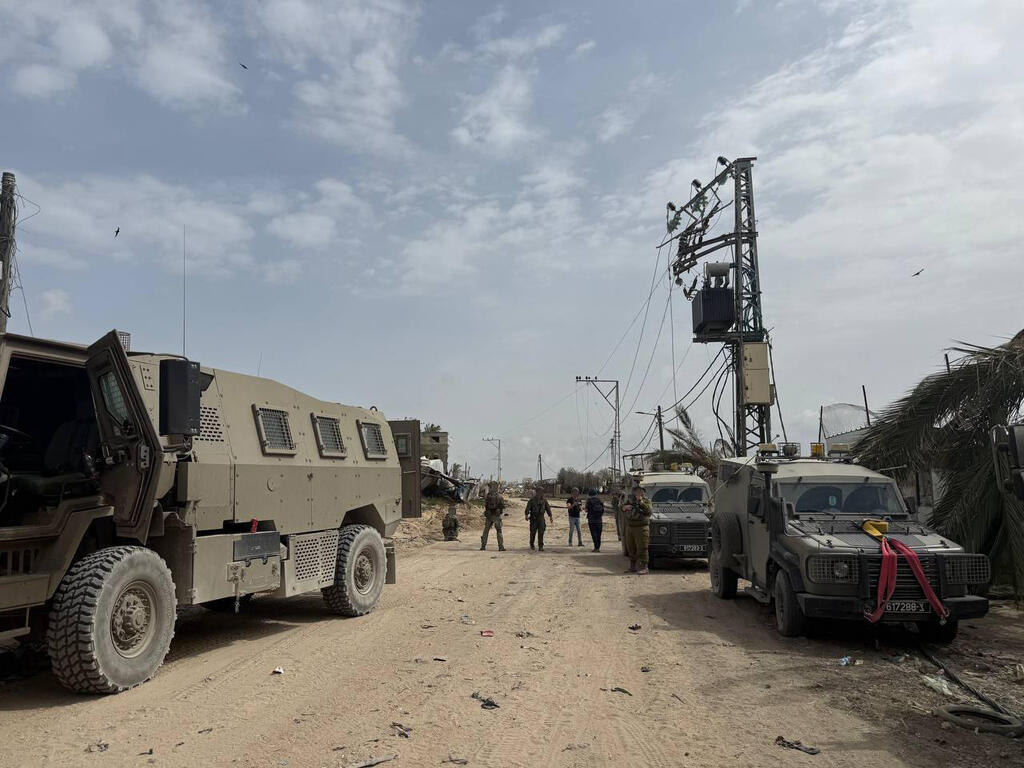
Morag Corridor
(Photo: Roni Green Shaulov)
Al-Nunu stressed Hamas' demand for international guarantees and said the United States holds the leverage to pressure Israel to halt the war “if it chooses to do so politically.” He added that the current negotiations are focused on two main issues: unrestricted humanitarian aid delivery without Israeli oversight, and setting withdrawal lines that minimize harm to civilians.
In April, Prime Minister Netanyahu revealed that the IDF had taken control of the Morag Corridor — a strategic axis now spanning about 12 kilometers from the old Kisufim crossing to the Mediterranean.
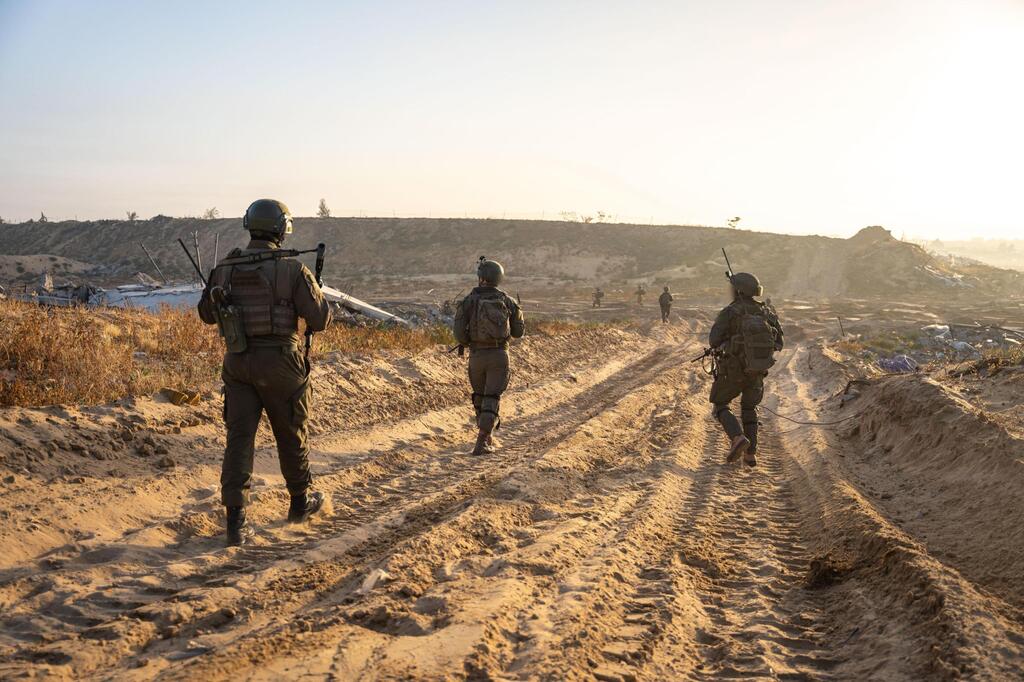
IDF forces operating in southern Gaza
(Photo: IDF)
The corridor was secured in just a few days with minimal resistance. Since then, soldiers have focused not on combat but on defending their positions and securing food distribution centers serving hundreds of thousands of Palestinians.
Get the Ynetnews app on your smartphone: Google Play: https://bit.ly/4eJ37pE | Apple App Store: https://bit.ly/3ZL7iNv
Plans have been drawn to establish a large civilian compound for Gazan residents on the ruins of Rafah, aimed at separating the population from Hamas. Israel has insisted on retaining control of the corridor even after a potential hostage deal, citing the need to screen hundreds of thousands of returning civilians at IDF-manned checkpoints.
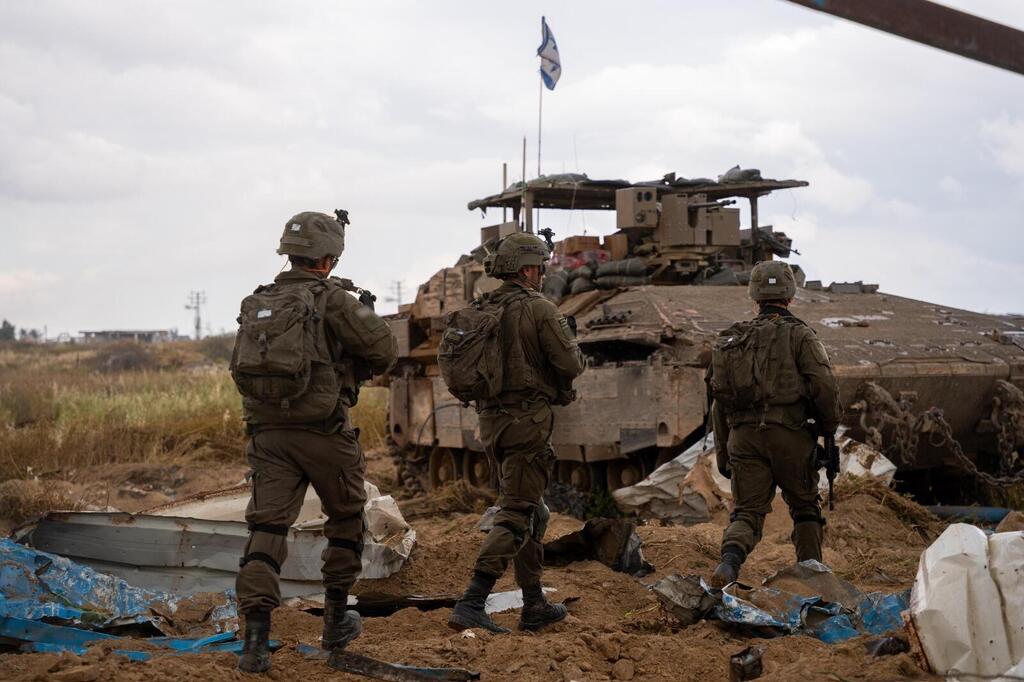
IDF forces operating in southern Gaza
(Photo: IDF)
Currently, most of Rafah is uninhabitable due to the destruction caused by months of fighting. As a result, Israel is planning to build temporary infrastructure in the form of refugee camp-style shelters, including prefabricated structures and tents.
A full or partial withdrawal from the Morag Corridor would be seen by some Israeli officials as a strategic concession, reminiscent of the 2024 Netzarim Corridor deal, which allowed tens of thousands of Palestinians—and many Hamas terrorists—to return to Gaza City. Control of Morag was part of a broader effort to encircle Hamas’ Rafah Brigade and increase pressure on the group.