

Israel is preparing for what could become the largest and most complex legal proceeding in the country’s history: the trials of hundreds of terrorists accused of taking part in the Oct. 7 massacre.
A bill setting up the legal framework for the trials passed its first reading in January and is now being prepared for its second and third readings in the Knesset Constitution, Law and Justice Committee.
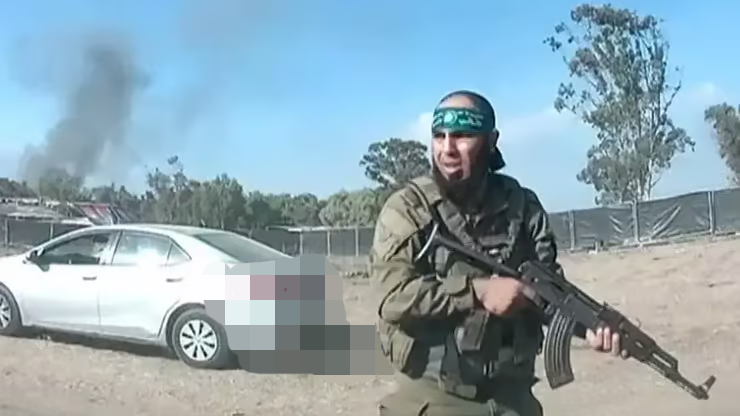
The legislation is meant to define how the suspects will be tried, where the proceedings will take place, who will judge them, what charges they will face and whether some could receive the death penalty.
About 350 people who infiltrated Israel on Oct. 7 and in the days that followed are expected to stand trial, according to estimates. The exact number remains classified.
The cases are expected to be heard in a military court framework, after officials concluded the civilian court system would struggle to handle hundreds of defendants, thousands of testimonies and an enormous volume of evidence.
The military court in Lod, which exists on paper but has not been active for years, is expected to be revived for the cases. The hearings themselves are expected to take place in a new compound in Atarot, north of Jerusalem, where large hangars would be converted into a central courtroom, additional courtrooms and viewing halls for the public.
The trials are not expected to begin immediately. Even after the law is passed, officials estimate it will take months to complete preparations.
The model is being compared to the Eichmann trial, which shaped Holocaust memory in Israel and ended with the country’s only execution. But the Oct. 7 trials would be far broader: Eichmann was one defendant; here, there are expected to be hundreds.
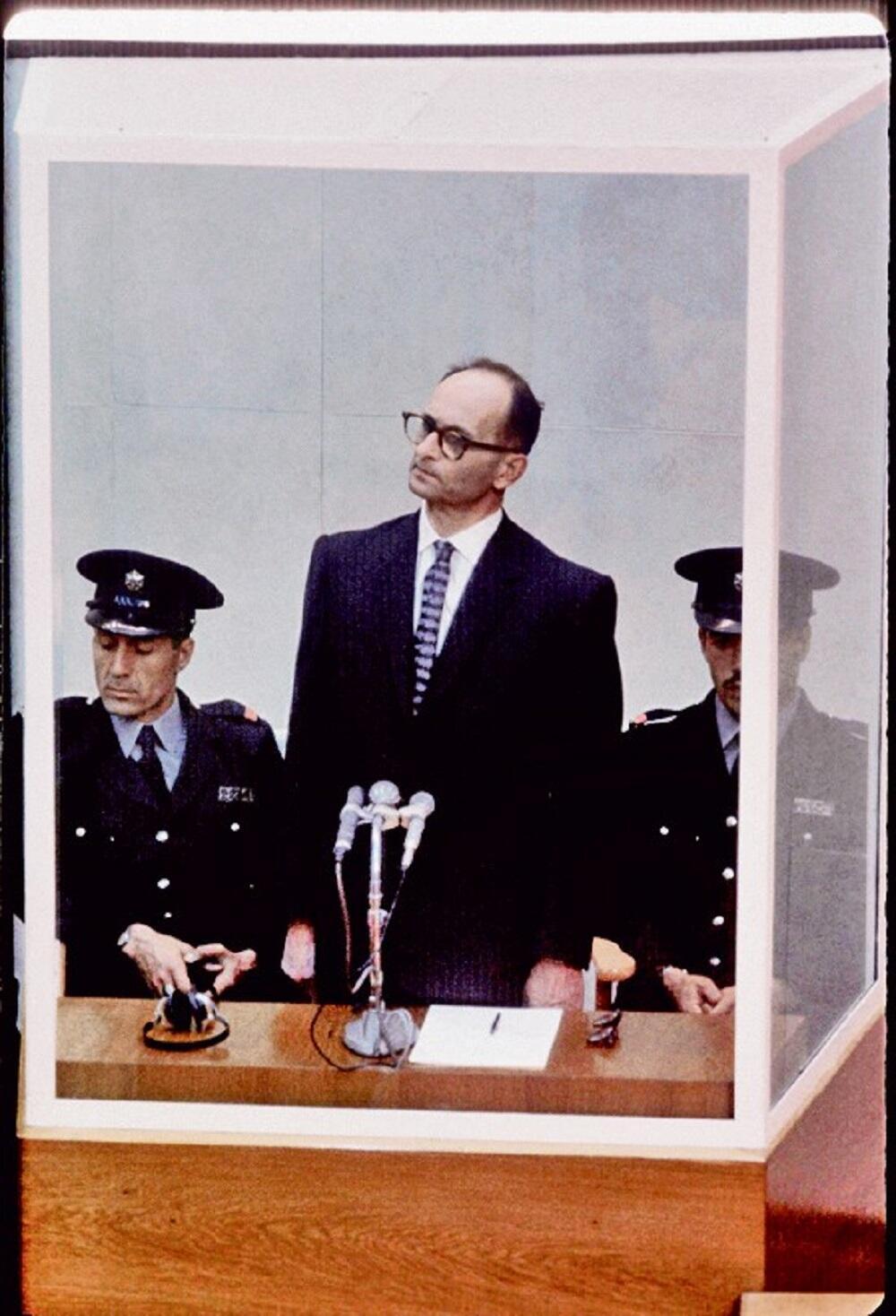
(Photo: David Rubinger)
Unlike the Nuremberg trials or other international tribunals, the Oct. 7 proceedings would not be backed by the United Nations or a coalition of states. Israel would try the suspects under its own laws.
The bill’s initiator, lawmaker Yulia Malinovsky, said the trials are necessary not only for justice but also to document the events for future generations.
“There is nothing better than a legal proceeding to tell the story," She said during committee discussions.
But survivors and families of victims have warned that the trials must not become a spectacle.
Carmit Palty Katzir of Kibbutz Nir Oz, whose father was murdered, whose mother was kidnapped and later died, and whose brother Elad Katzir was abducted and murdered in captivity, told lawmakers she fears the trials could become “show trials” or “a gladiator arena.”
She said justice must be done, but victims’ rights must come first.
“I have no compassion for the people who slaughtered my family,” she said. “But I don’t want that to be all that remains.”
Investigators from Lahav 433, the Shin Bet, the military and the State Attorney’s Office have spent more than two years building the evidence base. They have collected thousands of testimonies, forensic material and vast amounts of video from terrorists’ cameras, security cameras, military sources and material gathered in Gaza.
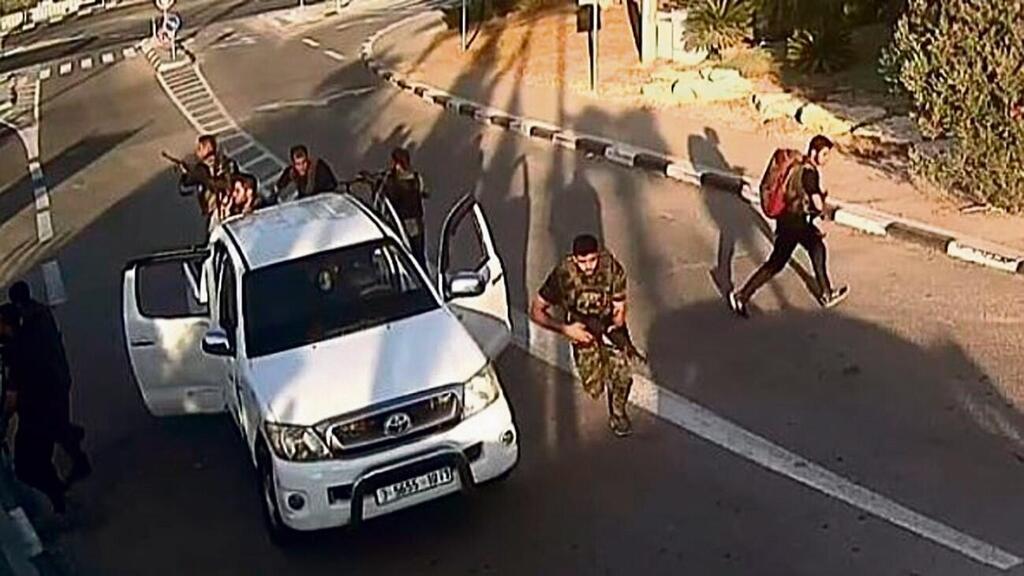
Police say investigators have worked to match suspects to specific locations, units, commanders, routes of infiltration and acts committed on Oct. 7.
The expected charges include crimes against the Jewish people, crimes against humanity, war crimes, harm to state sovereignty, causing war and aiding the enemy during wartime.
The most severe charge, genocide, carries a mandatory death sentence upon conviction. But legal officials have warned that genocide charges may be difficult to prove in some cases because prosecutors would need to establish specific intent to destroy the Jewish people.
Another possible charge, harm to state sovereignty, also allows for death or life imprisonment and may be easier to prove because it applies to armed infiltration meant to harm Israel’s sovereignty.
Some lawmakers, including committee chairman Simcha Rothman, say many of the defendants should receive death sentences.
“I do not know whether it will be hundreds or dozens, but I believe anyone who was part of this event should be sentenced to death,” Rothman said.
The trials are expected to include public hearings and live broadcasts, but not all testimony will be open. Officials are weighing how to balance the public’s right to know with the risk of retraumatizing survivors and families.
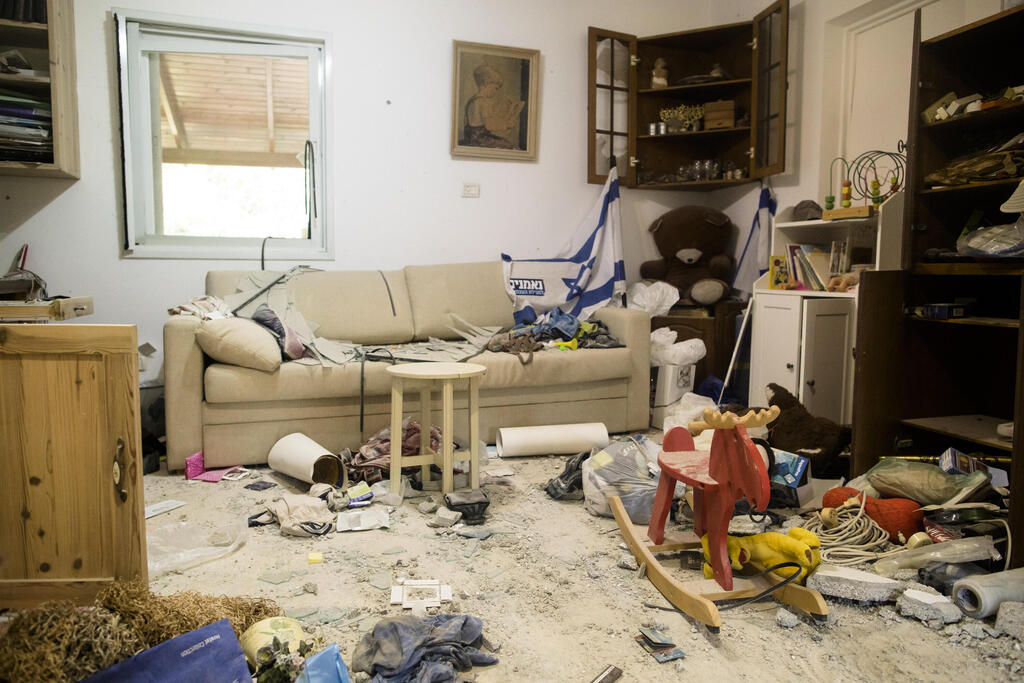
(Photo: Amir Levy/Getty Images)
Some victims are expected to testify publicly, while others may ask for closed hearings. All hearings are expected to be recorded and preserved in the state archives. Public sessions may be streamed on a dedicated website.
Another unresolved issue is legal representation. Officials have warned that if defendants refuse to recognize the court or cooperate with lawyers, the legitimacy of the process could be challenged.
The bill says the defendants will not be represented by the public defender’s office. Rothman has argued that the cost of defense lawyers should not come from the state budget but should be deducted from Palestinian Authority funds.
For families of victims, the trials are only part of the search for justice.
Palty Katzir said Israel is moving ahead with a massive legal mechanism against the terrorists while no state commission of inquiry has yet been established into the failures that led to Oct. 7.
“We are putting the Nukhba terrorists on trial. That is important,” she said. “But it will not give us all the justice and all the truth we need to know.”
First published: 21:12, 05.03.26