

As fighting between Israel and Iran intensifies, growing speculation in the region centers on whether the campaign could expand beyond airstrikes into a potential ground offensive — possibly with backing from Kurdish forces.
The question gained traction after U.S. President Donald Trump said he would not rule out deploying American ground troops to Iran, and following a Wall Street Journal report that he is open to supporting armed groups inside Iran seeking to challenge or topple the regime.
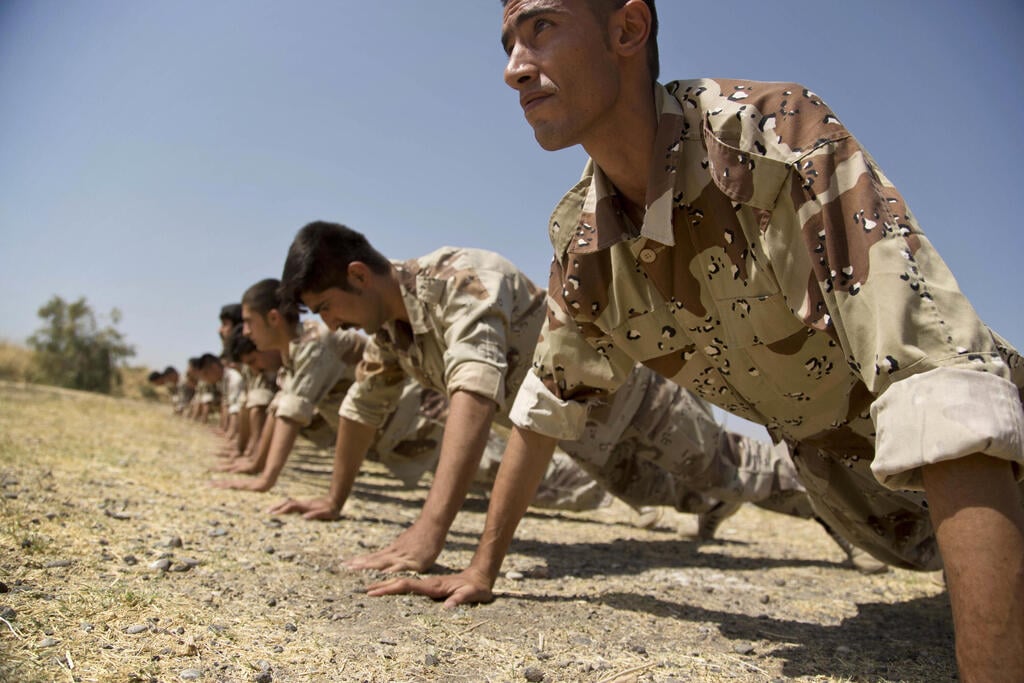
According to the Journal, citing U.S. officials, Trump has spoken with Kurdish leaders and continues outreach to other local actors who could exploit what Washington views as Tehran’s growing vulnerability. Kurdish forces maintain a sizable presence along the Iraq-Iran border, and recent Israeli strikes in western Iran have fueled speculation that shifting battlefield dynamics could create an opening for Kurdish advances.
One source originally from Iranian Kurdistan and now living in Erbil told ynet that, in light of Israel’s extensive air campaign, “Israel could easily carry out a ground attack from Iraqi Kurdistan with the support of the Iranian Kurdish peshmerga.”
He said Iranian authorities have in recent days targeted Kurdish cities inside Iran, including Sanandaj, Mariwan and Mahabad, as well as residential compounds associated with the Kurdistan Democratic Party of Iran. According to him, drones and missiles struck housing complexes where women and children were present.
“The residences were empty of peshmerga. Only women and children were there,” he said, adding that a person responsible for health services at a clinic was wounded but survived.
In Iraq’s autonomous Kurdistan region, repeated reports in Arab media have described strikes near Erbil, including at or near the airport and at sites linked to U.S. interests. A source in Sulaymaniyah said there is no confirmed information about an imminent ground assault.
“The general assumption is that only Trump knows,” the source said. “The situation here is fairly normal, but people are expecting war.” He added that anxiety in the region centers on continued strikes against Erbil and the possibility of attacks on American facilities, though Iraq has not become a central battlefield despite exchanges of fire.
Kurds across the broader Kurdistan region — spanning parts of Iran, Iraq, Turkey and Syria — have long opposed Tehran’s leadership. Iranian forces, for their part, have struck areas in northwestern Iran considered part of Iranian Kurdistan, while also carrying out attacks beyond the border into Iraqi Kurdistan.
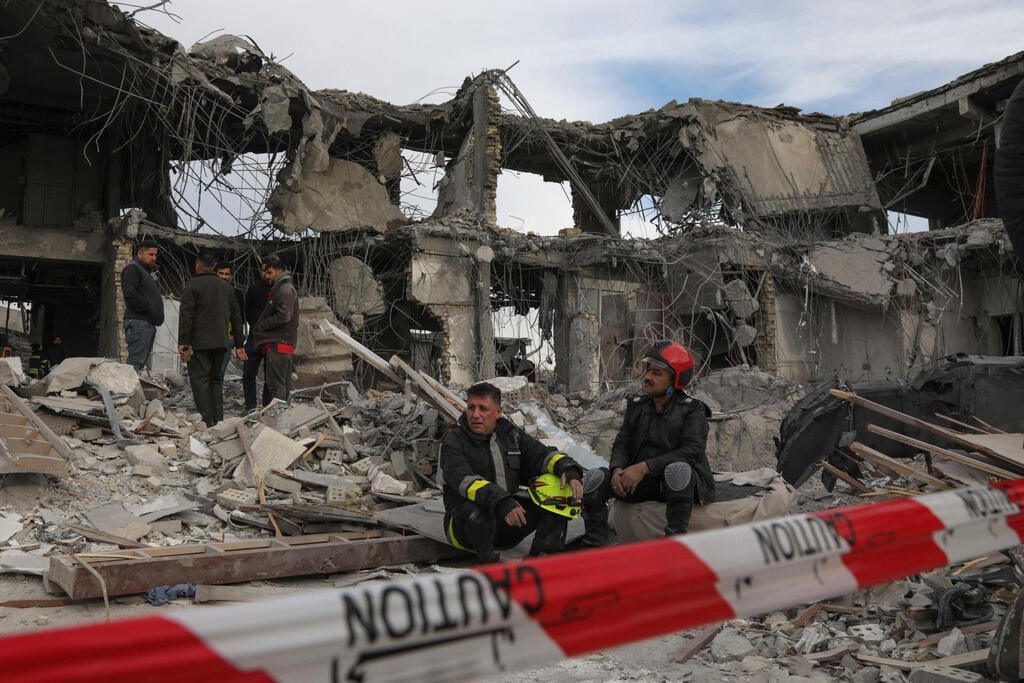
Aftermath of Iranian bombing in Erbil
(Photo: Safin HAMID / AFP)
Even before the current conflict escalated, pro-Iranian militias in Iraq warned of the possibility of a land-based assault on Iran through Kurdish territory. About a week and a half ago, Abu Ali al-Askari, a senior figure in the Iran-aligned Kataib Hezbollah militia in Iraq, claimed the United States was preparing to attack Iran from Syria via Iraqi Kurdistan.
He urged Kurdish authorities to avoid involvement in what he described as a military adventure against Iran and called on Iranian security forces to remain on alert along the country’s northwestern borders. In recent days, Iranian officials have reiterated that they are closely guarding their frontiers against what they characterize as Israeli or American plots.
Amid the mounting tensions, Iraqi Prime Minister Mohammed Shia al-Sudani said Tuesday that only the Iraqi state has the authority to decide on matters of war and peace.
“The government will firmly oppose any party that seeks to drag Iraq into conflicts,” he said, adding that Iraqi forces are committed to protecting public and private property, as well as foreign missions and embassies.