


As negotiations between Iran and the United States continue, Israeli officials believe the talks have been less encouraging than public statements suggest, despite reported progress on Tehran’s nuclear program.
According to Israeli assessments, while there has been some movement on nuclear issues, Iran’s ruling clerics are refusing to discuss its ballistic missile program and support for regional proxy groups, leaving U.S. officials far from optimistic.
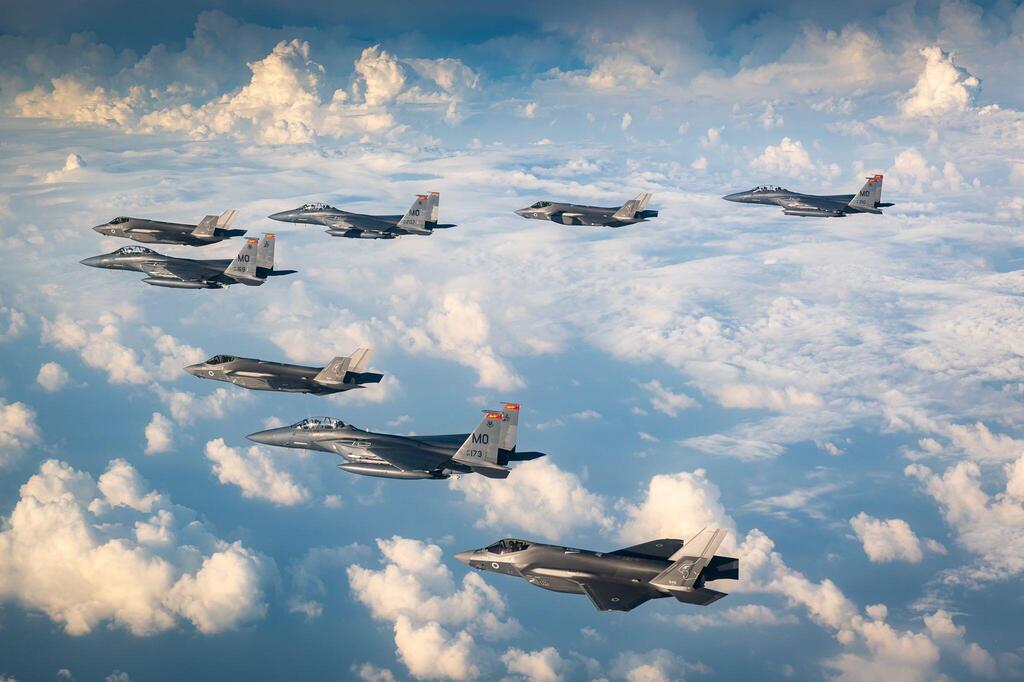
Earlier Tuesday, a U.S. official said Iran is expected to return within two weeks with proposals aimed at narrowing remaining gaps. However, Israeli officials noted that during a similar development in June 2025, the United States ultimately launched a strike. Israel’s assessment has not changed, officials said, maintaining that even if Tehran shows flexibility on nuclear matters, it considers its ballistic missile program and backing of allied militias off limits.
Meanwhile, threatening rhetoric from Tehran has continued, while Washington has pressed ahead with military preparations. In the past 24 hours, the United States has sent about 50 fighter jets of various models to the Middle East, signaling it is maintaining readiness.
Iran, for its part, appears to be trying to buy time, though it is unclear whether that strategy will succeed, Israeli officials said.
Iranian President Masoud Pezeshkian said Tuesday evening that Tehran would not abandon its nuclear program, which he described as intended for “peaceful purposes.”
Earlier in the day, Iranian Foreign Minister Abbas Araghchi said the second round of nuclear talks with the United States was “very serious” and that the sides had reached understandings on several fundamental issues that could form the basis of a possible agreement, but noted that the progress made does not mean his country will reach an agreement soon with Washington on Tehran’s nuclear program.
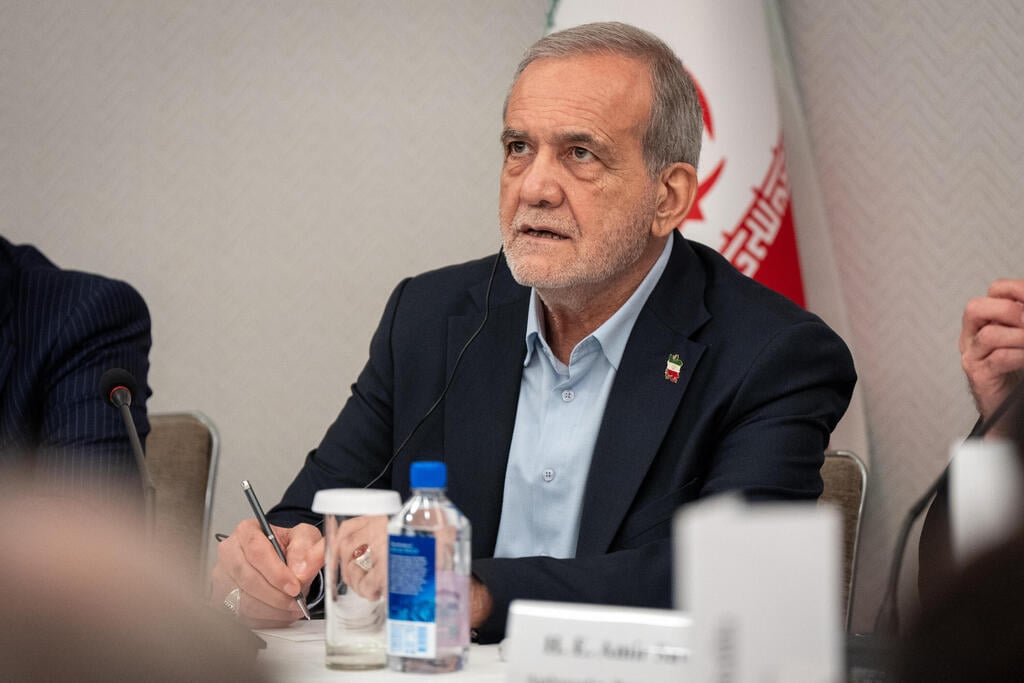
Iranian President Masoud Pezeshkian
(Photo: AP Photo/Angelina Katsanis)
He said “good progress” had been made and described the direction as positive, though no date has been set for the next round. Both sides agreed to work on draft language before convening a third round, he said, adding that they would review two copies of a potential agreement and continue discussions after consulting their respective governments.
Meanwhile, U.S. security officials said the aircraft carrier USS Gerald R. Ford has departed for the Middle East amid rising tensions with Iran, accompanied by six destroyers. According to The Washington Post, the vessels include the USS Mahan, USS Thomas Hudner, USS Winston S. Churchill, USS Bainbridge and USS Stockdale. The report on the carrier’s deployment came hours after the conclusion of the Geneva talks.
Badr Albusaidi, Oman’s foreign minister, who is mediating the talks and hosted Tuesday’s indirect discussions between U.S. envoys Steve Witkoff and Jared Kushner and Iranian Foreign Minister Abbas Araghchi, expressed optimism.
“Today’s indirect negotiations between The Islamic Republic of Iran and the United States of America in Geneva concluded with good progress towards identifying common goals and relevant technical issues,” Albusaidi wrote on X.
“The spirit of our meetings was constructive. Together we made serious efforts to define a number of guiding principles for a final deal. The contribution of the IAEA Director General Rafael Grossi was much appreciated. Much work is yet to be done, and the parties left with clear next steps before the next meeting.”