

For the first time since the Hamas-led Oct. 7 attack, Israel has begun a large-scale reduction of reserve forces, marking a shift from wartime operations to an intensified security routine along the country’s borders.
The IDF said Thursday its Operations Directorate would issue an order releasing thousands of reservists from duty, a move that follows the declared end of major combat and the transition to what officials called “enhanced border security.”
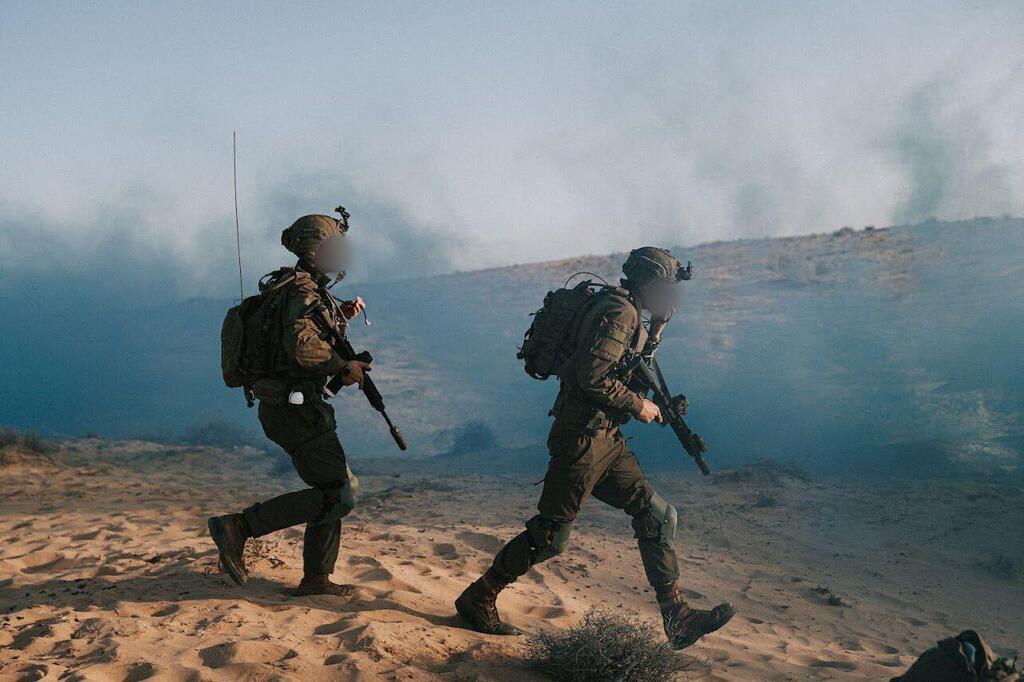
According to the military, about two and a half reserve brigades will be withdrawn from defensive missions. Two regular brigades are scheduled to replace two reserve brigades along Israel’s northern border this weekend, while regular battalions from the Givati and Kfir brigades will replace reserve battalions in the West Bank. Hundreds of regular soldiers from elite units have also been reassigned from Gaza to the West Bank Division after months of fighting.
A broader reduction is expected within the next month, as regular forces replace more reserve units that stopped fighting in Gaza after the ceasefire with Hamas. The IDF said the move is intended to give tens of thousands of reservists — many of whom have spent three to four months away from home this year — a needed break.
In the coming months, the balance between regular and reserve troops on defensive missions is expected to reach roughly 50-50, before shifting further toward regular forces next year. The army said that as part of the postwar transition, reserve units will also resume battalion- and brigade-level training for the first time in more than two years.
For now, reservists are still being called up under Order 8, the emergency mobilization decree. But military and government officials are expected to discuss whether to return to the standard Reserve Service Law — either its current form or an updated version the IDF has sought for the past two years.
Continuing to rely on Order 8 would be more expensive for the state budget. Successive governments have avoided revising the Reserve Service Law, partly due to political disputes linking it to legislation over military exemptions for ultra-Orthodox Jews.
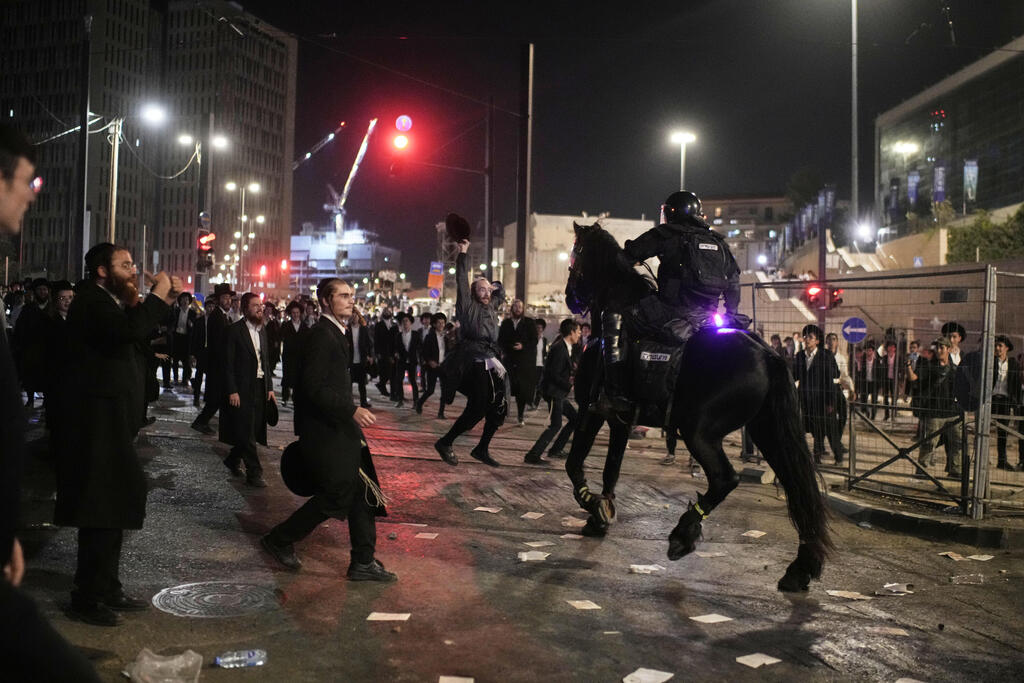
Ultra-Orthodox anti-draft protest
(Photo: AP Photo/Leo Correa)
The IDF said it plans to provide reservists with at least two months’ notice before their next call-up. The military is now finalizing its deployment plan for 2026, which is expected to be the first full year of postwar operations. There will be no changes for reservists already scheduled to serve in December, January or likely February, officials said.
If the current calm continues and large-scale fighting does not resume, the IDF intends to call up reservists next year for only one extended deployment of about two to three months, including leave periods. That plan, originally agreed upon for 2025, was delayed when the government decided to continue operations in Gaza.
In recent weeks, the Operations Directorate has also reviewed the deployment of thousands of reservists serving in territorial defense roles in the West Bank and Jordan Valley. Many of those forces are now being replaced by local civilian rapid-response teams, which the military said have been strengthened and reequipped since Oct. 7 with additional training and heavier weapons.
The reduction amounts to several thousand reservists being released from duty starting this month.
“We remain fully deployed across all sectors for defense and ready to respond to any sudden, multi-front escalation,” the IDF said in a statement. “The adjustments will restore some normalcy for reservists, who will continue to serve next year. No battalion is being released ahead of schedule, but more regular forces will now take their place.”