


The United Arab Emirates' defense ministry said on Tuesday that its air defenses were dealing with missile and drone attacks from Iran, a second day of attacks after four weeks of relative calm since the United States announced a ceasefire.
The Gulf Arab state's foreign ministry said in a statement that the attacks were a serious escalation and posed a direct threat to the state's security, adding that the UAE reserved its "full and legitimate right" to respond.
US Chief of Staff: Iran's attacks - below the threshold of renewing war


On Monday evening, the UAE had said its air defenses were engaging missile and drone threats as firefighters battled a blaze at a major oil industry zone following a drone attack that authorities said had originated from Iran.
The renewed strike follows a day of heavy activity in the region. The UAE said that on Monday Iran fired 12 ballistic missiles, three cruise missiles and four drones toward its territory. One missile reportedly fell into the sea and a fire broke out at an oil facility in Fujairah after a drone strike. Three Indian nationals were injured in that incident.
Oman also reported Monday that a residential building was struck, leaving two people injured.
In a briefing earlier Tuesday, U.S. Joint Chiefs of Staff Chairman Gen. Dan Caine said the Iranian attacks on the UAE and Oman in response to a new U.S. operation in the Strait of Hormuz, dubbed “Project Freedom,” remained “below the threshold” that would justify a return to war. He said the U.S. military is prepared for any escalation if President Donald Trump decides to act.
U.S. officials have said American forces are escorting commercial vessels through the Strait of Hormuz amid rising tensions. Iran has claimed it struck a U.S. destroyer, while the U.S. military said no American ships were hit and that two merchant vessels successfully crossed the strait under U.S. Central Command protection. Tehran, meanwhile, has insisted its blockade of the waterway remains intact and said no vessels have crossed it.
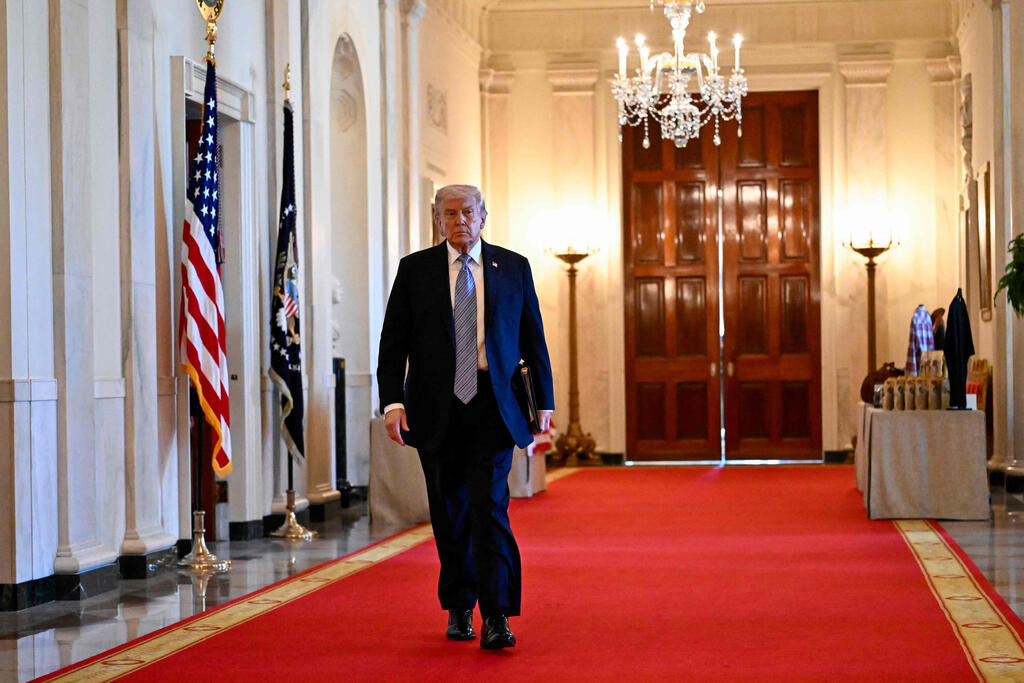
US President Donald Trump
(Photo: Kent NISHIMURA / AFP)
CNN reported that an Israeli air defense system deployed in the UAE intercepted some of the missiles fired in recent waves, which were launched in multiple salvos, citing people familiar with the matter.
President Donald Trump, in an interview with Fox News, warned that if Iran attacks American ships escorting vessels through the Strait of Hormuz, it will be “blown off the face of the Earth.” He also said the U.S. military presence in the Gulf is being strengthened and described Iran as more flexible in negotiations.
In a separate overnight interview, Trump did not rule out a return to war but said he was not eager for it, adding, “We either make the right deal or we win very easily.” He said, “From the military standpoint, we've already won that,” claiming Iran had 159 ships and now has none, and said time pressure is not a factor for Washington.
CNN also reported Tuesday that Israel and the United States are coordinating a potential new round of strikes on Iran that would focus on energy infrastructure and senior figures in the Iranian government, according to a person familiar with the matter. The aim, the report said, is to increase pressure on Tehran to make concessions in negotiations.
Iranian firing at American ships
The source said any decision to resume fighting rests with Trump, adding that the president has been frustrated by stalled talks and difficulties related to access to the Strait of Hormuz, though he has also signaled reluctance to re-engage in a large-scale war.
An Israeli official told CNN that the Iranian strikes on the UAE and Oman have accelerated preparations for a possible renewal of hostilities. The official said Prime Minister Benjamin Netanyahu has held restricted security consultations in recent days and instructed ministers not to speak publicly about the situation.