

“Turkey understood the message and stopped the move — but it is unclear for how long,” a senior Israeli official said Monday, a week after the strike on the Abu al-Duhur Air Base near Idlib in Syria. According to the official, after diplomatic efforts failed to prevent Ankara’s attempt to establish a presence in the area, which he described as a “red line,” the decision was made to strike — with the full backing of the military echelon: “It presented the most militant position possible.”
Gallery
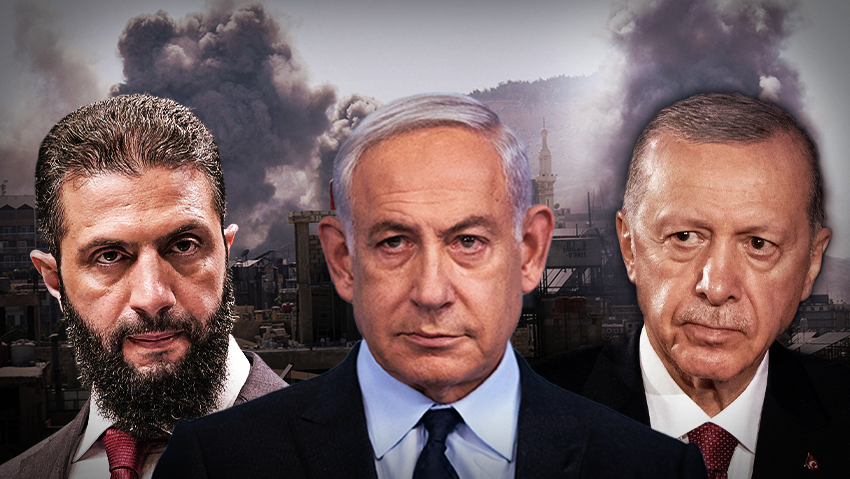
Al-Sharaa, Netanyahu, Erdogan
(Photo: Alex Kolomoisky, Mehmet Ali Ozcan/Anadolu via AFP, Andrew Harnik Getty Images North America, AFP, Khalil Ashawi/Reuters)
The official also addressed reports that Turkey intended to deploy systems in the Abu al-Duhur area. He declined to specify exactly what Ankara sought to place there, but said they were “real and significant things that must not be there,” because they could restrict Israel’s freedom of action and create a precedent for such a Turkish presence in Syria. The official assessed that Turkey could become a threat in the long term, but stressed: “I don’t see a war with it tomorrow morning.”
‘Works with everyone — fights everyone’
On the Syria front, the official said Israel seeks to prevent a significant military buildup in the south of the country and any harm to the Israeli Air Force’s freedom of action in Syrian airspace. At the same time, Israel wants to continue working with the Druze in the Suwayda area and preserve international legitimacy for its actions.
He stressed that Israel cannot allow the new Syria to build military capabilities that could endanger it. “We have an enemy. It is clear to us that it is an enemy in the medium and long term. We need to prevent it from building capabilities,” he said.
The airfield before and after the strike:
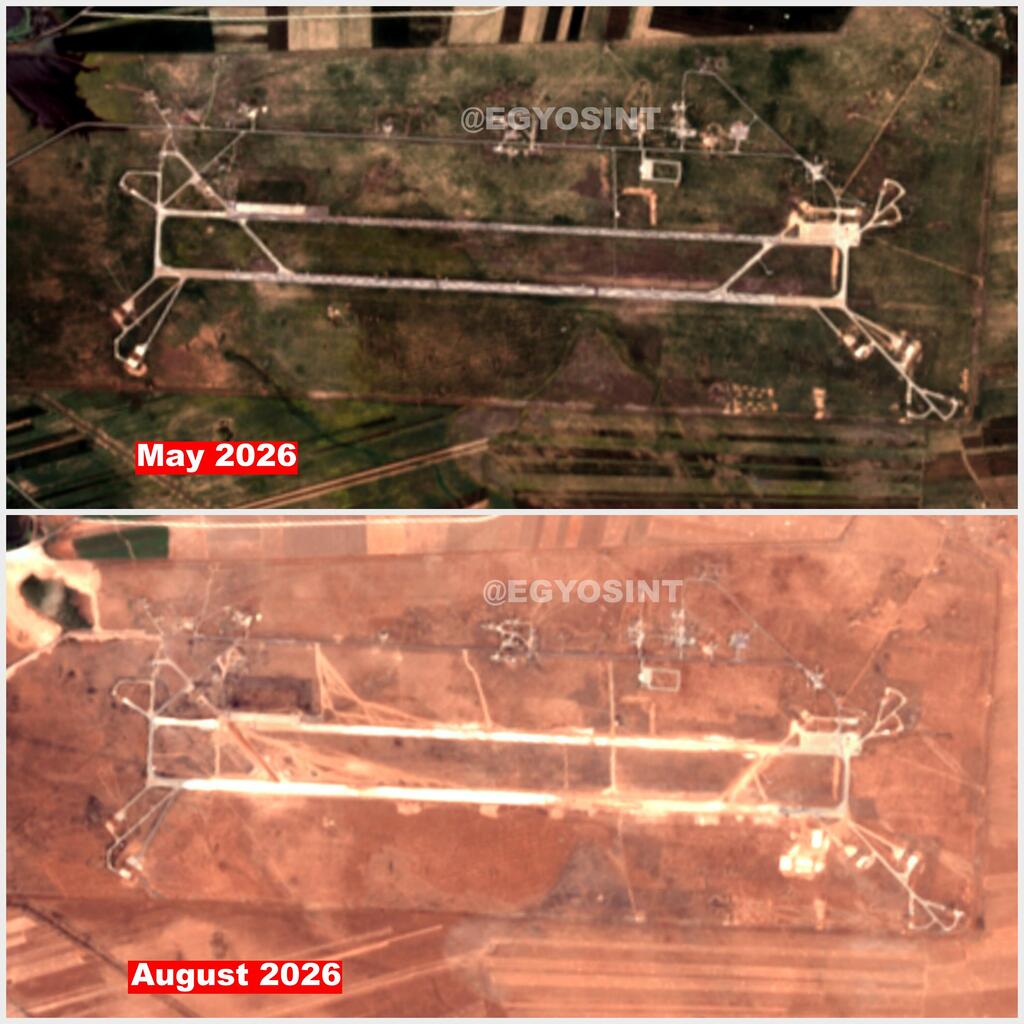
Documentation of the damage following Israeli airstrikes at the Abu al-Duhur Air Force Base in northwestern Syria
(Photo: X social media platform)
According to the official, Jerusalem is indeed engaging Damascus through diplomatic channels as well — including the meeting between Mossad chief Roman Gofman and the Syrian foreign minister — but at the same time does not hesitate to use military force when necessary. He described this policy as “quantum diplomacy,” inspired by U.S. President Donald Trump.
“It’s not zero or one,” he said. “The world was always divided into whether you are with me or against me — and Trump plays across the entire field. He works with everyone and fights everyone.”
Europe has legitimized al-Sharaa
“The Assad regime fell, but on the other hand now there is al-Qaida,” the official said. According to him, the main challenge is Syrian President Ahmed al-Sharaa’s success in establishing his standing on the international stage, especially with U.S. President Donald Trump.
The official also criticized U.S. Ambassador Tom Barrack, who he said “is doing a lot of work for him and causing us significant damage.”
According to the official, Europe is undergoing “a process of legitimizing” al-Sharaa, partly because of the desire to enable the return of Syrian refugees. As for al-Sharaa’s relations with Turkey, he argued that despite the public backing, the relationship is not based on deep trust because of conflicting regional ambitions.
“Erdogan wants to be Saladin, and Jolani wants to be Saladin.”