

Facing weak poll numbers and growing pressure at home to end the war, U.S. President Donald Trump has chosen a new strategy against Iran: a prolonged blockade designed to crush its economy and force it to surrender on the nuclear issue.
According to a Wall Street Journal report citing U.S. officials, Trump has ordered his aides to prepare for an extended blockade of Iran, including continued restrictions on ship traffic to and from its ports. In recent meetings, including a Situation Room discussion Monday, the president concluded that the alternatives available to him, renewing strikes or withdrawing from the conflict, carry greater risks than maintaining the current pressure.
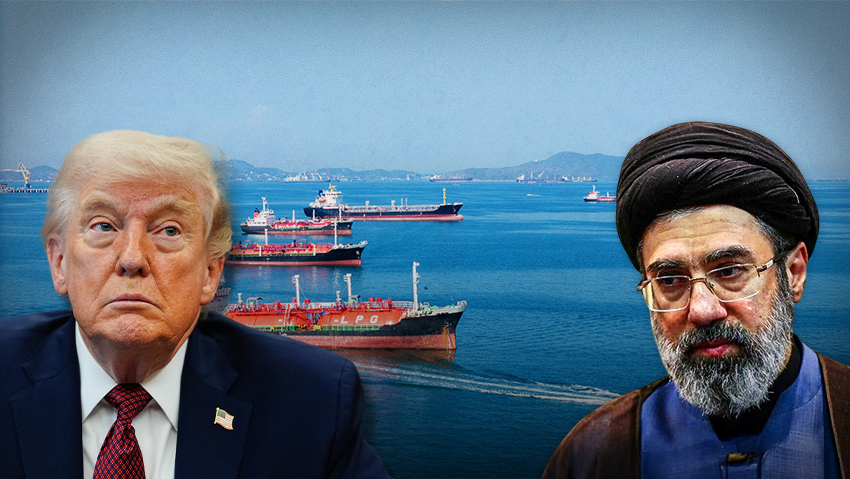
In effect, Trump is choosing a state of stalemate and hoping Iran collapses first. His bet is that Tehran will “break” and agree to concessions before the global economy buckles under the oil crisis caused by the closure of the Strait of Hormuz.
But the strategy comes with heavy costs. The prolonged crisis has already raised global fuel prices, damaged Trump in the polls and put pressure on Republicans ahead of the midterm elections. Although Washington says it is blocking only Iranian ports, the blockade has led to the lowest level of traffic through Hormuz since the war began two months ago.
Since declaring a ceasefire on April 7, Trump has not appeared eager to restart the war. After threatening to destroy Iranian civilization, he has repeatedly chosen diplomacy. At the same time, he has continued to intensify economic pressure on Tehran in an attempt to force the regime to accept his central demand: dismantling its nuclear program.
According to the Journal, Trump told aides this week that Iran’s three-stage proposal to reopen the Strait of Hormuz and postpone nuclear talks until a later stage showed Tehran was not negotiating in good faith. For now, the president is signaling that he is comfortable with an open-ended blockade. On Tuesday, he wrote on Truth Social that he was pushing Iran into a “state of collapse.”
(Photo: X)
Iran’s oil industry may eventually run out of storage space for the crude it is struggling to export, mainly to China. Such a scenario could force Tehran to shut down production at some wells, a move that could cause long-term damage. A senior U.S. official told the Journal that the blockade is already crushing Iran’s economy and that its difficulty storing unsold oil helped push it back to Washington with a new proposal.
Trump’s decision reflects a new phase in the war and highlights a problem for a president who usually seeks quick, marketable victories: There is no magic solution.
A unilateral halt to the fighting would ease the global economic pressure, but would allow Iran to dictate the terms. Renewed strikes could weaken Iran further, but would likely prompt Tehran to retaliate with more attacks on energy infrastructure in the Gulf, increasing the cost of the war.
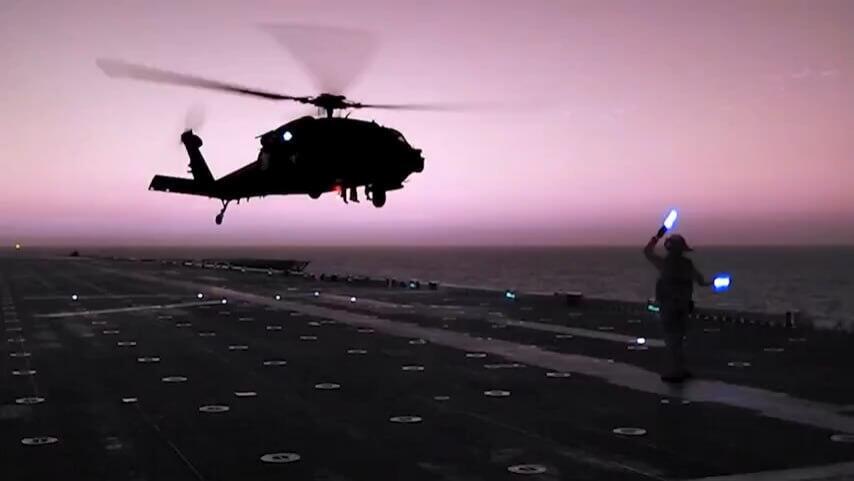
The blockade, by contrast, reduces the Islamic Republic’s sources of funding while avoiding a return to full-scale fighting. But it also requires a prolonged U.S. military presence in the Middle East and offers no guarantee that Iran will eventually give in.
U.S. officials said the absence of a clear path to victory has led some in the administration to believe the war could end without a nuclear agreement and without renewed strikes. Trump, meanwhile, is receiving conflicting advice. Some advisers are urging him to keep the pressure on Tehran, while others, including business figures close to the president, fear that a prolonged closure of Hormuz or additional strikes could further damage the economy and become politically disastrous ahead of the midterms.
Officials told the Journal that this concern shaped Trump’s response to Iran’s proposal. Although the offer had major flaws, it also gave him a possible way out of the war. But Trump and his national security team concluded that accepting it would weaken Washington’s leverage as it seeks nuclear concessions from Tehran.
(Photo: Majid Asgaripour/WANA (West Asia News Agency) via REUTERS)
At this stage, Trump is not prepared to abandon his demand that Iran commit to suspending uranium enrichment for at least 20 years and accept limits even after that period.
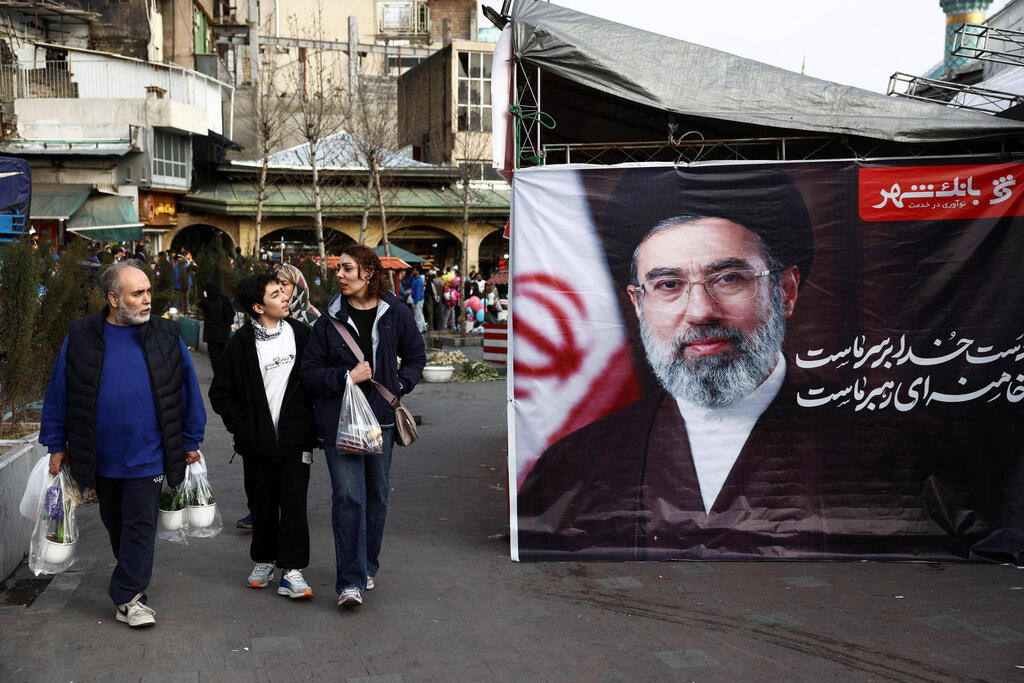
Despite White House expectations that talks between the United States and Iran would resume in Pakistan last weekend, negotiations remain stuck. Officials familiar with the matter said Iran told mediators this week that it needed several days to consult with Supreme Leader Mojtaba Khamenei before presenting an updated proposal that could move the talks forward.
Mediators, however, are skeptical that Iran’s revised offer will produce a breakthrough. Iranian officials continue to say Washington must drop its excessive demands, while Tehran maintains its own pressure in Hormuz.
Trump administration officials understand that Iran may try to disrupt the current balance if the blockade drags on. The heavier the pressure becomes, the more likely Tehran may be to force Washington to choose between escalation and withdrawal with an agreement. Iran could resume attacks on energy facilities in the region or try to target U.S. naval forces enforcing the blockade.
For now, Trump is staying with the blockade. It is not a victory, and it is not an exit. It is a bet that Iran’s economy will collapse before his own political position does.