

The third round of negotiations between the United States and Iran concluded Thursday in Geneva with statements of optimism from both sides and from Omani mediators.
At the same time, the United States continues to build up significant military forces in the Middle East to increase pressure on Tehran and ensure readiness for a strike if talks fail. In Washington, an internal debate has intensified in recent days over whether to attack Iran or continue buying time in an effort to exhaust the diplomatic track.
Gallery
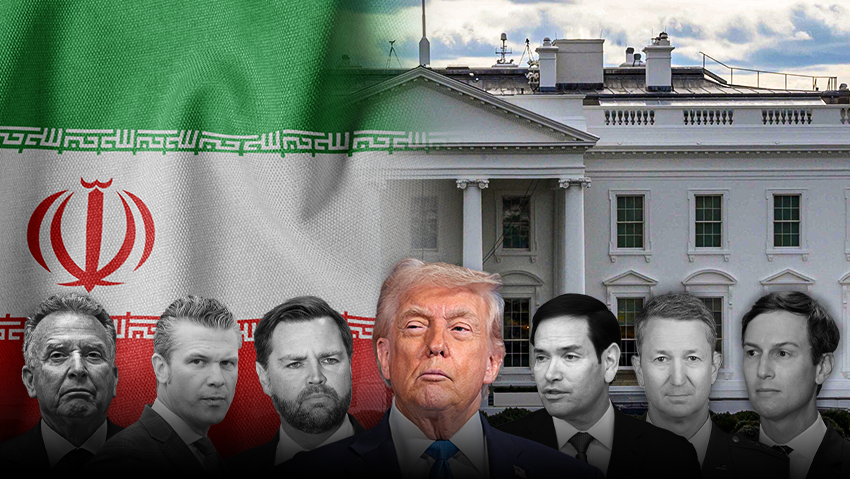
Trump’s inner circle divided
(Photo: US Air Force via AP; Stringer, Getty Images; Fadel Senna, AFP; Loic Venance, AFP; Jonathan Ernst, Reuters; Brendan Smialowski, AFP; Fadel Senna, AFP Pool; Ammar Awad, Reuters; Evelyn Hockstein, Reuters)
Within President Donald Trump’s inner circle, there is no unified line. Some senior officials speak of a narrowing window of opportunity and say “additional tools are on the table,” while others warn of prolonged entanglement and a high American cost.
Here is the current picture, based on public statements and media reports.
Trump prefers a deal but keeps military option open
Trump has projected a dual message. On the one hand, he presents a preference for a diplomatic solution. On the other hand, he appears to be laying the groundwork for possible military action and stresses that he will not allow Iran to obtain a nuclear weapon.


Reports on internal deliberations suggest he listens to a range of views and at times appears inclined toward a strike, even as he agrees to give diplomacy more time.
In his State of the Union address this week, Trump said he has yet to hear Iran declare that it will “never” pursue a nuclear weapon and hinted at alternatives. He asserted that Iran is developing missiles capable of reaching the United States, a statement that could be interpreted as preparing public justification for a potential strike.
“They have already developed missiles that can threaten Europe and our bases overseas, and they are working on building missiles that will soon reach the United States of America,” he said.
“My preference is to solve this problem through diplomacy,” Trump added. “But one thing is certain, I will never allow the world’s number one state sponsor of terror to have a nuclear weapon. It cannot happen. No nation should doubt our resolve. We have the strongest military in the world.”
Witkoff and Kushner lead diplomatic push
Steve Witkoff and Jared Kushner, who are leading the talks with Iranian Foreign Minister Abbas Araghchi, are described as the clearest voices against immediate military action.
According to reports, Witkoff told a closed-door meeting that any future agreement must be valid “without time limits” and that key disputes include uranium enrichment and Iran’s stockpile of enriched material.
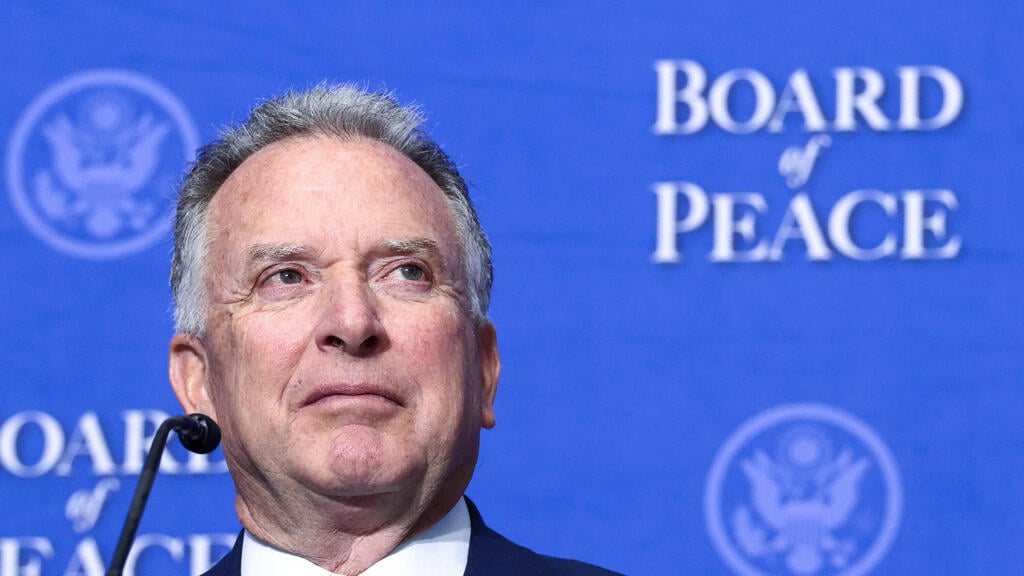
Steve Witkoff
(Photo: Kevin Lamarque/ Reuters)
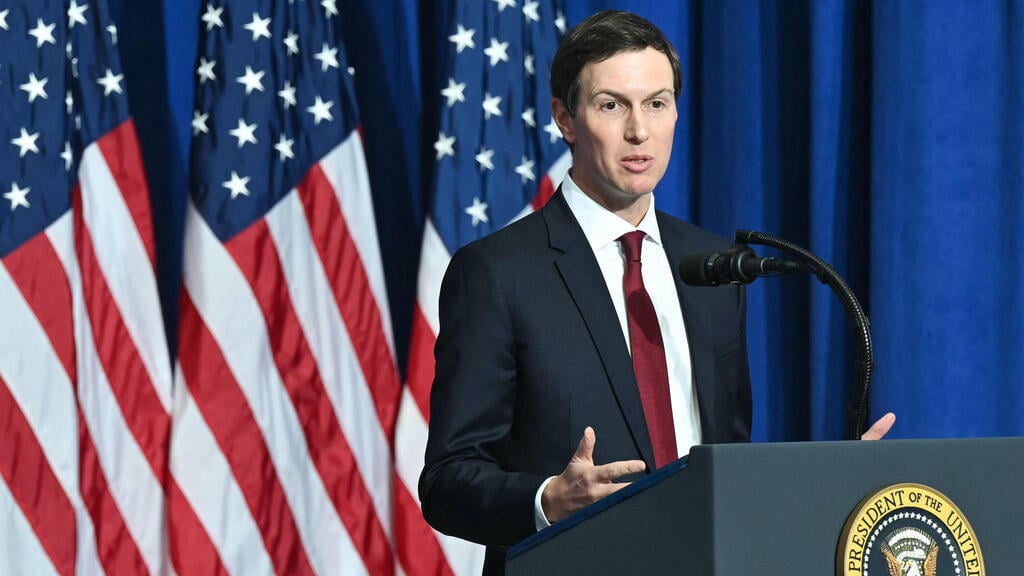
Jared Kushner
(Photo: Chip Somodevilla, Getty Images North America, AFP)
Kushner reportedly advised Trump to delay military action until after the Geneva talks, arguing that “time works in America’s favor” and that additional concessions can be extracted from Iran through pressure. Both believe that sanctions, military presence and the demonstrated capability to strike have strengthened Washington’s position, and that diplomacy has not yet run its course. At the same time, they have encouraged setting a clear exit point if momentum stalls.
In a recent interview with Fox News, Witkoff said Trump is “curious” why Iran has not capitulated despite the massive U.S. military buildup in the region. “I wouldn’t use the word frustrated,” he said, “because he knows he has many alternatives.”
Vice President Vance: avoid past mistakes, but not paralysis
Vice President JD Vance reflects the administration’s dual message. Reports describe him as raising questions in internal discussions about the risks and complexity of a strike on Iran, without explicitly opposing it.
He has said the objective is clear, preventing Iran from acquiring a nuclear weapon, and that the president will try to achieve that diplomatically, but “has other tools” and has shown willingness to use them.
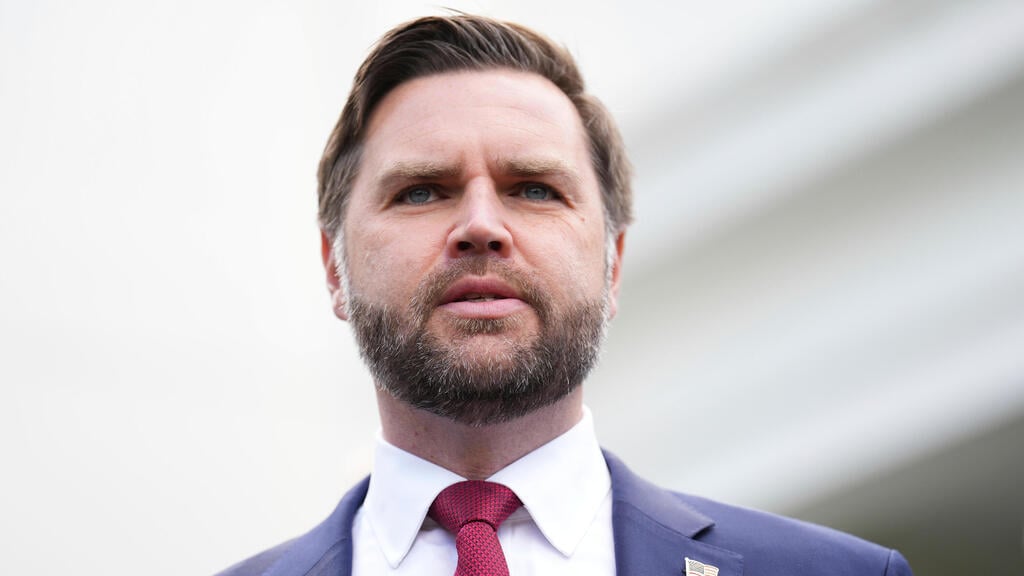
Vice President JD Vance
(Photo: Jacquelyn Martin/AP)
Overnight, Vance said the United States must avoid “mistakes of the past” and rejected the idea of an endless Middle East war. At the same time, he warned against overlearning from past conflicts, saying that one failed military intervention does not mean the United States can never engage in one again.
Vance described himself as skeptical of foreign military interventions and said the administration prefers a diplomatic option, but that “it really depends on what the Iranians do and say.”
When asked whether there is evidence Iran is attempting to rebuild its nuclear program, he replied that if it tries to do so, “that creates problems for us,” adding that the United States has seen indications of such efforts.
He also pushed back against talk of regime change. “If the Iranian people want to overthrow their regime, that is up to them,” he said. “What we are focused on right now is that Iran cannot have a nuclear weapon.”
Gen. Dan Caine: a cautious military voice
Gen. Dan Caine, chairman of the Joint Chiefs of Staff and Trump’s top military adviser, is seen as the most cautious voice within the administration. He has reportedly presented Trump with a clear risk scenario, warning that a strike could escalate into a prolonged confrontation involving American casualties and difficulty defining success.
He is not described as pushing for action, but neither is he opposing it if ordered. Some officials have referred to him as a reluctant warrior on Iran.
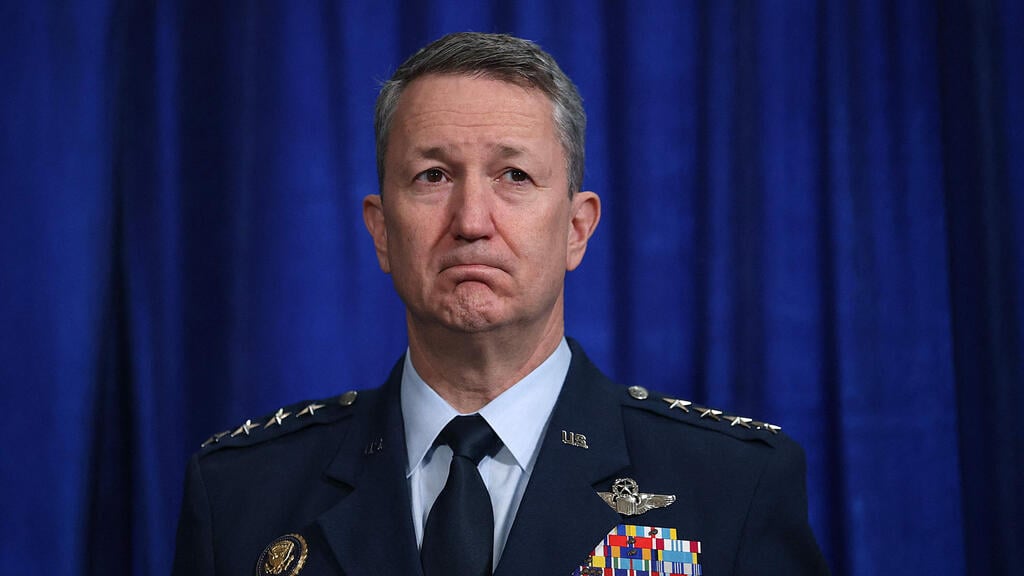
Gen. Dan Caine, chairman of the Joint Chiefs of Staff
(Photo: Joe Raedle, Getty Images North America, AFP)
The Washington Post reported that Caine warned of shortages in critical munitions. Trump later dismissed reports that Caine had warned against strike plans, though he did not deny that caution was expressed in internal discussions.
According to The New York Times, Caine and CIA Director John Ratcliffe have presented operational options and intelligence assessments, but discussions have focused more on tactics than on a broader strategy that has yet to be fully defined.
CNN reported that during an extended Situation Room meeting last week, Caine could not predict the outcome of a regime-change operation, according to sources.
Secretary of State Rubio: on the fence
Secretary of State Marco Rubio, who is also serving as national security adviser, is described as sitting on the fence in discussions over a strike, neither leading a push for military action nor advocating firmly against it.
Publicly, Rubio has emphasized the Iranian threat, including ballistic missiles and risks to American interests, while warning Tehran not to target the United States.
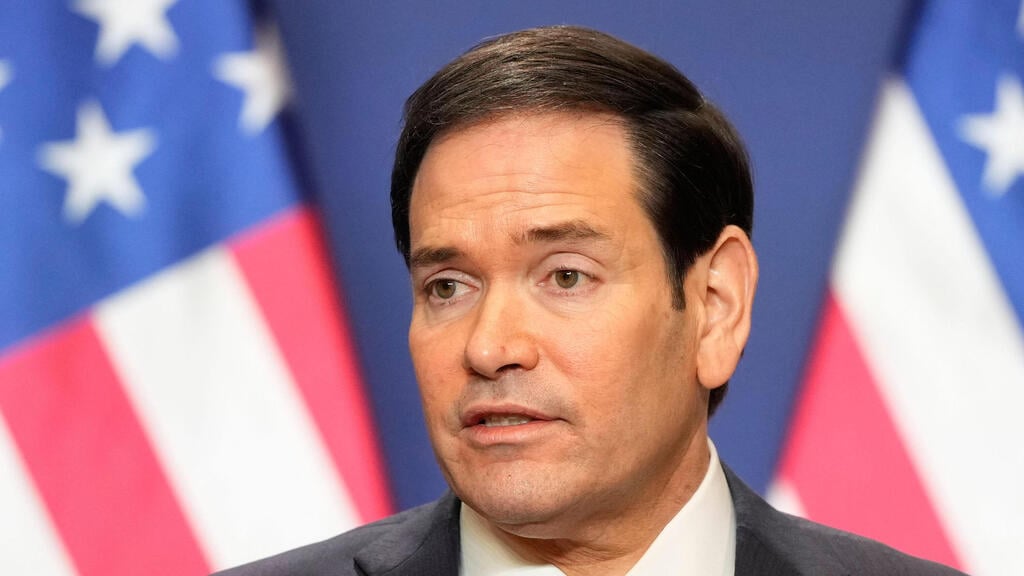
Secretary of State Marco Rubio
(Photo: Alex Brandon/ AFP)
On Wednesday, Rubio declined to speculate how close Iran is to developing an intercontinental ballistic missile, but said Tehran is clearly trying to expand the range of its missile arsenal.
On ballistic missiles, he was more direct. “Iran’s refusal to discuss ballistic missiles is a very big problem,” he said, noting that 30,000 to 40,000 American troops are stationed at eight or nine facilities in the region, all within range of Iranian weapons.
Defense Secretary Hegseth: all options on the table
Defense Secretary Pete Hegseth has spoken little publicly about Iran. When he has, he has not declared himself in favor of war but emphasized that the military’s role is to present options.
“Our job is to present options. Everything is on the table. It’s the president’s decision,” he said this week. His public message has focused on operational readiness while awaiting political decisions.
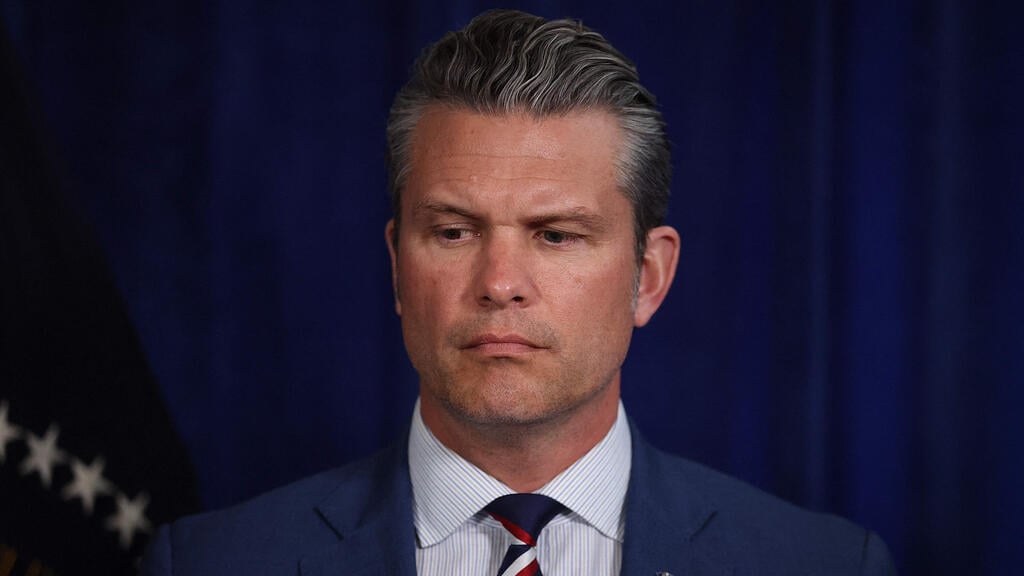
Defense Secretary Pete Hegseth
(Photo: Joe Raedle, Getty Images North America, AFP)
CIA Director Ratcliffe: public silence, operational role
CIA Director John Ratcliffe, known for a hawkish view on Iran, has largely refrained from public commentary, separating his role from overt policy advocacy.
His joint briefing with Rubio to bipartisan congressional leaders drew attention, as CIA directors rarely appear alongside the Secretary of State in such settings. According to The New York Times, Ratcliffe provided intelligence assessments and operational options, but the discussions remained tactical.
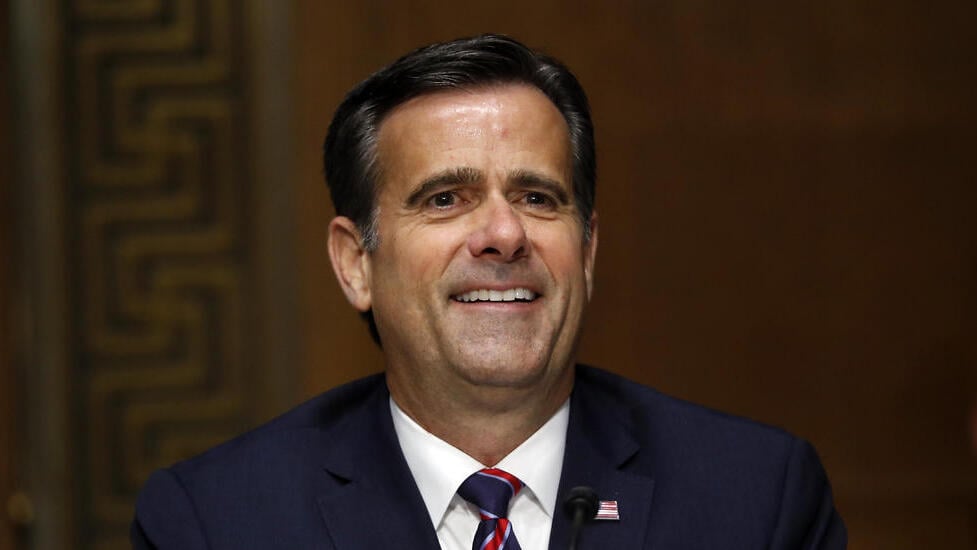
CIA Director John Ratcliffe
(Photo: AP)
The CIA also released a video in Persian this week, urging Iranians to contact the agency and providing instructions for secure communication, including the use of burner phones and anonymous browsing, a move interpreted as both deterrent messaging and operational outreach.
As the military buildup continues and talks remain inconclusive, the debate inside Washington reflects a broader uncertainty: whether pressure will yield a deal, or whether the United States is edging closer to a strike on Iran.