


Two days after the release of kidnapped Israeli-American soldier Edan Alexander, his aunt Sharon Ben-Baruch Senior revealed new details about his 584-day captivity in Gaza.
Speaking on Wednesday, Ben-Baruch Senior described the inhumane conditions Alexander endured. “He drank murky water and wasn’t exposed to daylight,” she said. “The daily fear and uncertainty — of not knowing if your family will ever get you back — is unbearable. It’s hard to feel at peace when your fate depends on people who choose war over rescuing their own.”
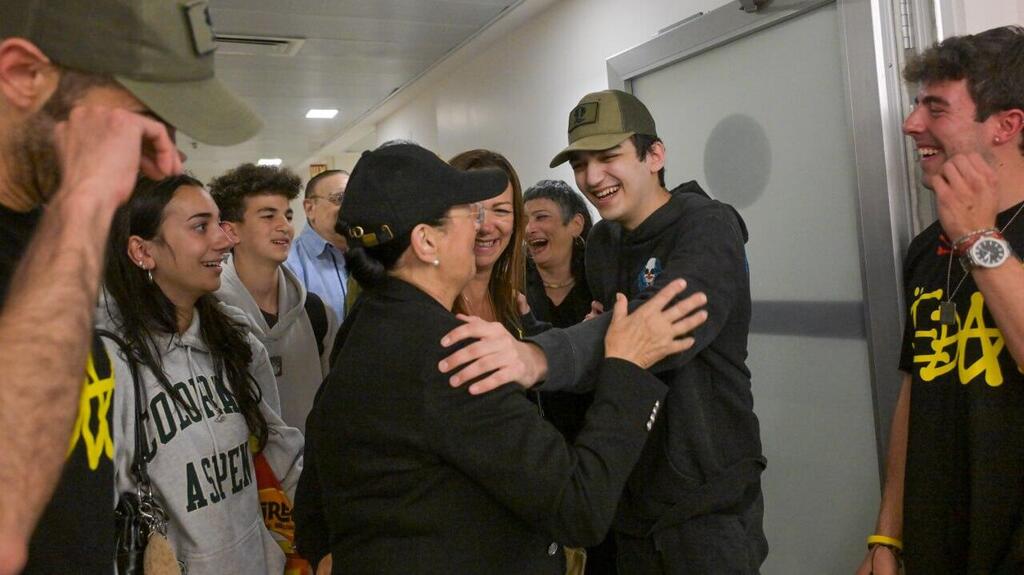
Edan Alexander's reunion with family in Israel
(Video: IDF Spokesperson's Unit)


She said their first meeting after his return was emotional. “He jumped on me and said he’d seen me in the videos holding his sign — that made me so happy. We hugged and I couldn’t stop kissing him. It was a different kind of hug, a special one. Ever since, we keep hugging like that. It’s warm and good.”
Ben-Baruch Senior added that Alexander’s health had been affected by captivity. “He usually drank filthy water,” she said. “When he drank Coke after his release, all the sugar hit him at once — it was uncomfortable.”
According to her, Alexander said his conditions slightly improved after Donald Trump was elected U.S. president. “Once Trump came in, they moved him to a room in the tunnels and things got a little better. From the moment people started talking about him, they gave him more food so he could gain weight,” she said.
Alexander was held for a significant portion of his captivity alongside senior Hamas officials, according to people who spoke with him in recent days. Israeli officials believe Hamas used him as a human shield to keep him away from areas likely to be targeted in airstrikes and also positioned him near top leaders to reduce the risk of accidental harm — given his U.S. citizenship.
In the early stages of his captivity, Alexander was subjected to severe abuse. He was kept with a bag over his head, beaten, starved and endured both physical and psychological torture. Later, he was moved to an “upgraded tunnel” typically reserved for senior Hamas figures, marking a new phase in his imprisonment.
That transfer occurred shortly after Donald Trump was elected U.S. president. Israeli defense sources believe the timing was not coincidental. The U.S. had sent a strong warning to Hamas — via Qatar — that any harm to American citizens would cross a red line. That message is believed to have led to measures aimed at protecting Alexander’s life.
Ben-Baruch Senior added that he returned pale and thin due to prolonged lack of sunlight and suffered muscle loss. “At first, I didn’t recognize him. He joked that there was no gym down there to work out.” She also noted that Alexander now speaks fluent Arabic and watched Turkish soap operas while in captivity.
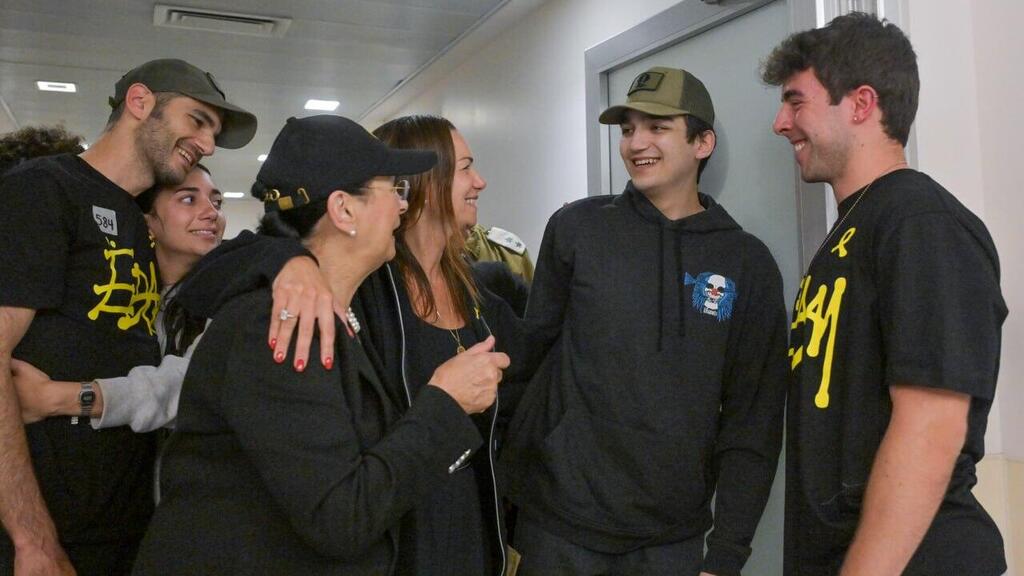
(Photo: IDF Spokesperson's Unit)
“He’s undergoing a lot of medical tests and is surrounded by people, but these first few days are tough. He needs quiet,” she said. “The Edani we knew came back different. A man who spent a year and a half underground, enduring things no one can imagine.”
She said he has no appetite yet but enjoyed eating salmon. “He spends a lot of time alone and wanted to be by himself today. These are intense days,” she added.
Get the Ynetnews app on your smartphone: Google Play: https://bit.ly/4eJ37pE | Apple App Store: https://bit.ly/3ZL7iNv
Ben-Baruch Senior also criticized Israeli leadership: “No hostage should be sacrificed for the sake of war. This narrative — that if we don’t destroy Hamas it will happen again — is meant to scare us. It’ll happen again if you don’t protect properly.
“After the first Hamas video showing Edan came out, [Benjamin] Netanyahu called and promised he was doing everything to bring him back. If that were true, he’d have already pushed forward a deal to bring Edan and the others home. It feels like the state is willing to sacrifice its people. Even those who voted for Bibi didn’t imagine this.”
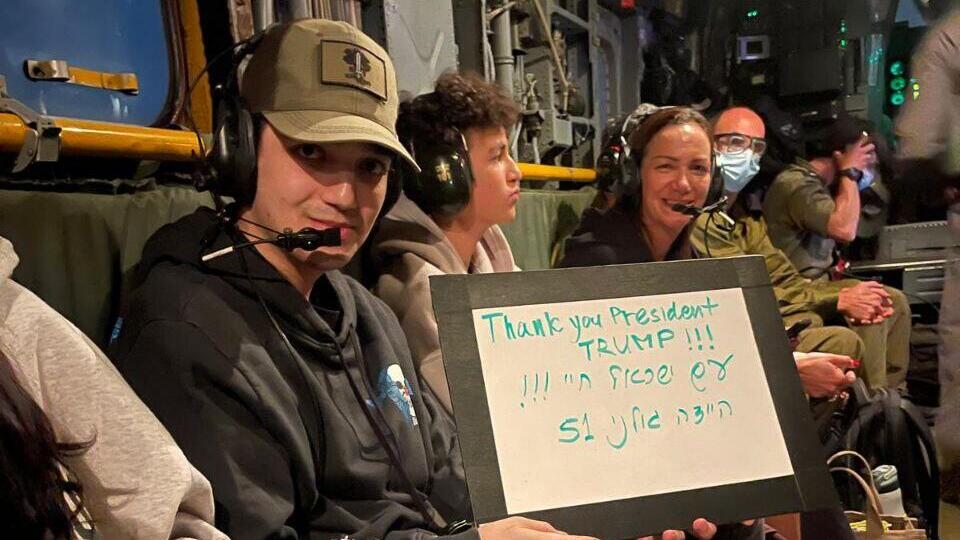
Edan Alexander after his release
Alexander, a dual U.S.-Israeli citizen, was released Monday after nearly 19 months in Hamas captivity. He was handed over without ceremony to Red Cross vehicles in Khan Younis, which then delivered him to Israeli forces.
According to the Prime Minister’s Office, the U.S. informed Israel in advance that Hamas intended to release Alexander “without conditions or concessions.” Washington reportedly told Israel the move was expected to pave the way for renewed negotiations under the original framework offered by Trump’s Mideast envoy Steve Witkoff — already accepted by Israel—for the release of remaining hostages.