


Prime Minister Benjamin Netanyahu is preparing to convene the first meeting of the ministerial committee tasked with defining the mandate of a government-appointed inquiry into the Oct. 7 failures, despite Justice Minister Yariv Levin being named to lead the forum three weeks ago.
Levin told Netanyahu at the time that he did not want to chair the committee and asked to be replaced — a request that, according to officials familiar with the matter, stemmed in part from ongoing tensions between the two. Netanyahu initially declined, but advisers now urge him either to lead the panel himself or appoint a close ally to do so.
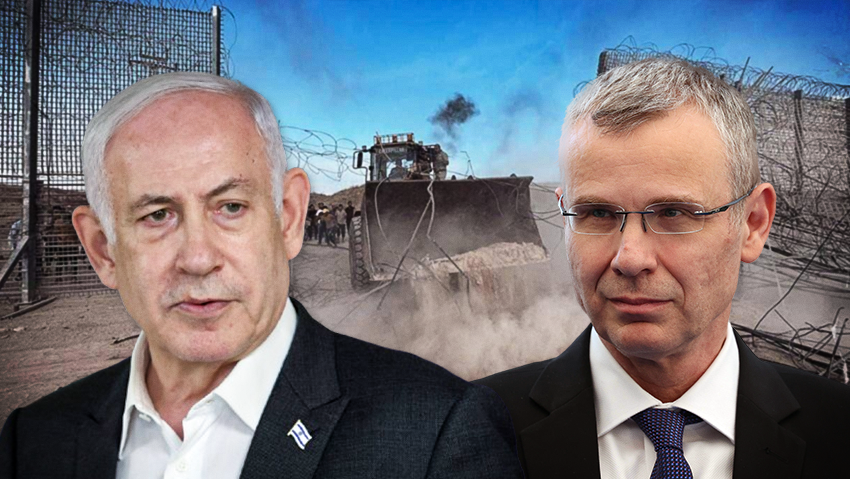
(Photo: Reuters, Amit Shaabi)
Given the political sensitivity, Netanyahu’s aides are pushing for several rapid meetings of the committee while legislation establishing the inquiry moves forward in the Knesset. Likud MK Ariel Kallner is expected to submit the bill in the coming days.
Some in the Prime Minister’s Office believe Netanyahu’s presence will ensure that ministers agree on parameters he supports, while helping reduce public backlash over the inquiry’s scope. Others warn his involvement could have the opposite effect and inflame criticism, especially from bereaved families and the wider public.
Nearly three weeks after the committee was formed, it has yet to meet. Ministers have instead held off-the-record consultations with security and legal officials. Under the government decision, the committee must present its recommendations within 45 days.
The ministers are expected to determine how far back the inquiry may investigate — with options ranging from going back to 2005’s disengagement to the 1993 Oslo accords, or allowing unlimited historical review. Several ministers also advocate examining external factors they argue contributed to Israel’s unpreparedness, including the Kaplan protest movement, media conduct, reservist refusals and decisions of the High Court of Justice.
Committee members are divided on whether the panel should issue personal findings against officials. Some Likud ministers argue that personal recommendations would stall the process for years, while others say an inquiry focused solely on uncovering facts may suffice because many key officials have already left their positions.
The committee includes Finance Minister Bezalel Smotrich and ministers Zeev Elkin, Amichai Chikli, Avi Dichter and Gila Gamliel, as well as Orit Strock and Amichai Eliyahu.