


For nearly two years, families of hostages held in Gaza have endured a rollercoaster of hope and despair amid ongoing negotiations. Recent preparations for expanded IDF operations in the region, coupled with the military’s claim that these actions pose no risk to the hostages, have failed to ease their anxiety.
On Saturday, the IDF issued an evacuation order for Deir al-Balah, an area previously untouched by ground operations, followed by reports of overnight strikes.

The six hostages murdered by Hamas in Gaza
(Photo: Courtesy)
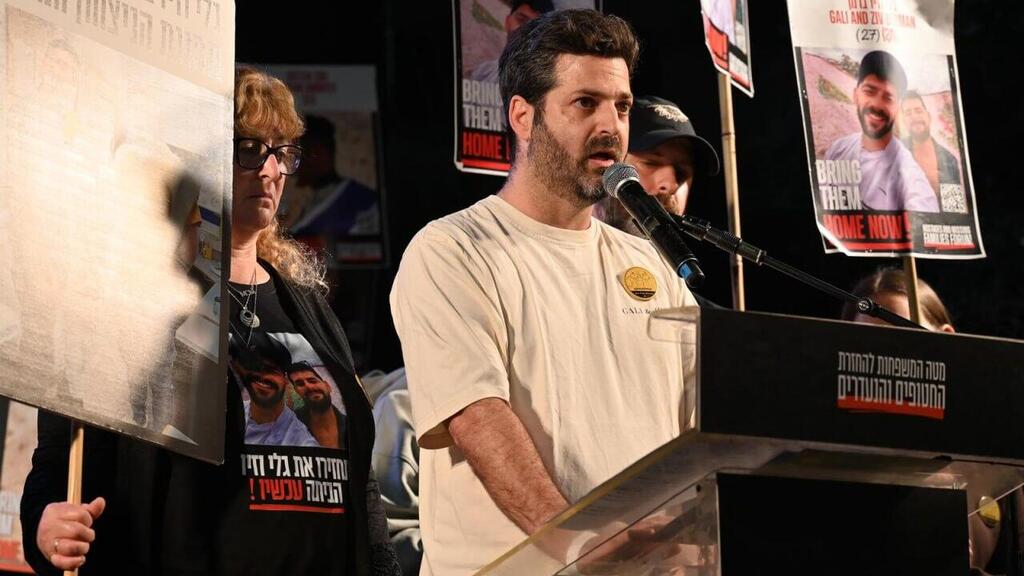
Liran Berman, whose brothers Gali and Ziv were abducted from Kfar Aza, described the emotional turmoil. “It’s a constant mix of feelings, especially since the last deal,” he said. “We’re seasoned in disappointment, so we don’t hold much hope, but there’s cautious optimism.
“Yet, there’s also deep fear—that the deal will collapse, that they won’t be included or that they’ll be separated. No one can assure us they’ll return together.” The escalation in fighting heightens concerns, especially after the murder of six hostages in captivity last August. “That fear is always there,” Berman said. “We’re nearing the anniversary of their ordeal, living with that dread every second.”
Berman stressed the need for public support, noting widespread backing for prioritizing the hostages’ release, even if it means halting the fighting. “Polls show most Israelis support bringing them home but we don’t see people in the streets,” he said. “We’re exhausted, running on fumes. This is a fight to save lives.”
Get the Ynetnews app on your smartphone: Google Play: https://bit.ly/4eJ37pE | Apple App Store: https://bit.ly/3ZL7iNv

Gil Dickman
(צילום: שלו שלום)
Liran Berman
(צילום: פאולינה פטימר)
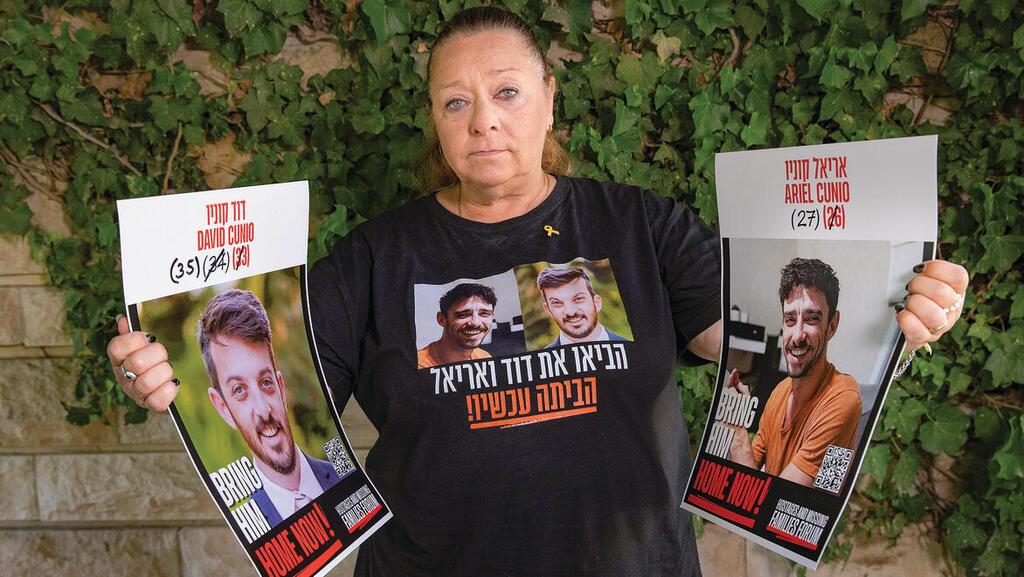
Silvia Cunio, whose sons David and Ariel were abducted from Kibbutz Nir Oz, shared the fear of their separation. “I can’t even think about it,” she said. “I just want them back together, hand in hand. We’re all waiting, broken. I feel their pain in my body—fear, hope, optimism, then fear and tears again. It’s unbearable.”
Frustrated by the ongoing war, she questioned its purpose. “Why are they fighting? For another patch of land, they leave soldiers to die,” she said. “Stop the war and bring my boys and all the hostages home, dead or alive. They abandoned us on October 7; they owe it to us.”
Gil Dickman, cousin of Carmel Gat, one of the six hostages murdered by Hamas, understands the terror of what intensified military action could bring. “This is exactly what happened last year,” he said.
“Negotiations were underway, then operations endangered hostages. Carmel’s case and the others are a stark warning. We can’t risk the hostages, especially now as a deal nears. We’ve told military officials—the writing’s on the wall. No one can say ‘we didn’t know’ later.”